English | Español
CODEX TELLERIANO-REMENSIS
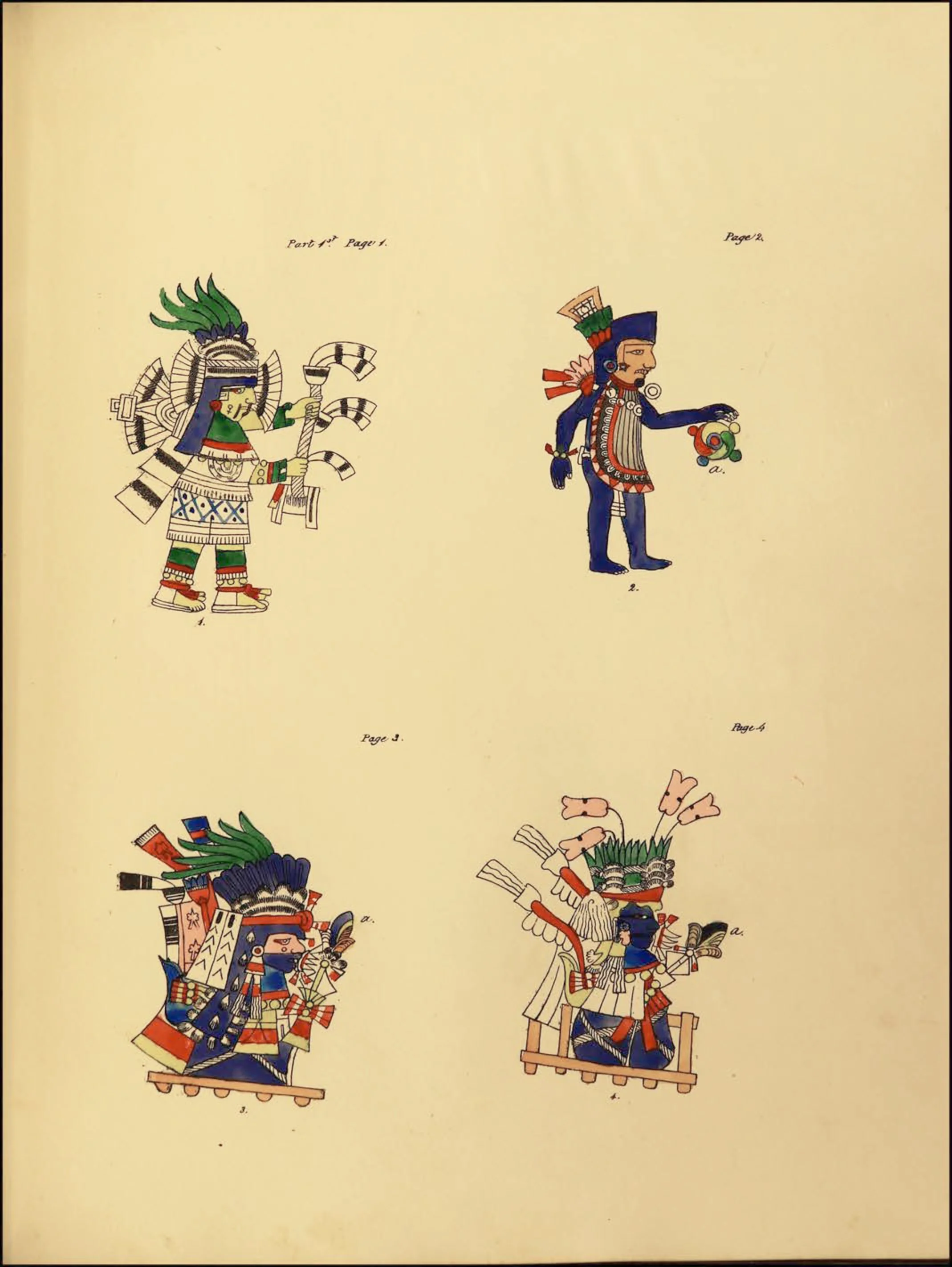
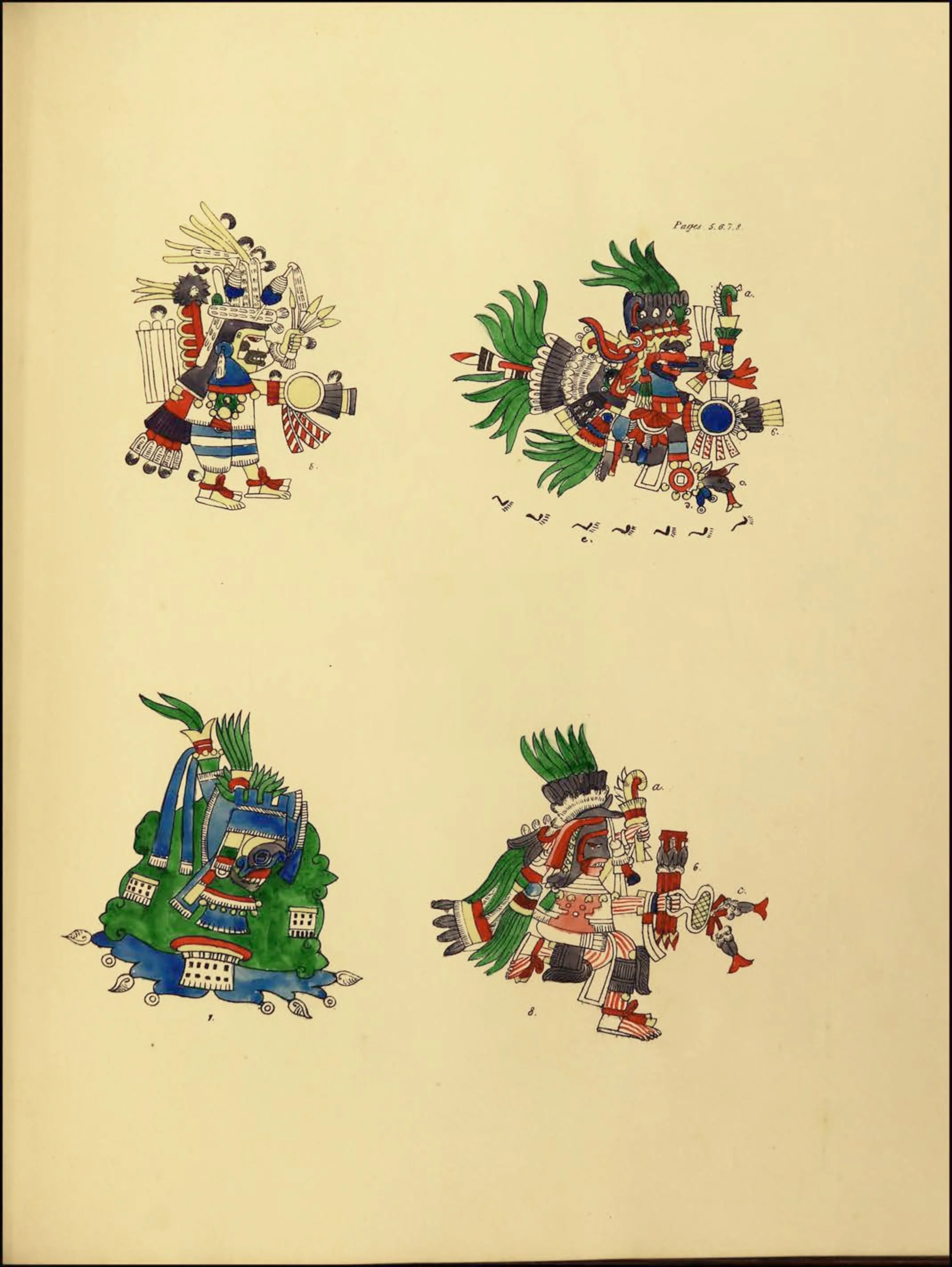
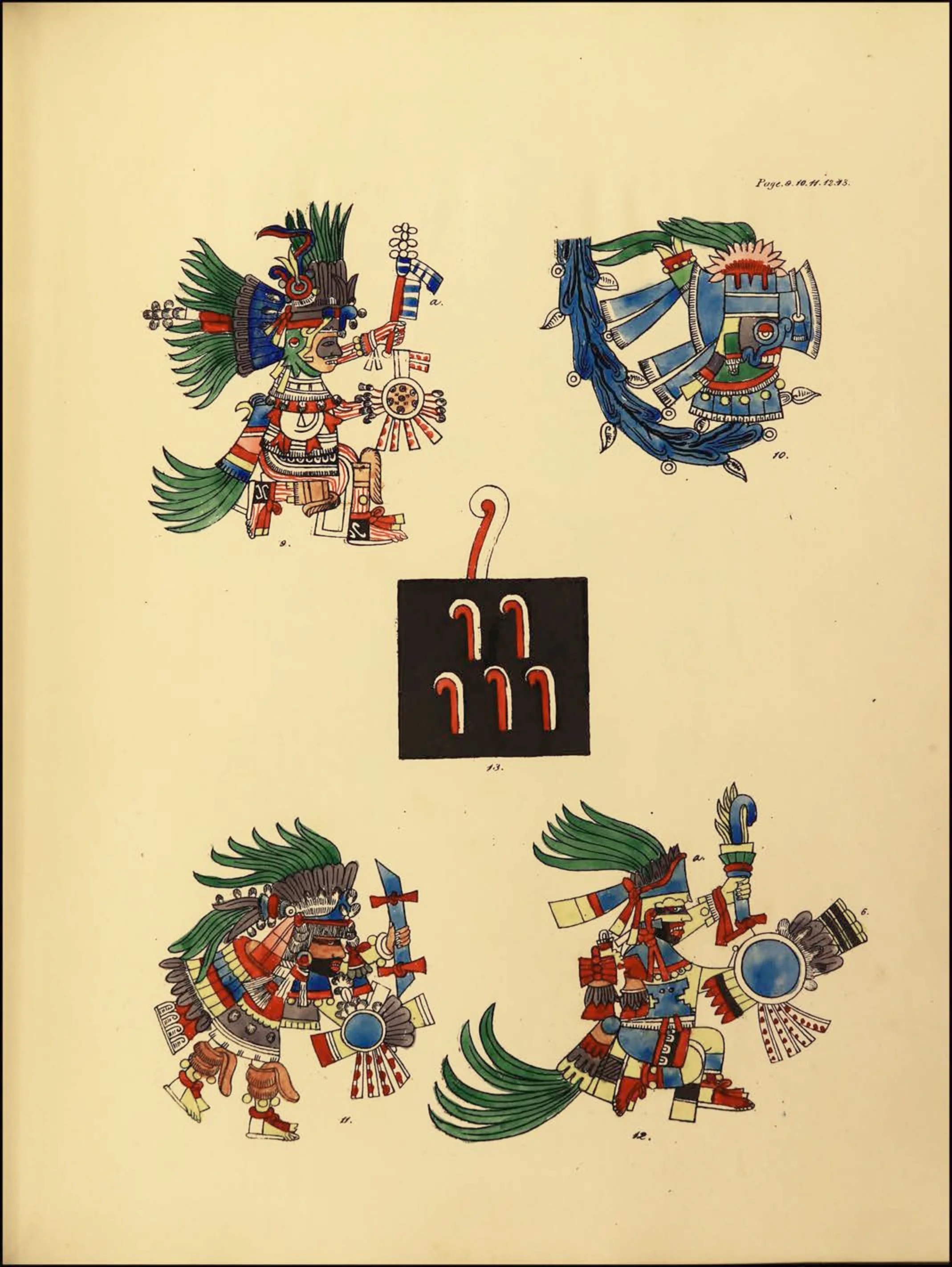
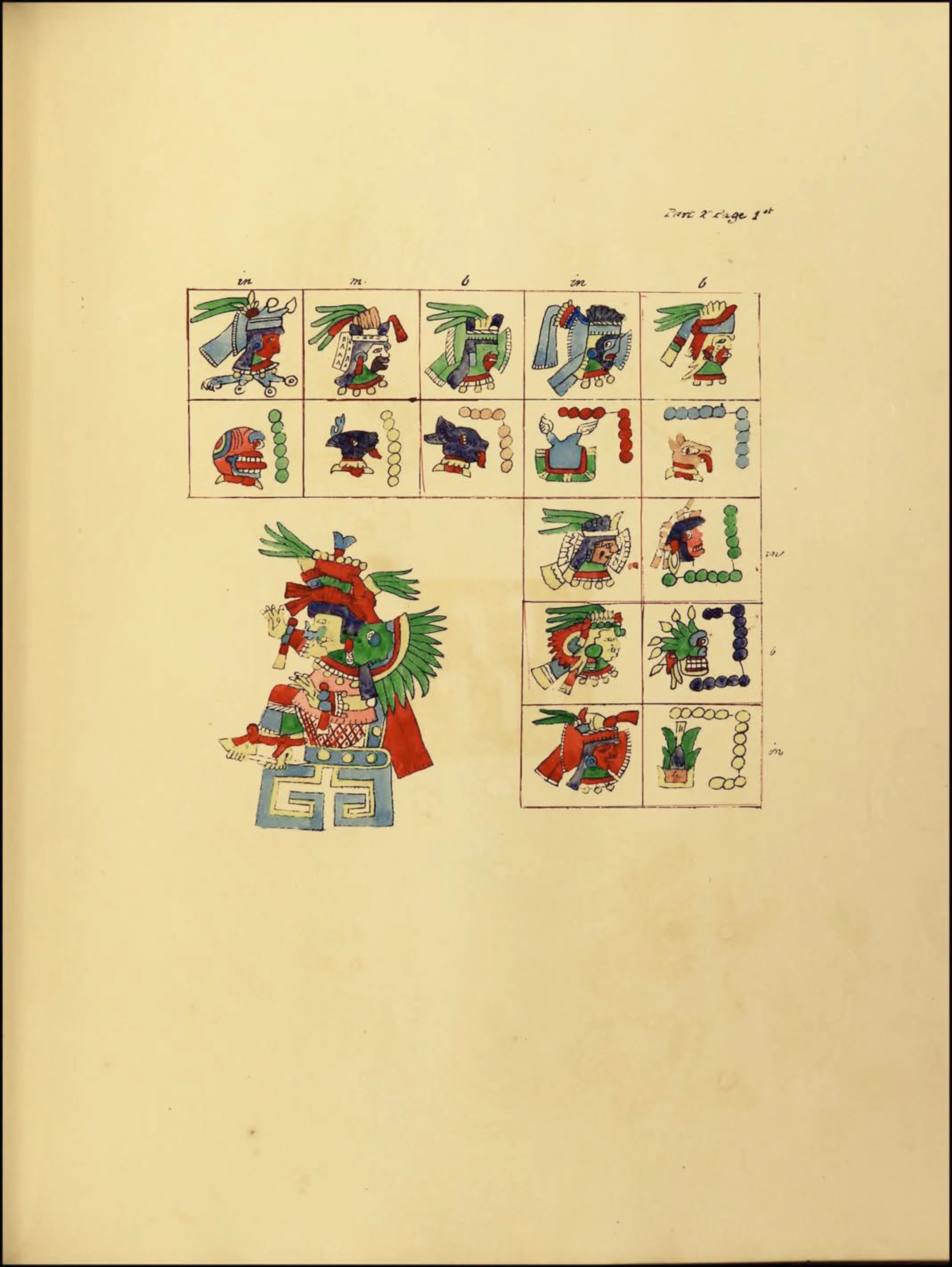
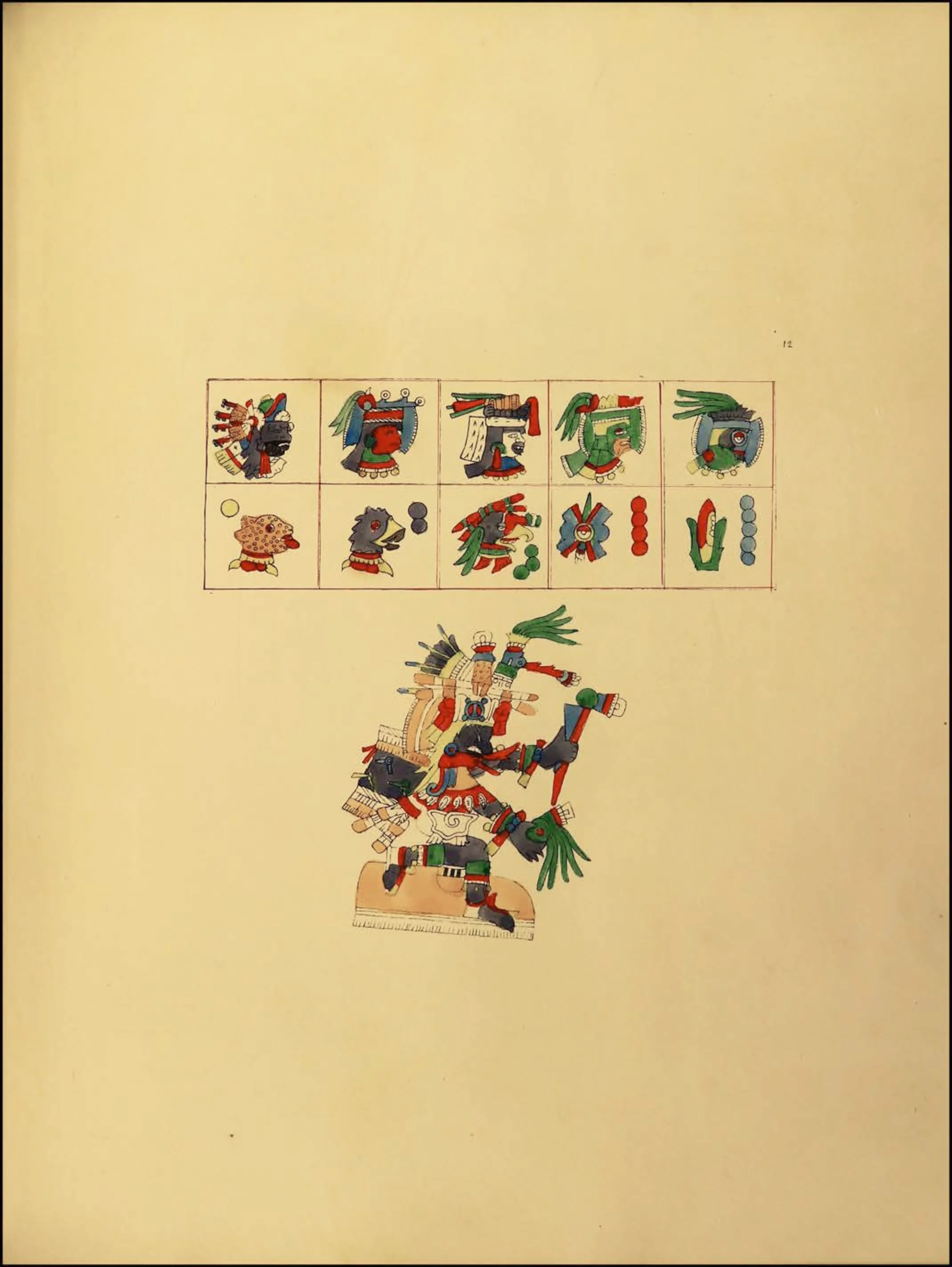
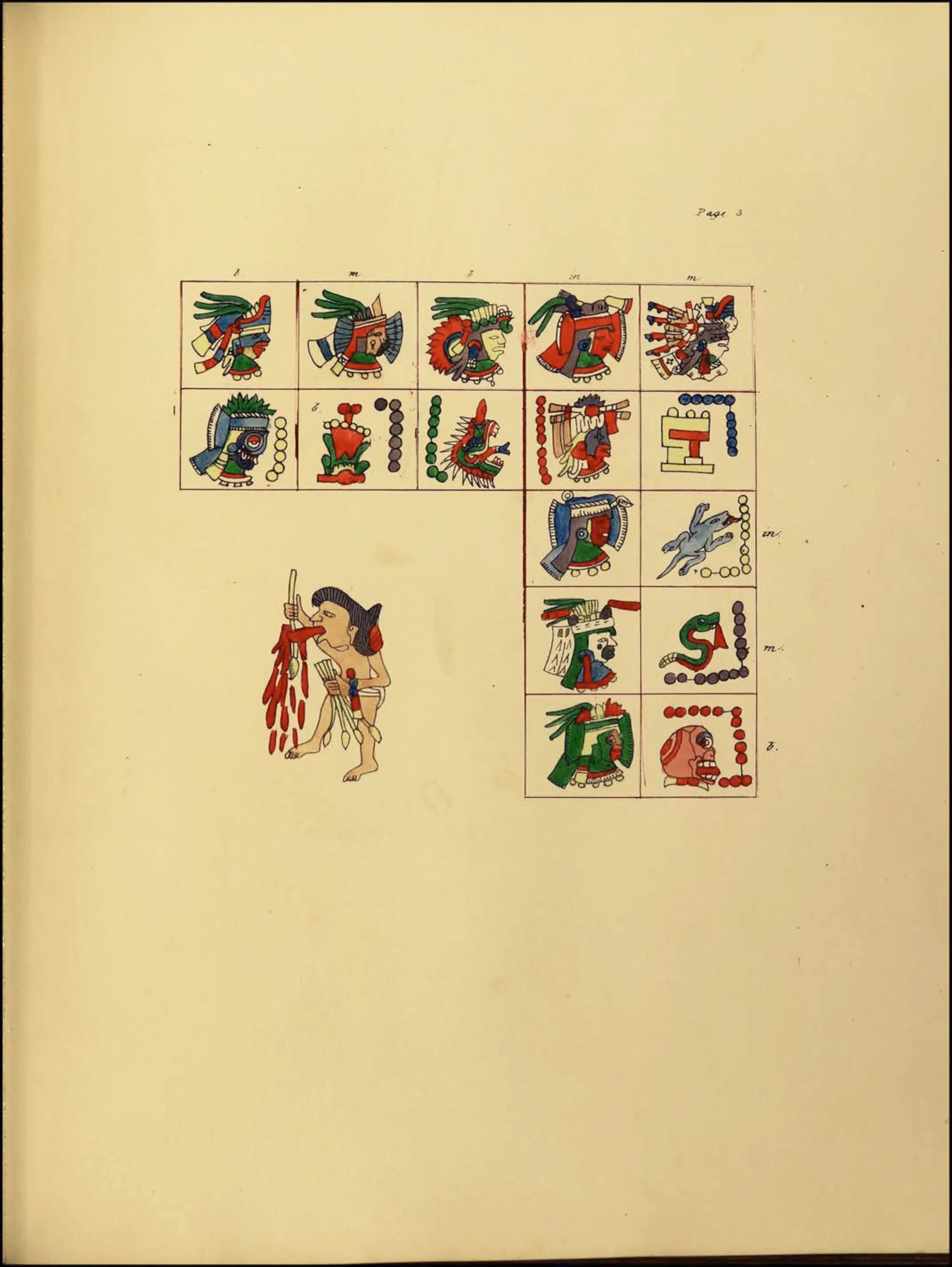
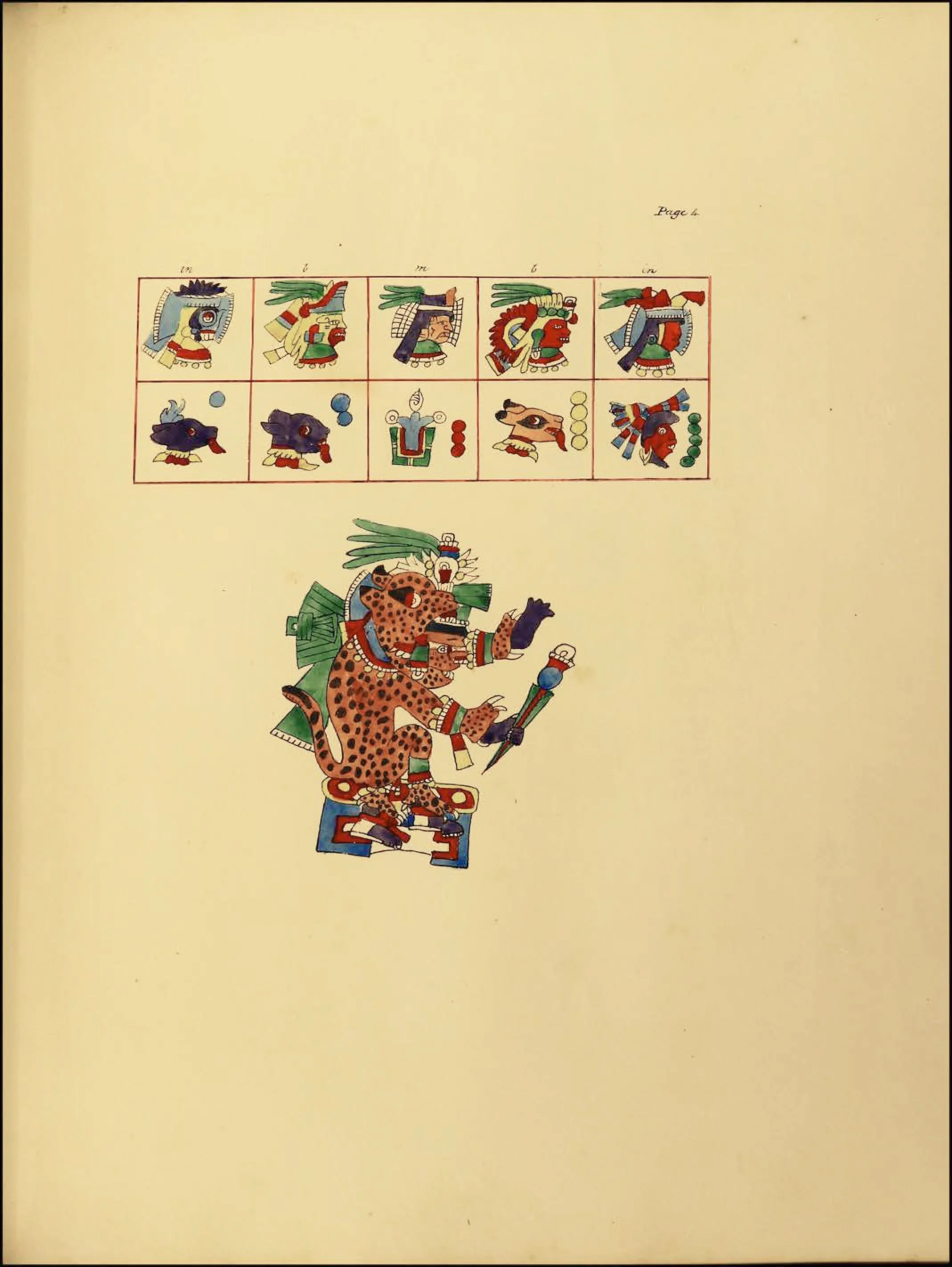
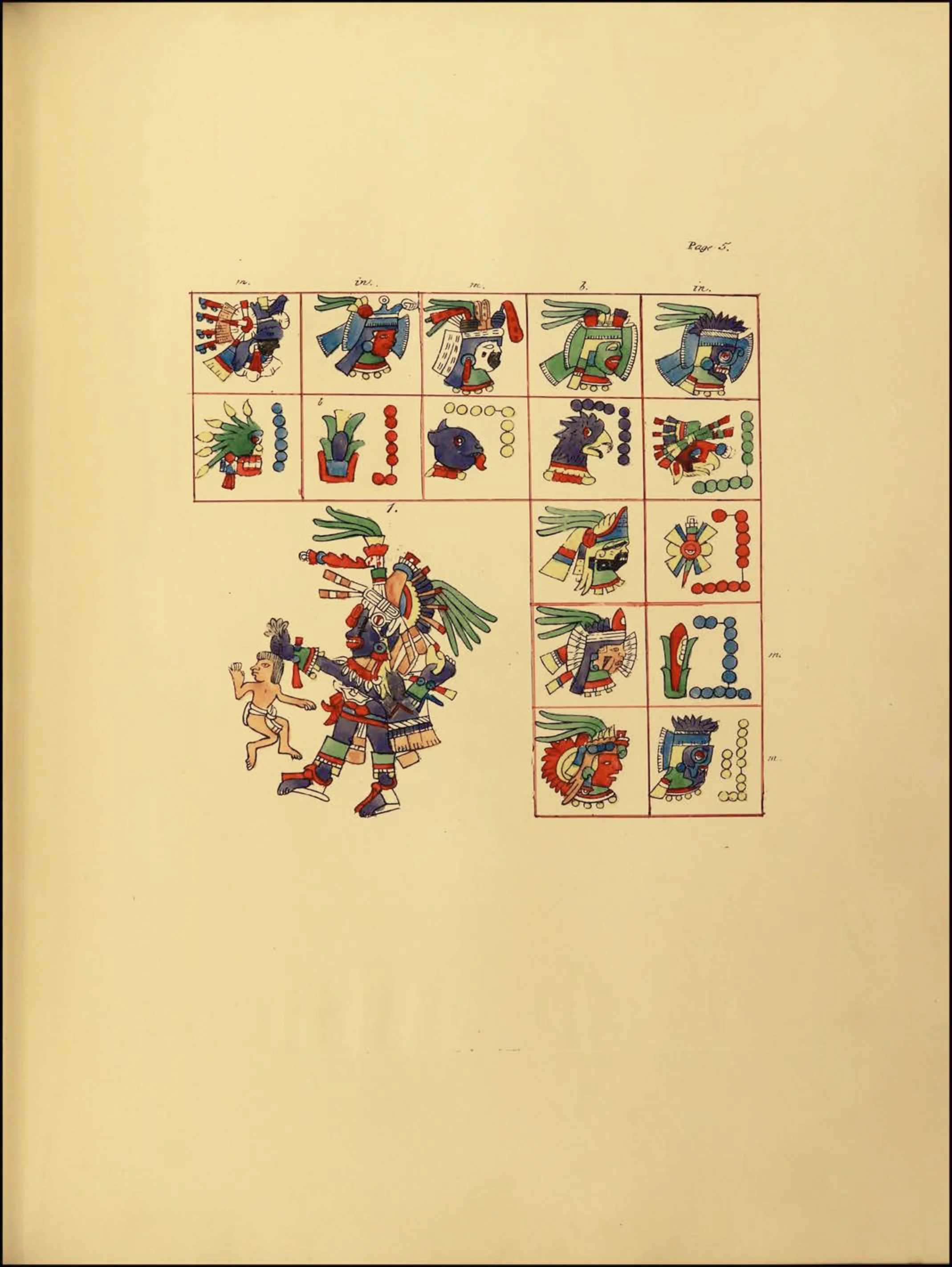
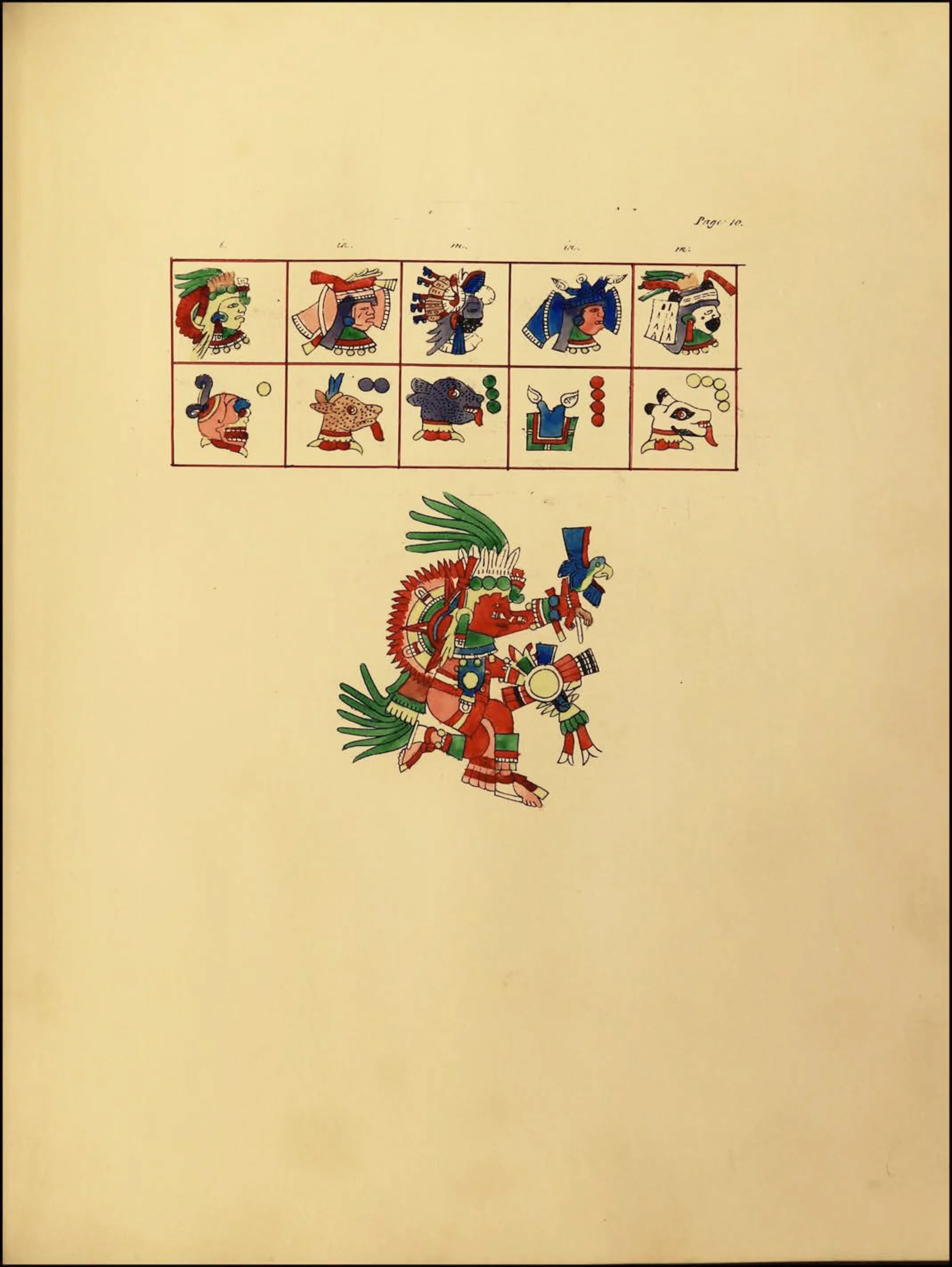
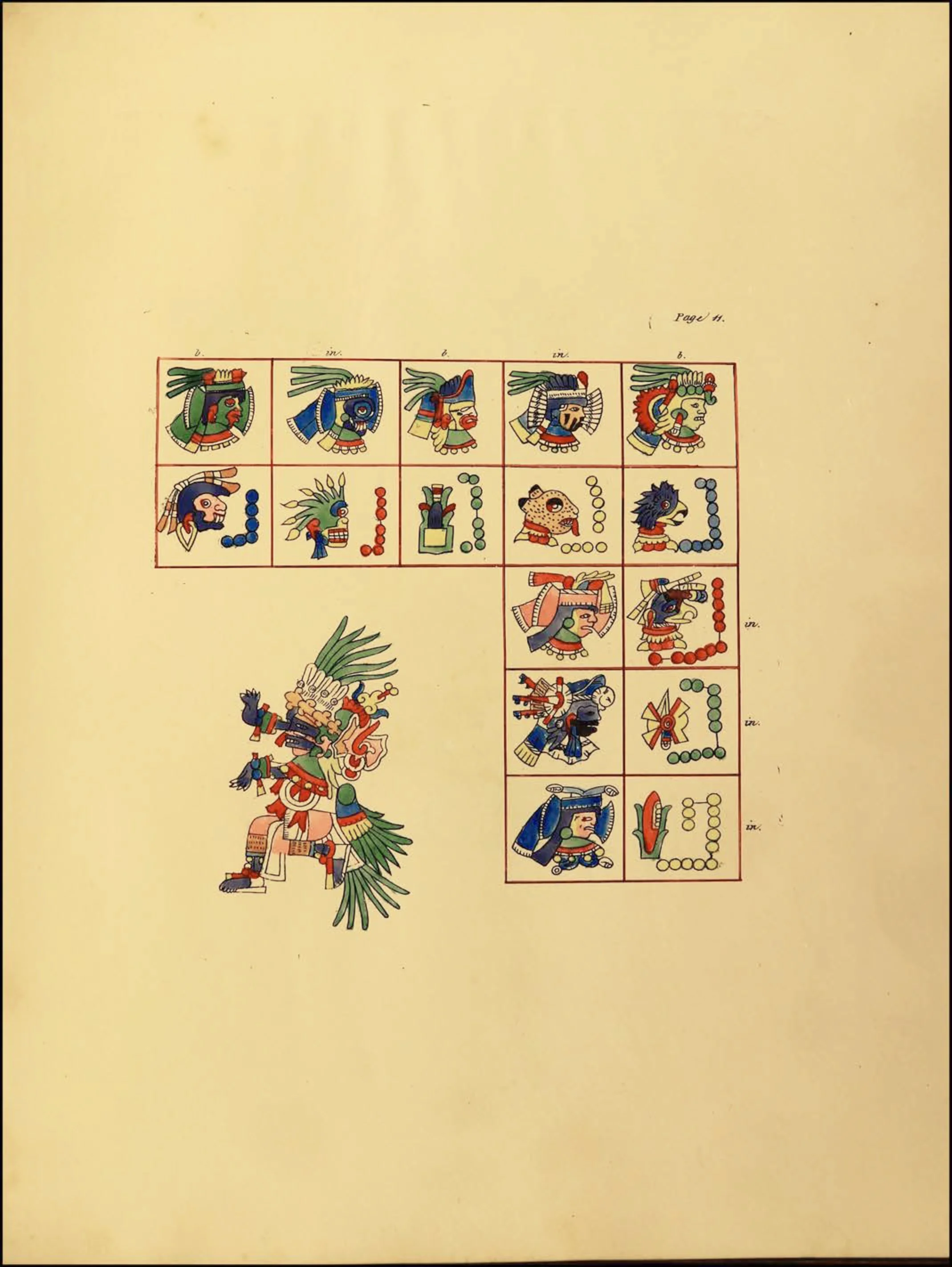
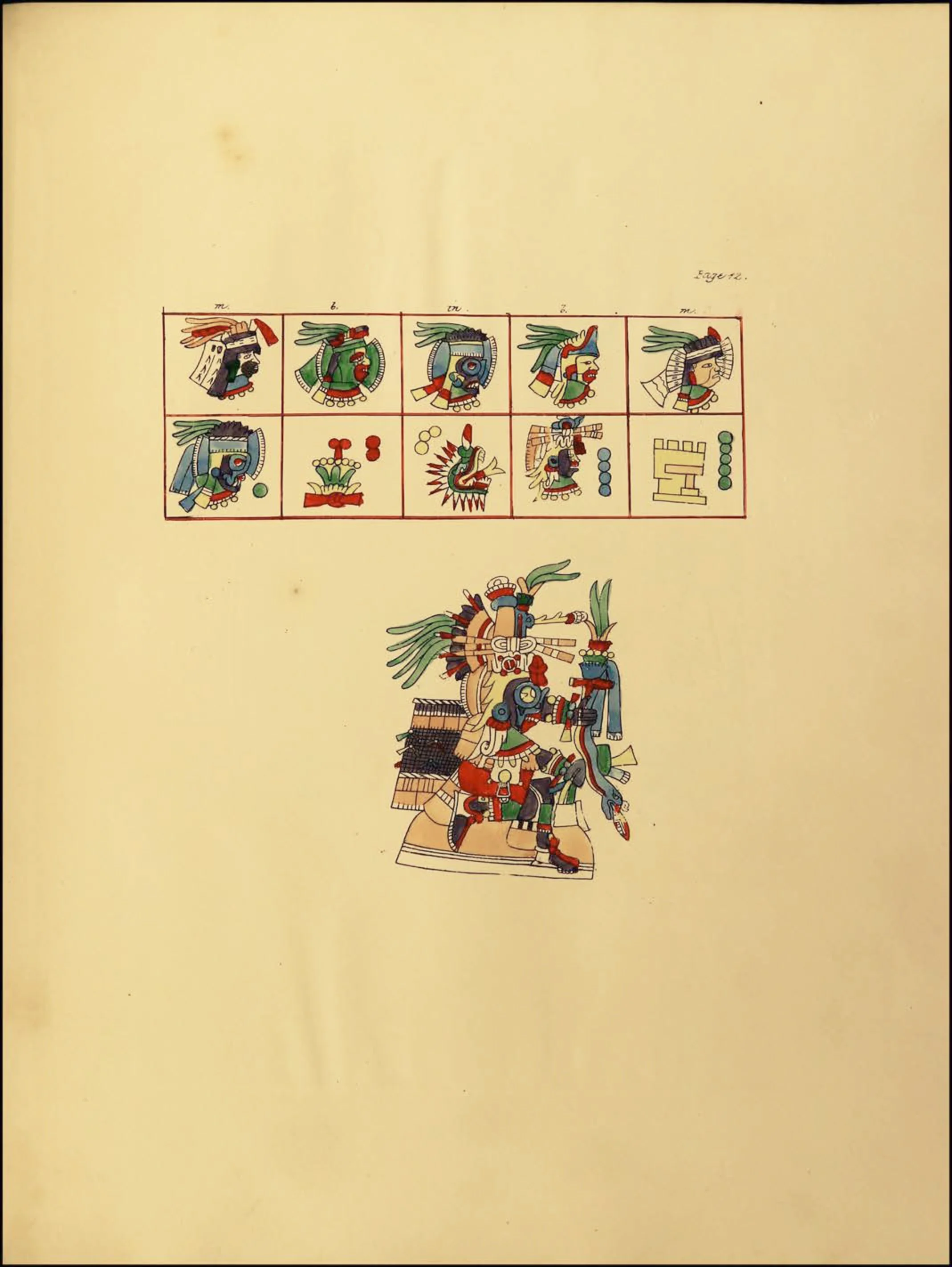
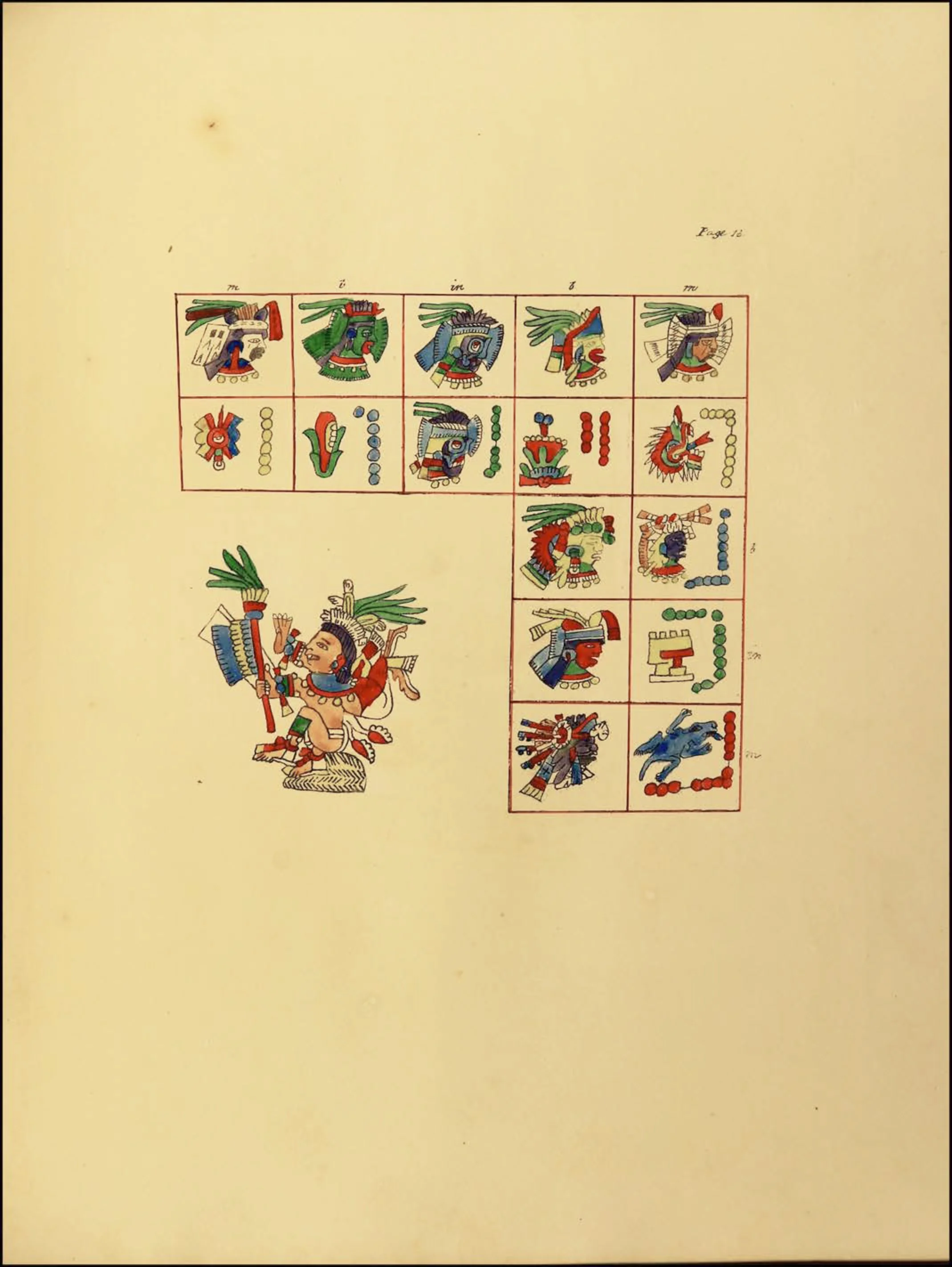
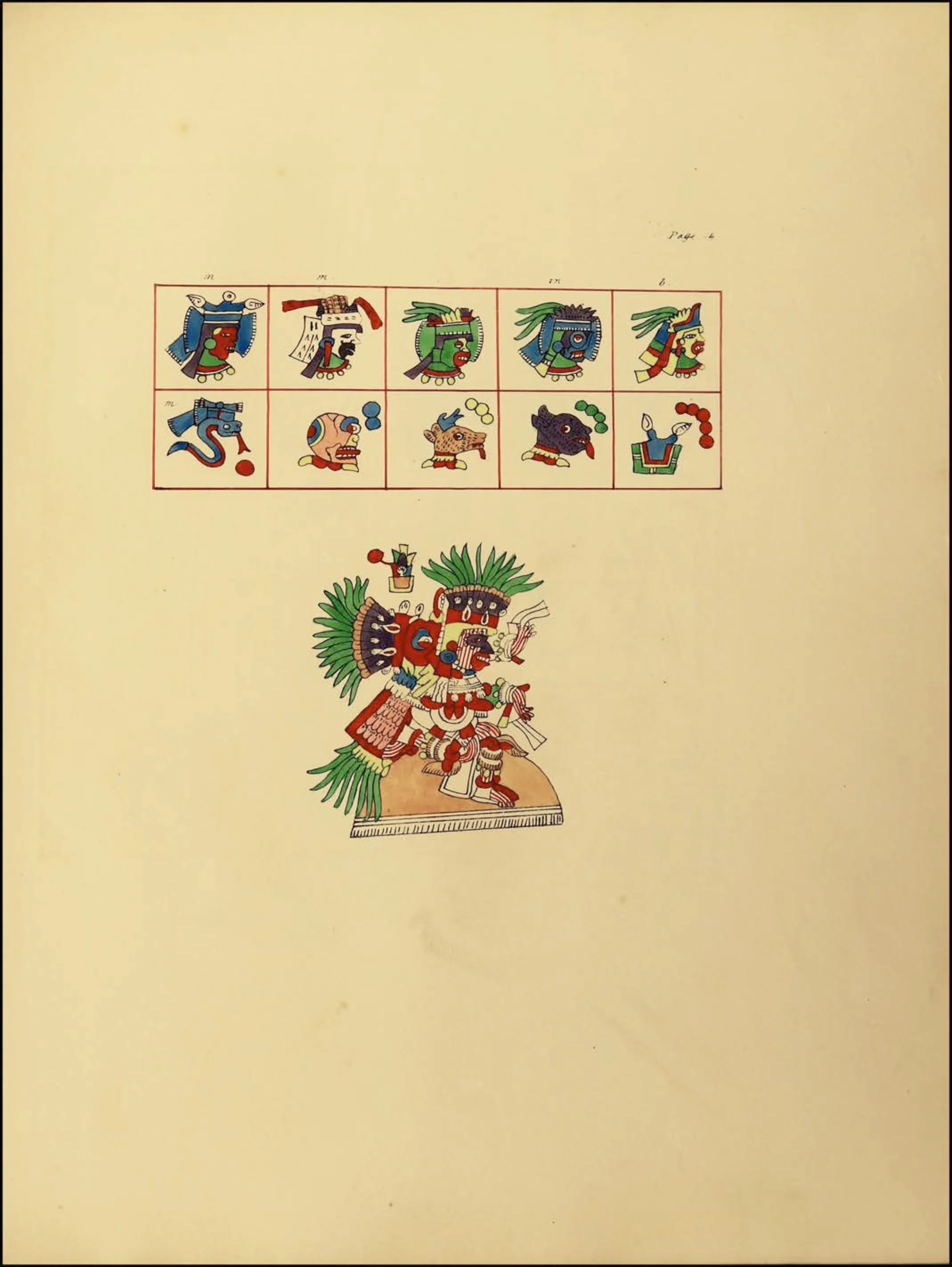
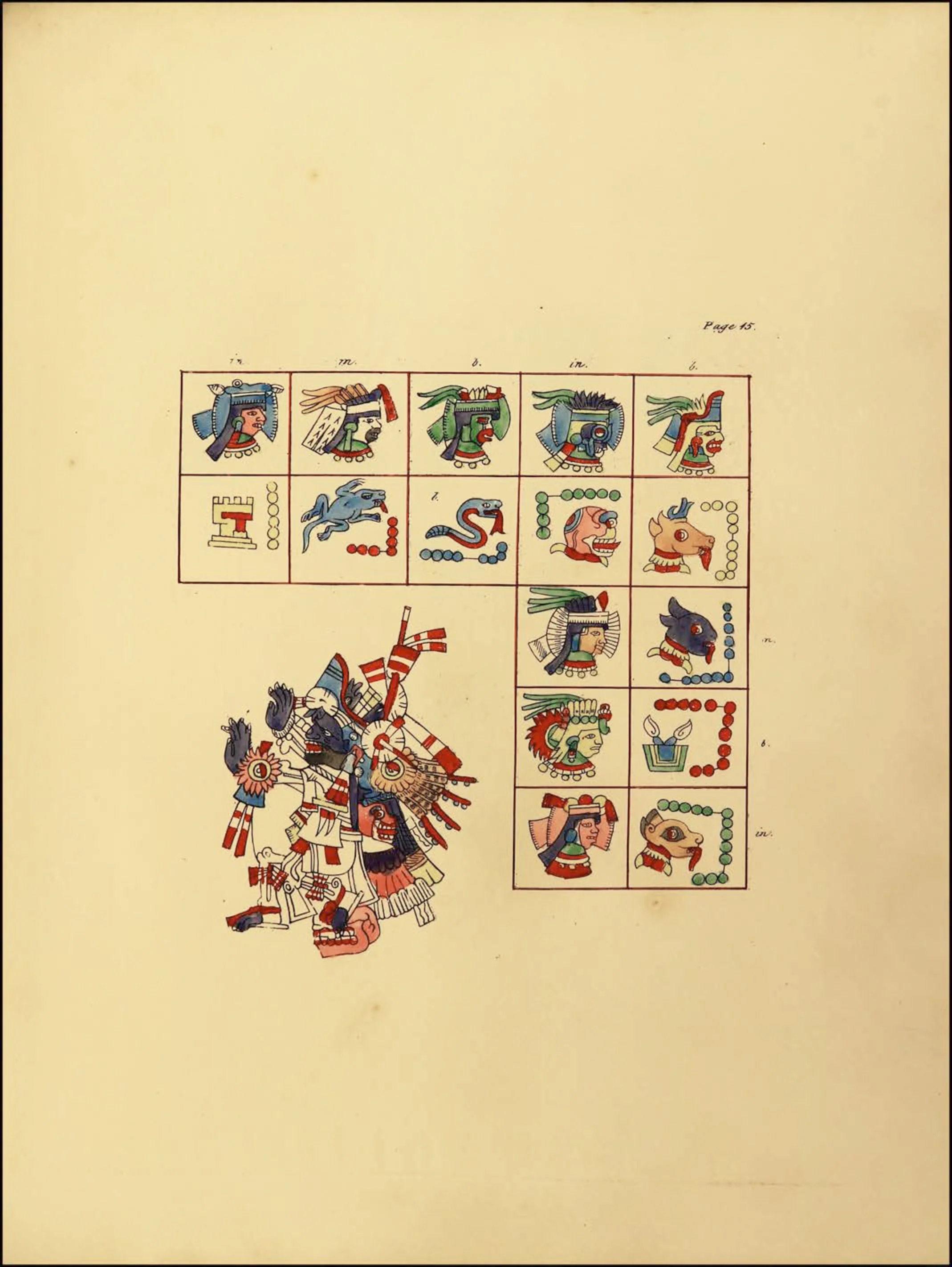
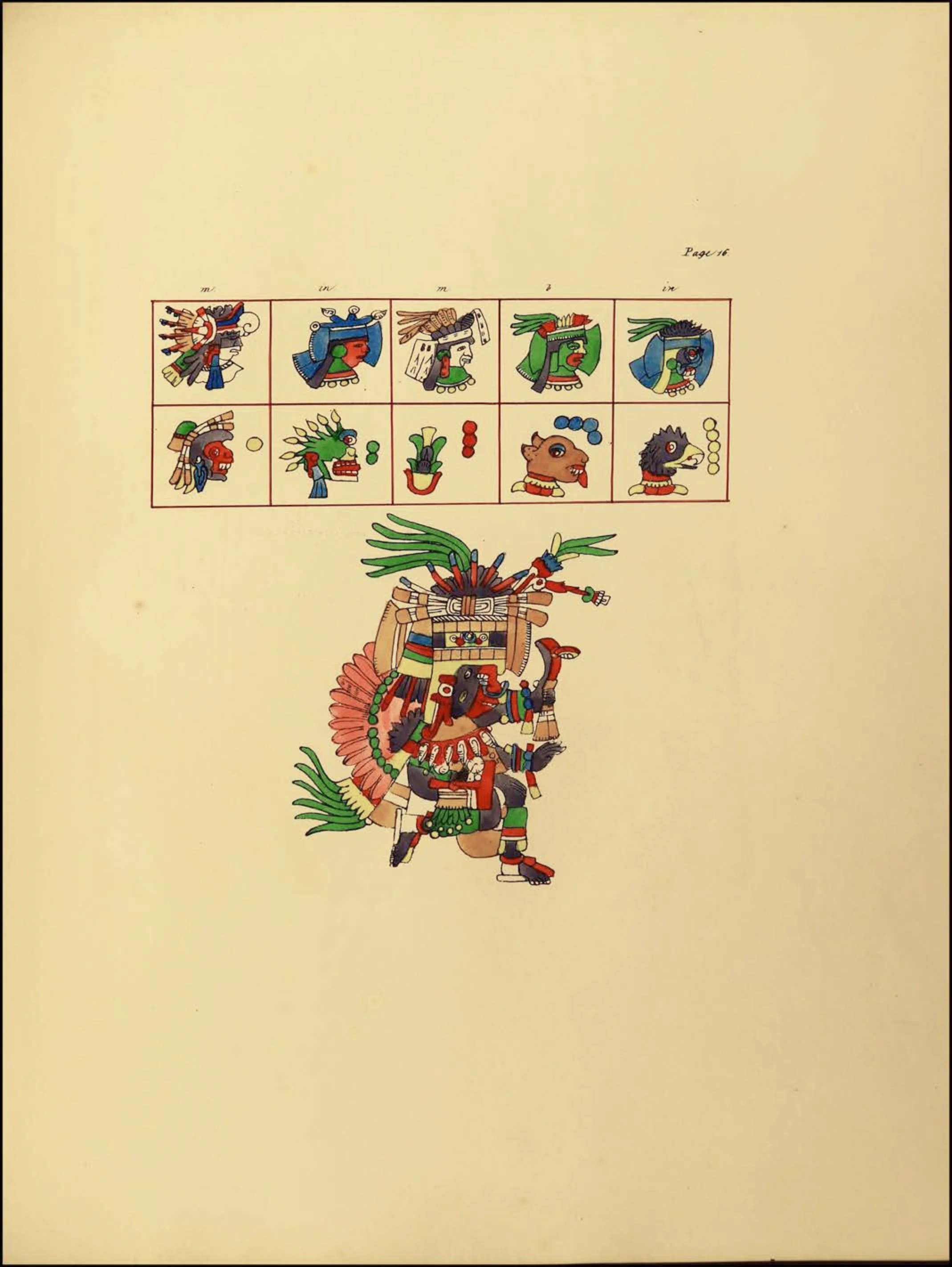
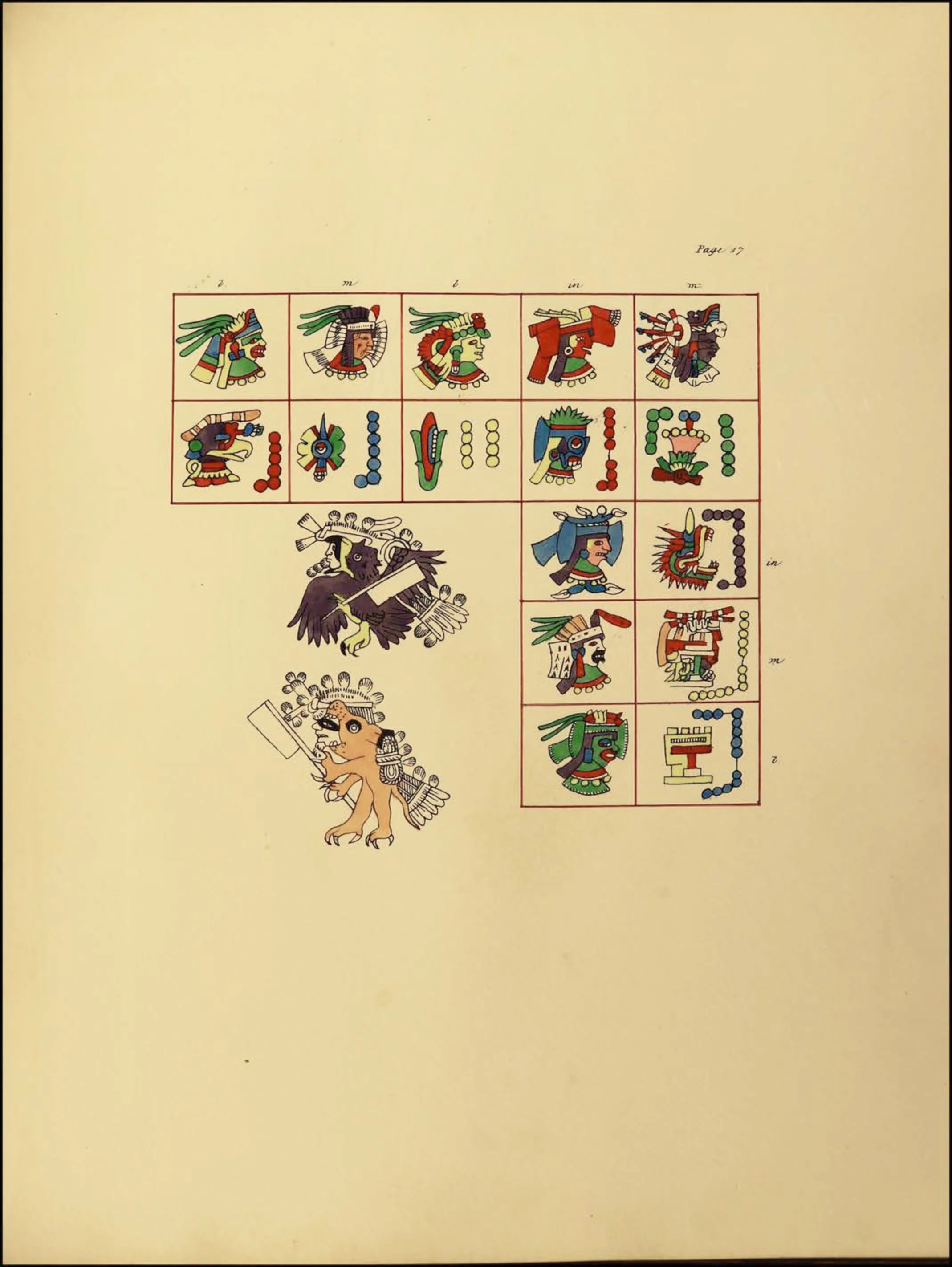
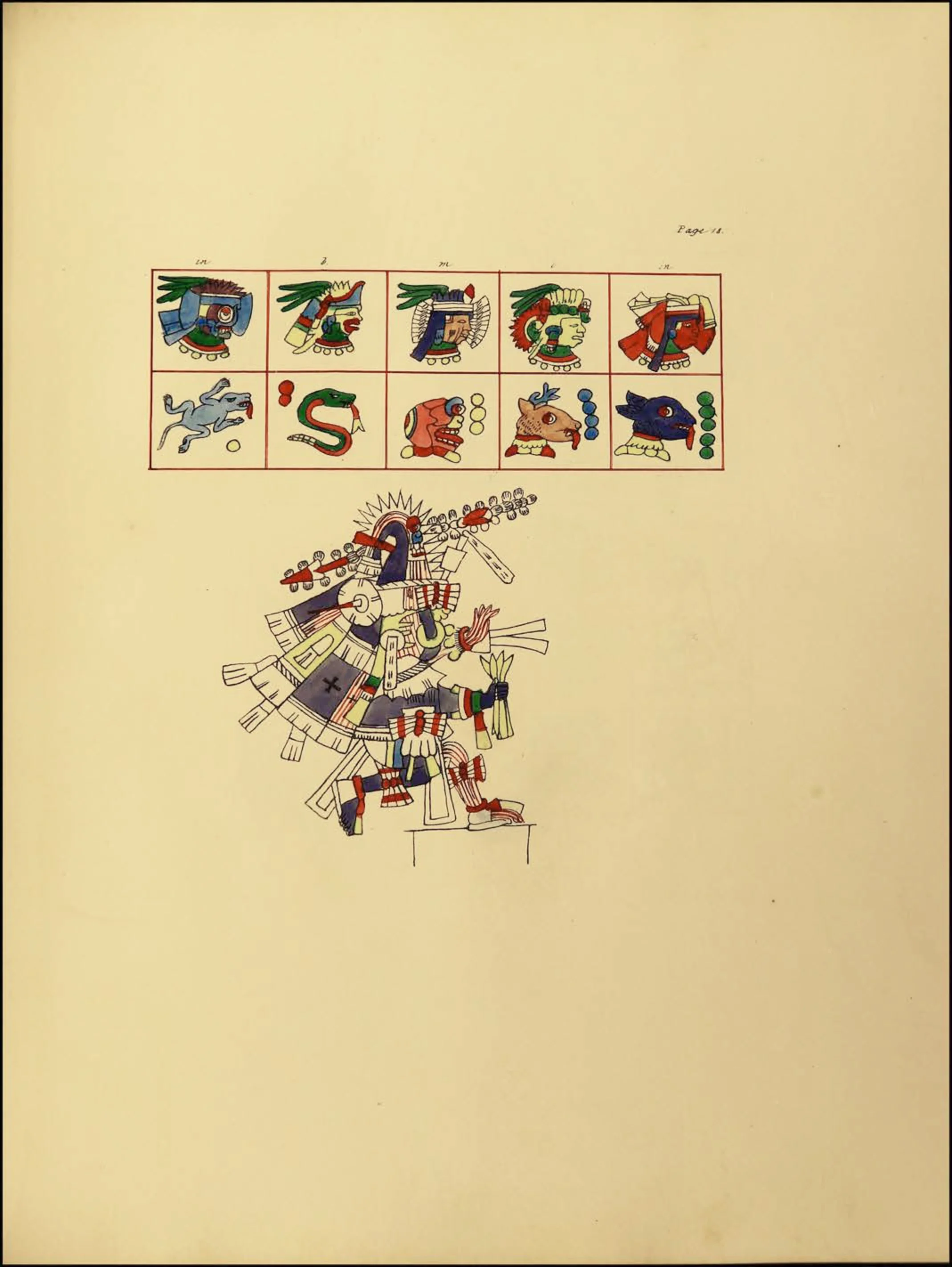
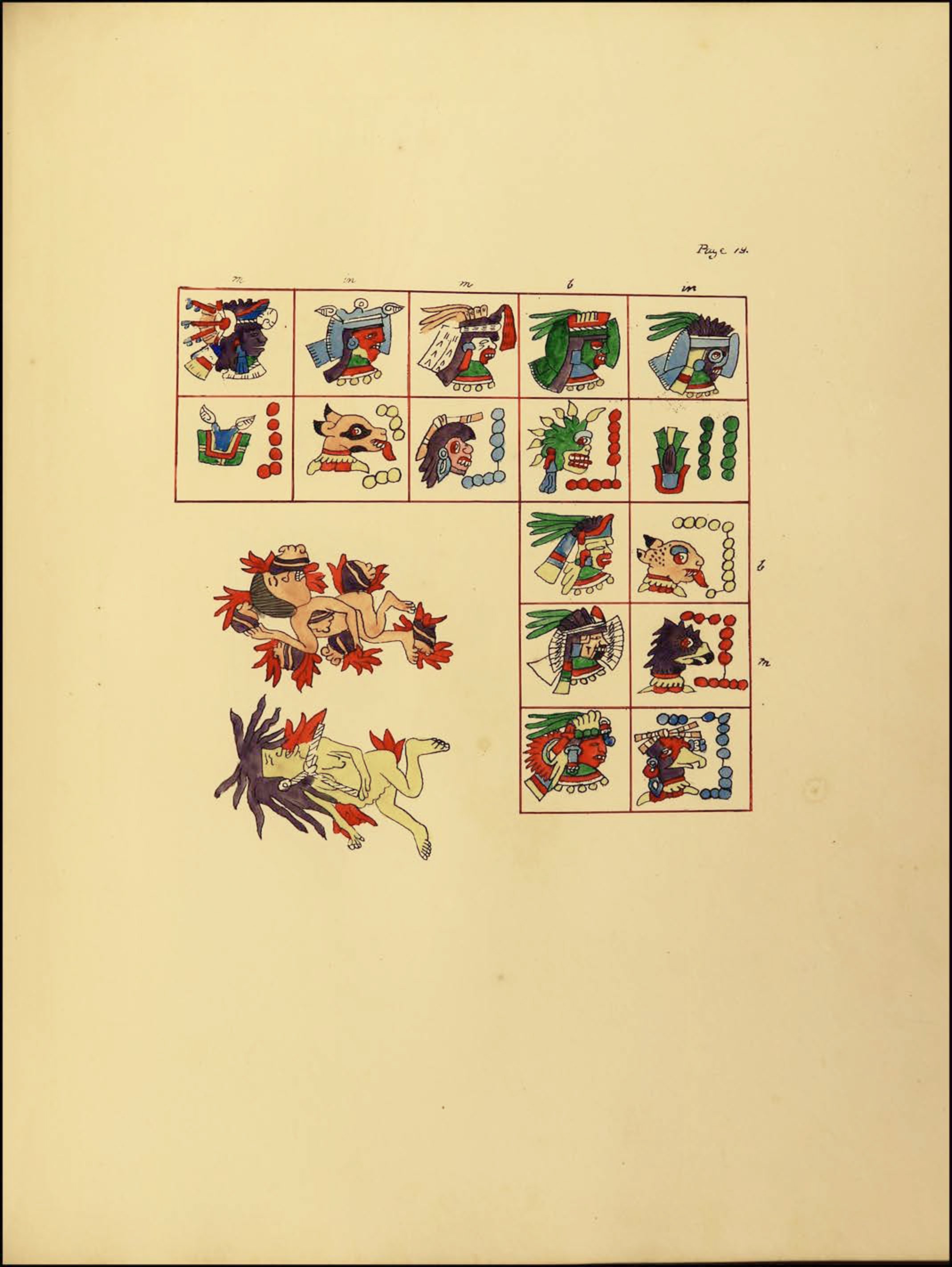
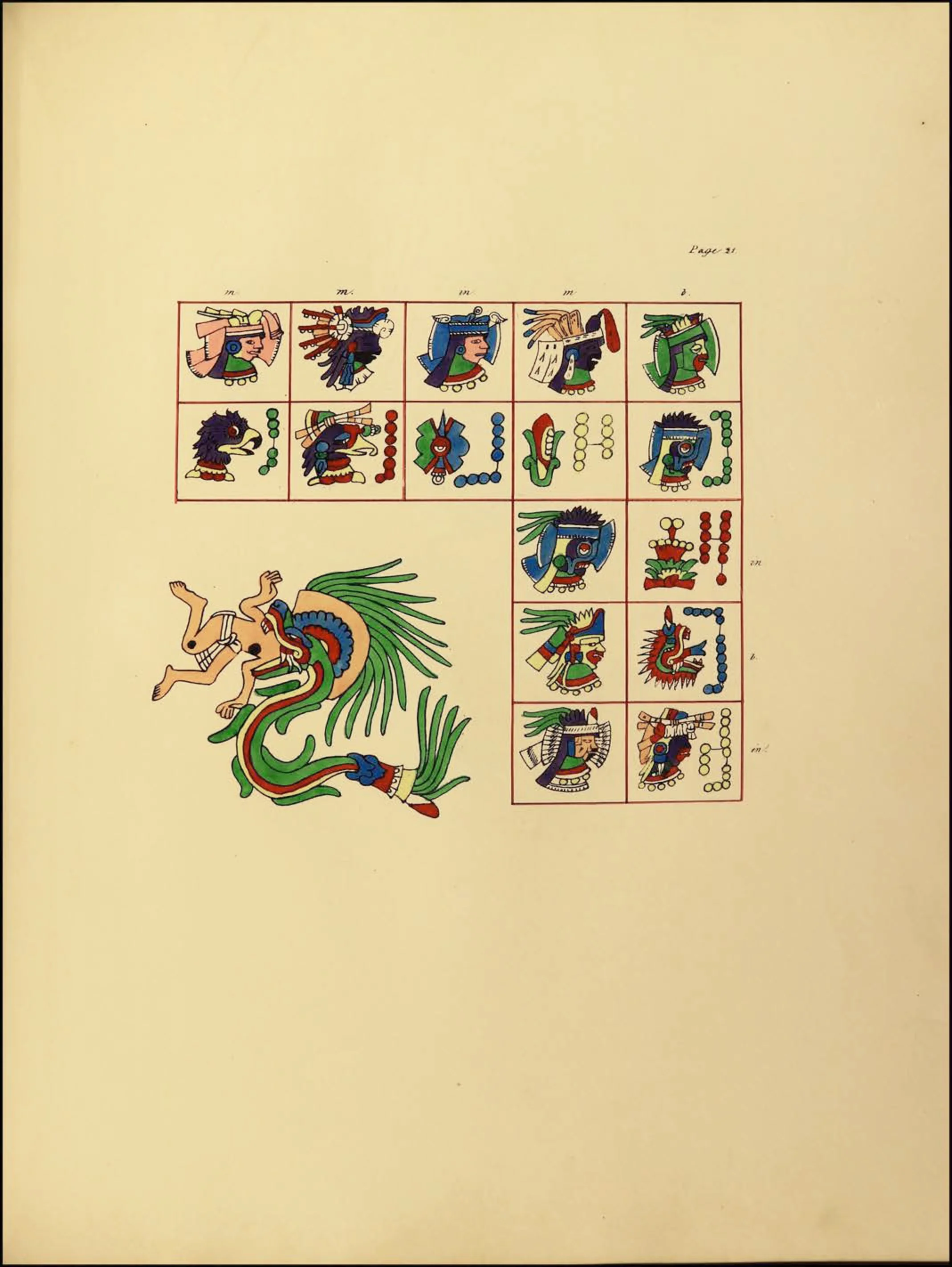
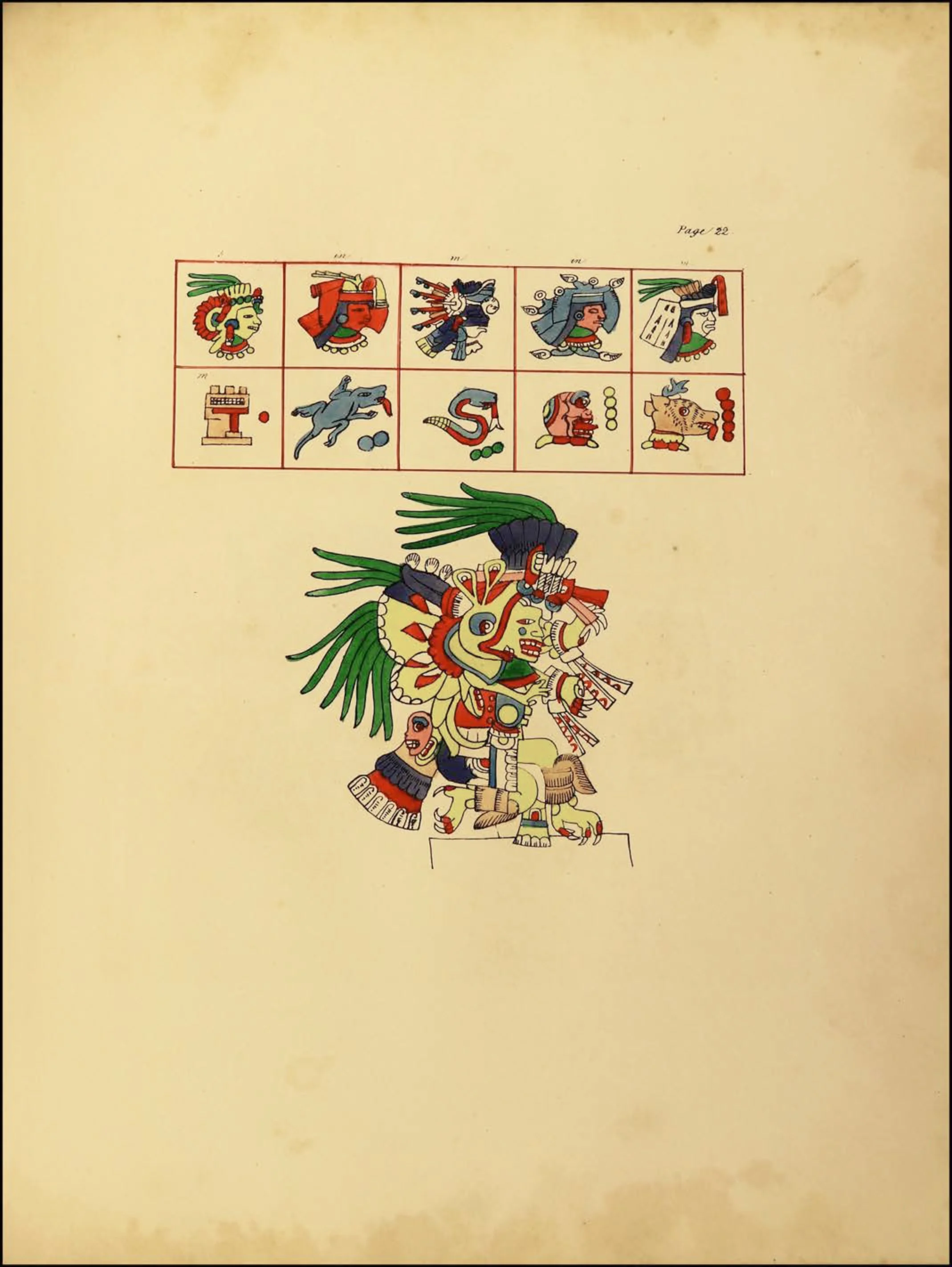
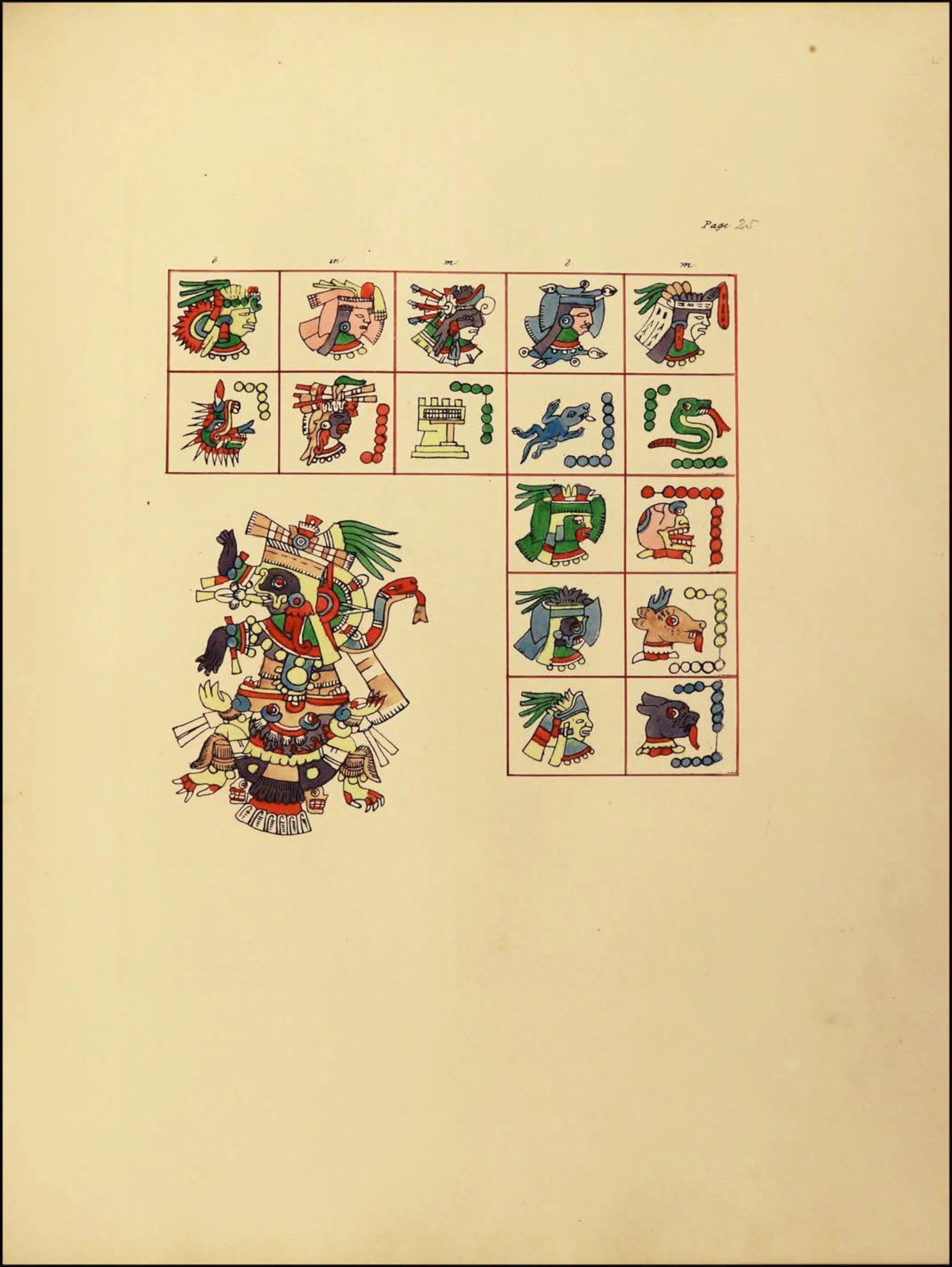
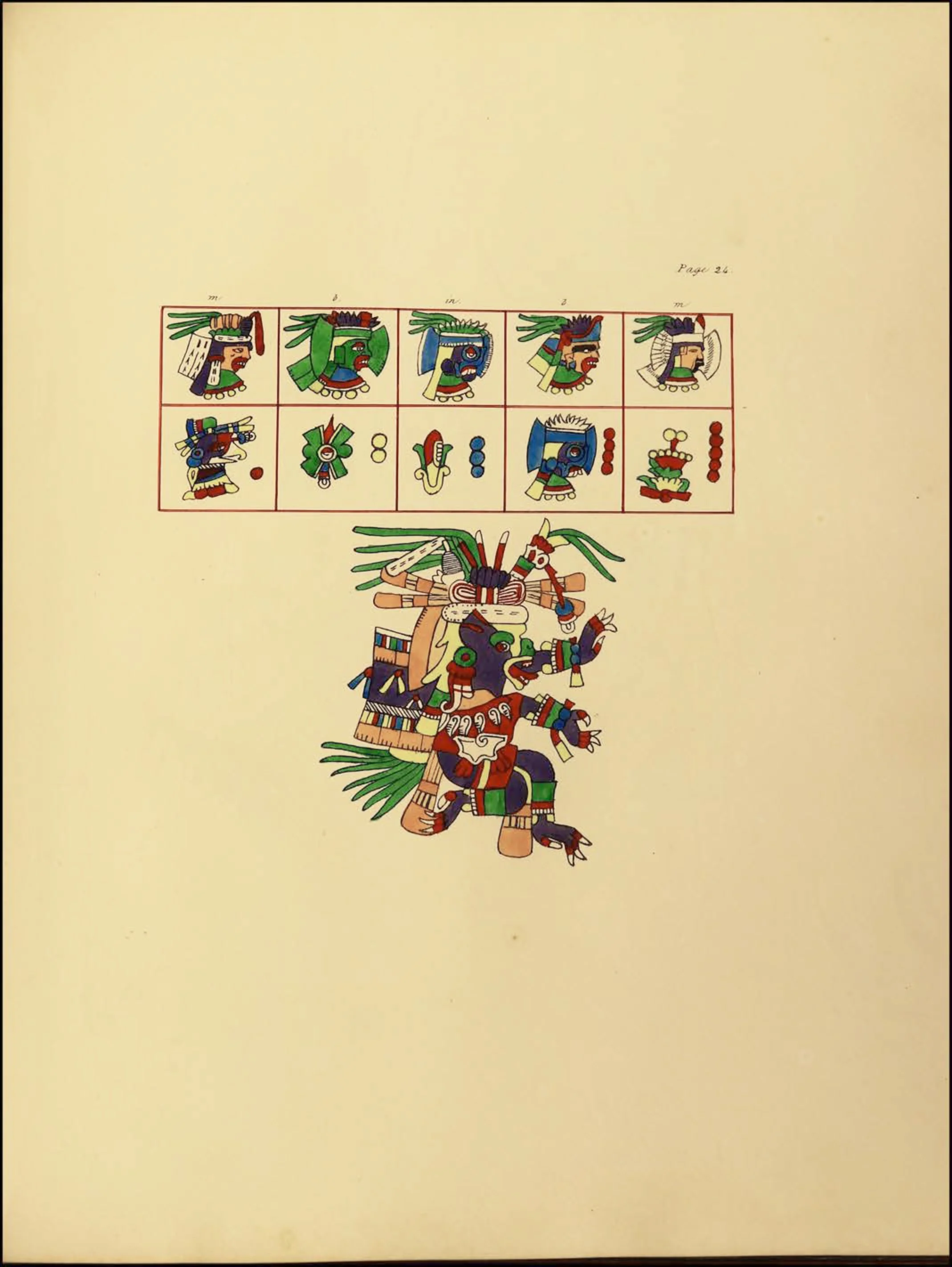
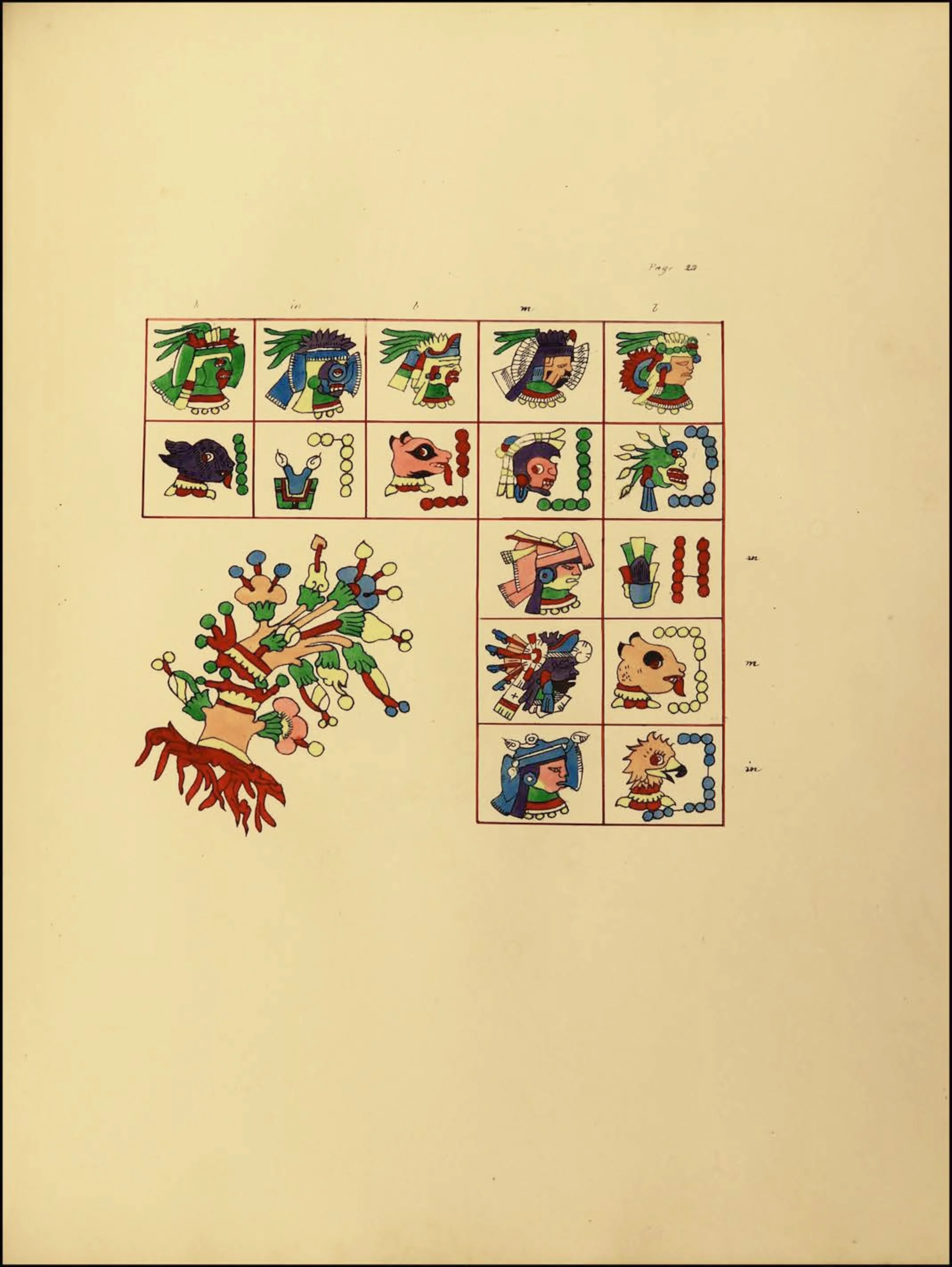
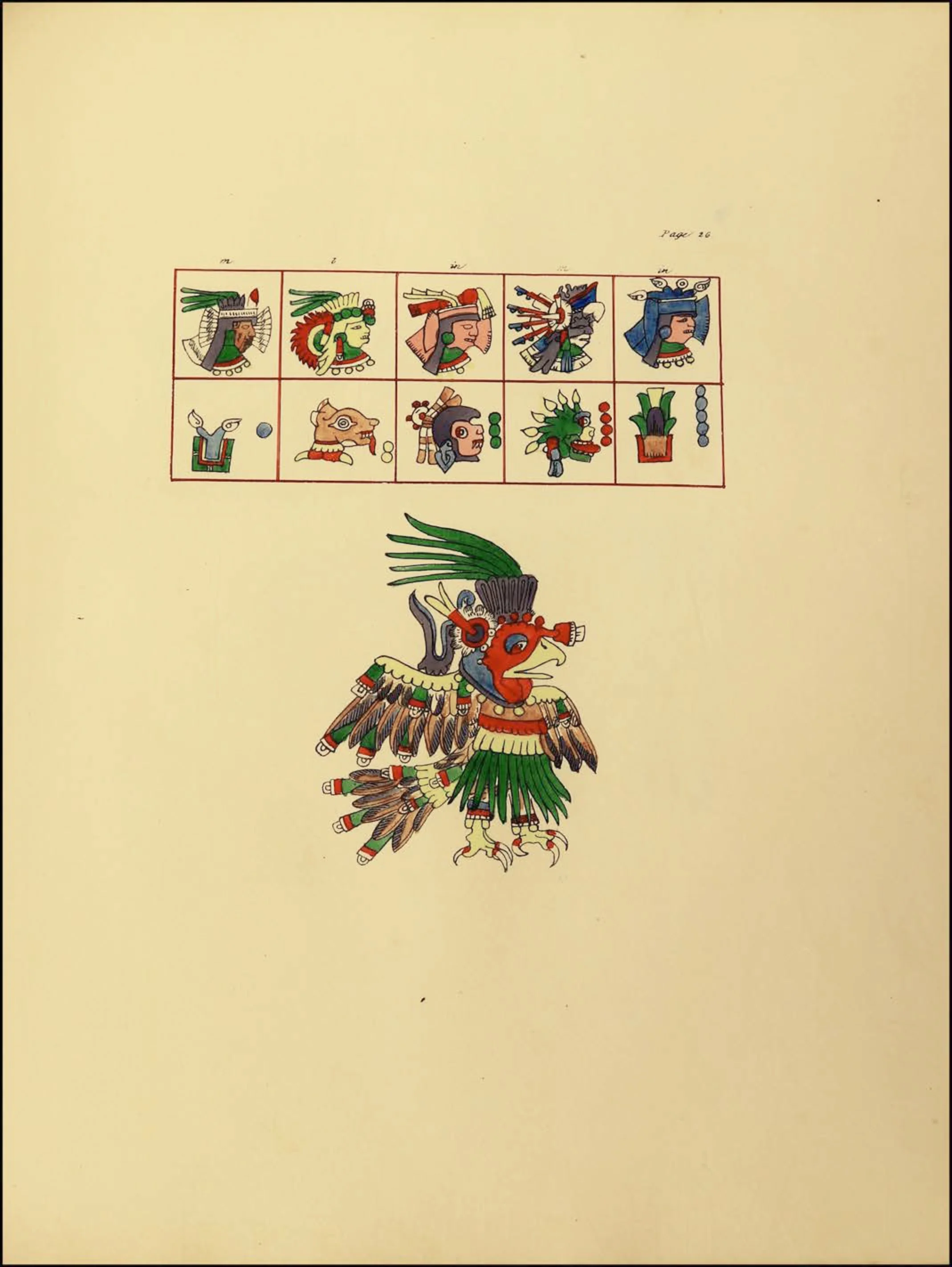
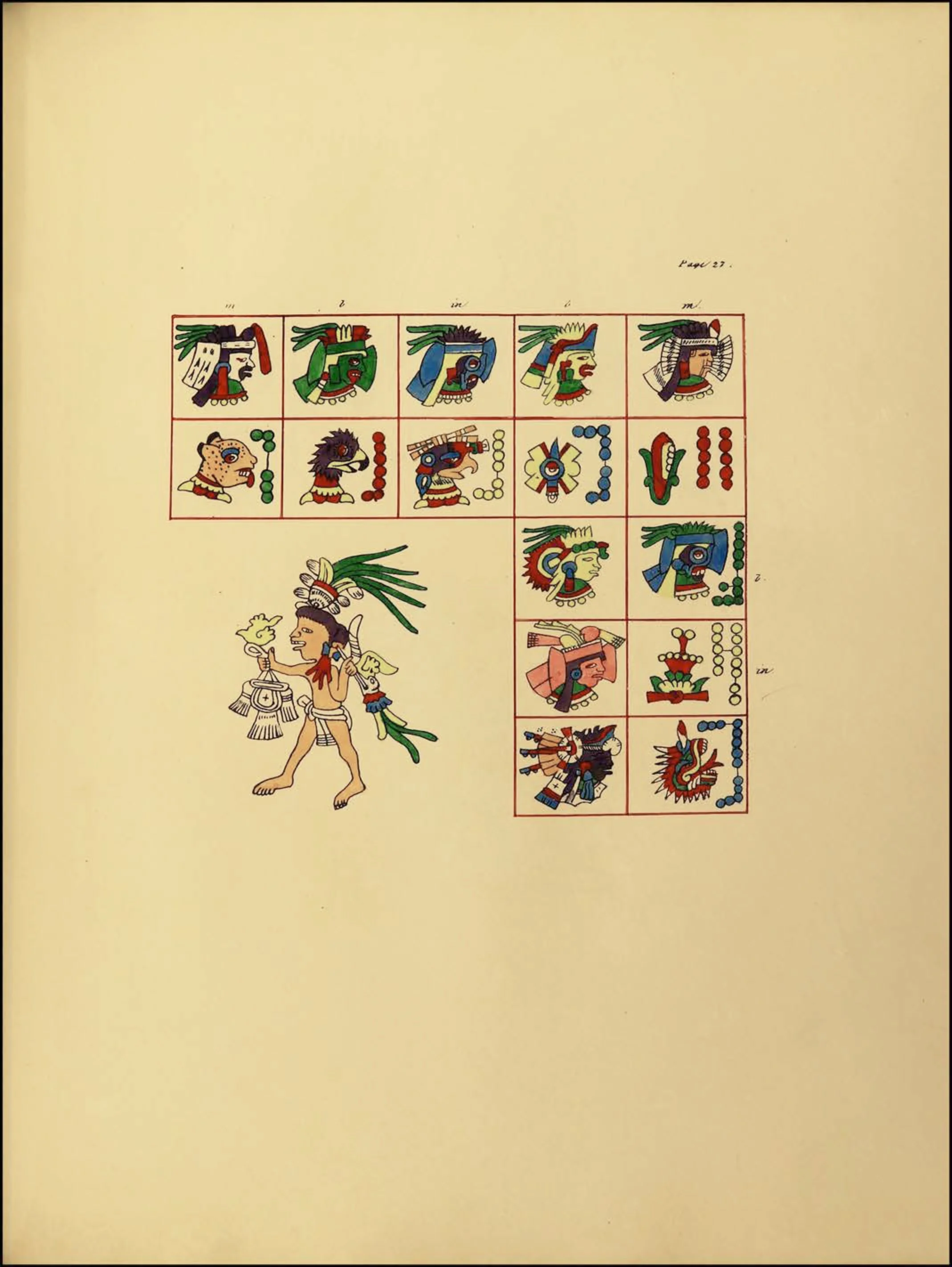
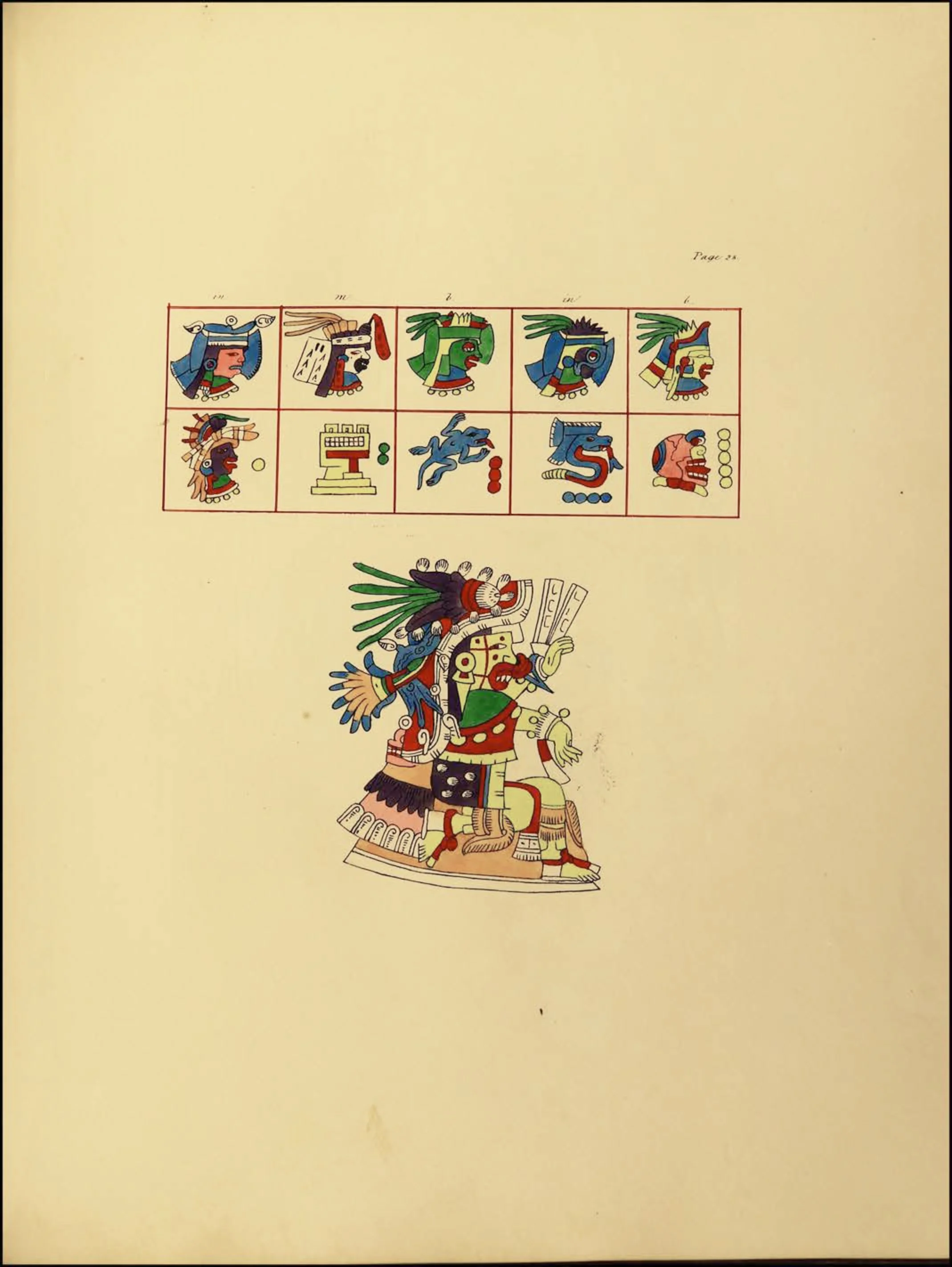
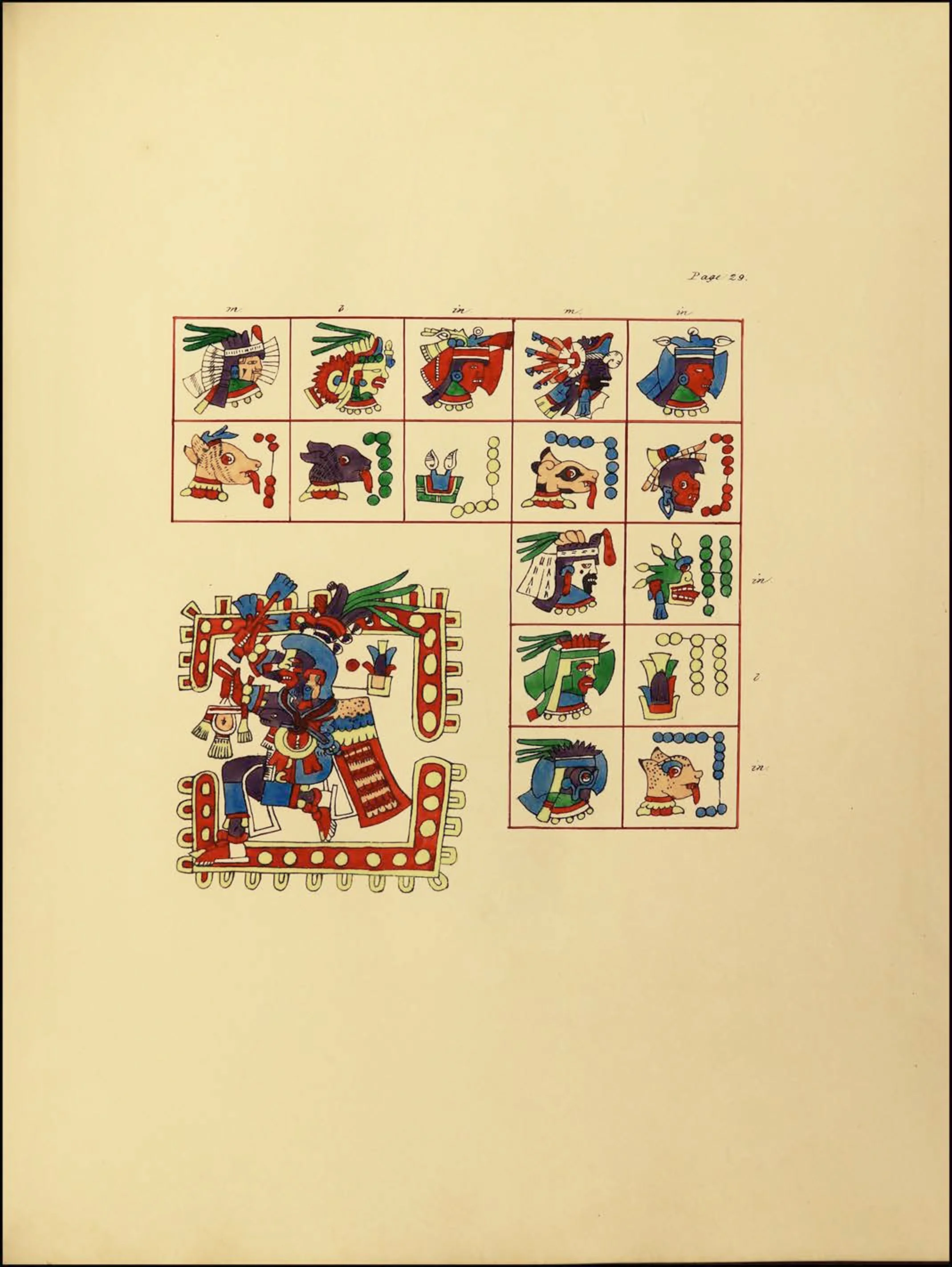
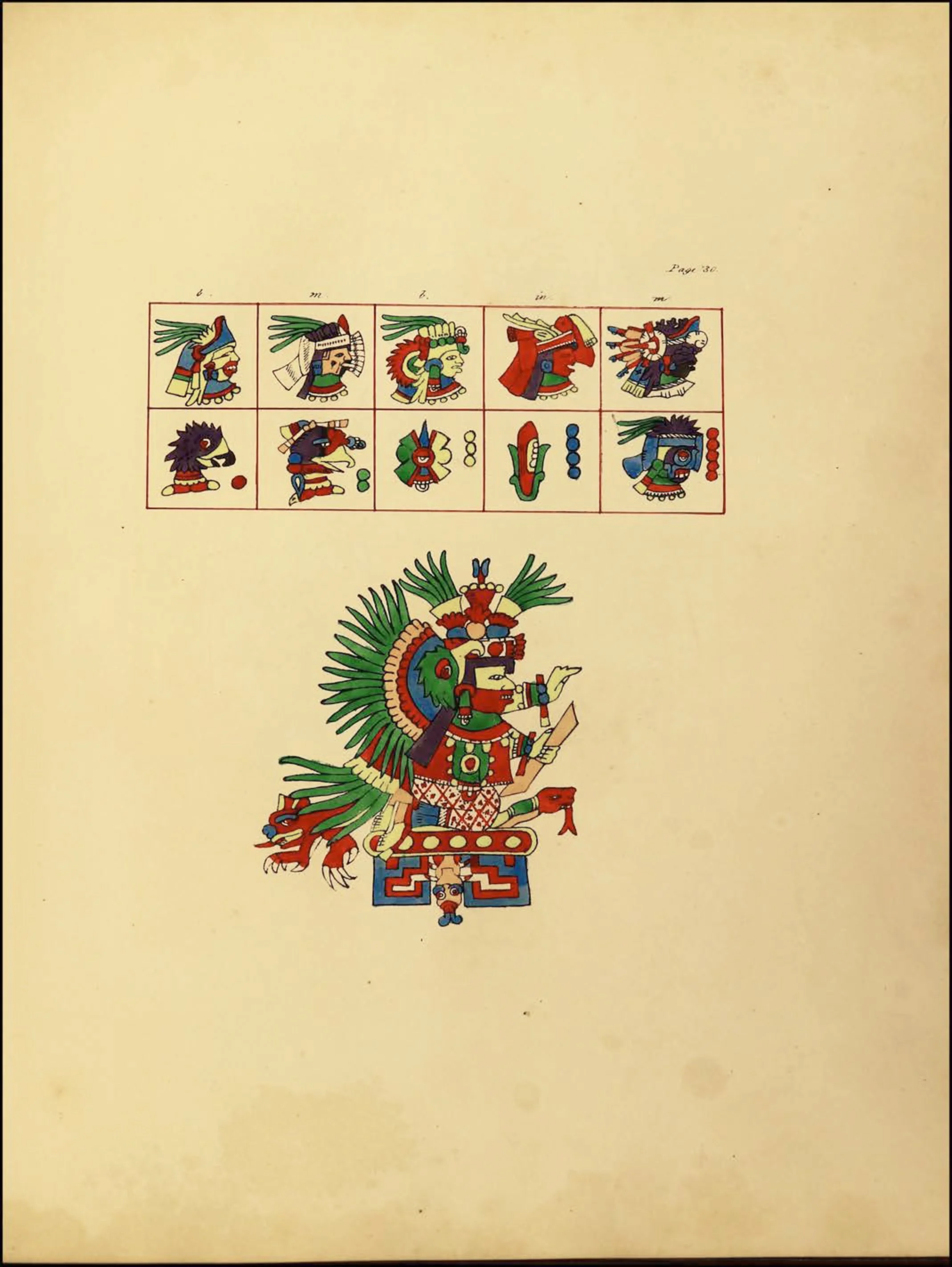
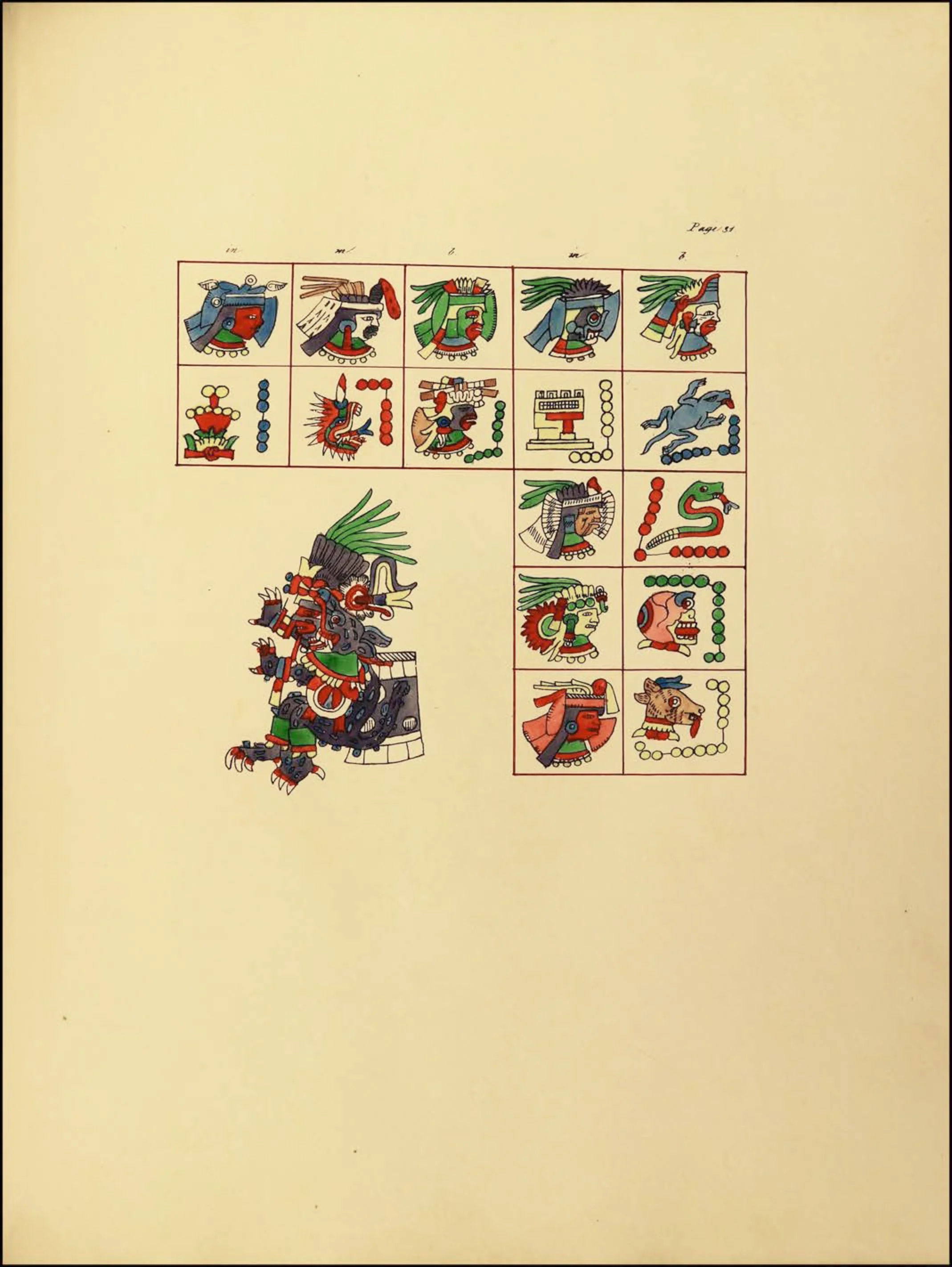
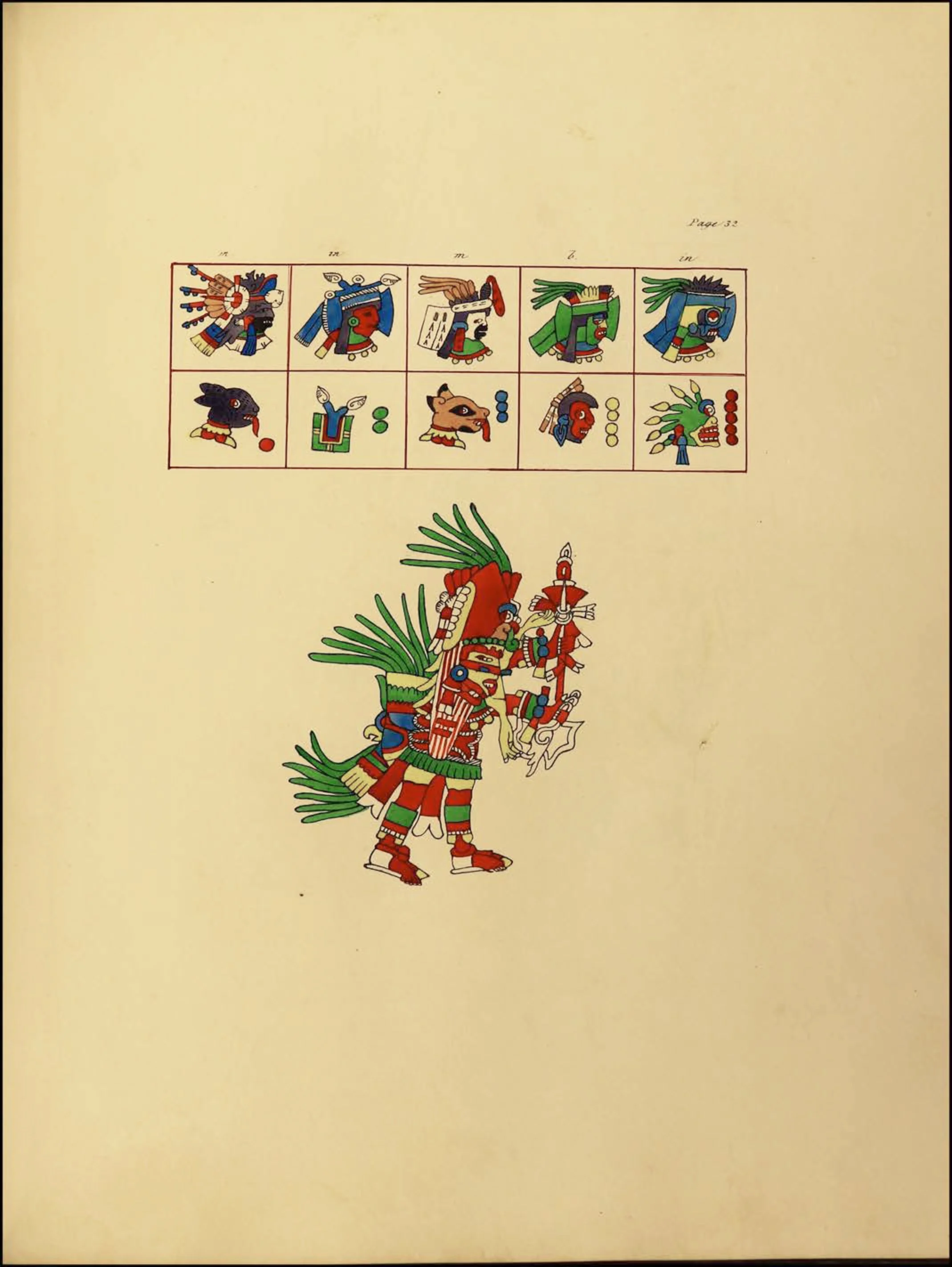
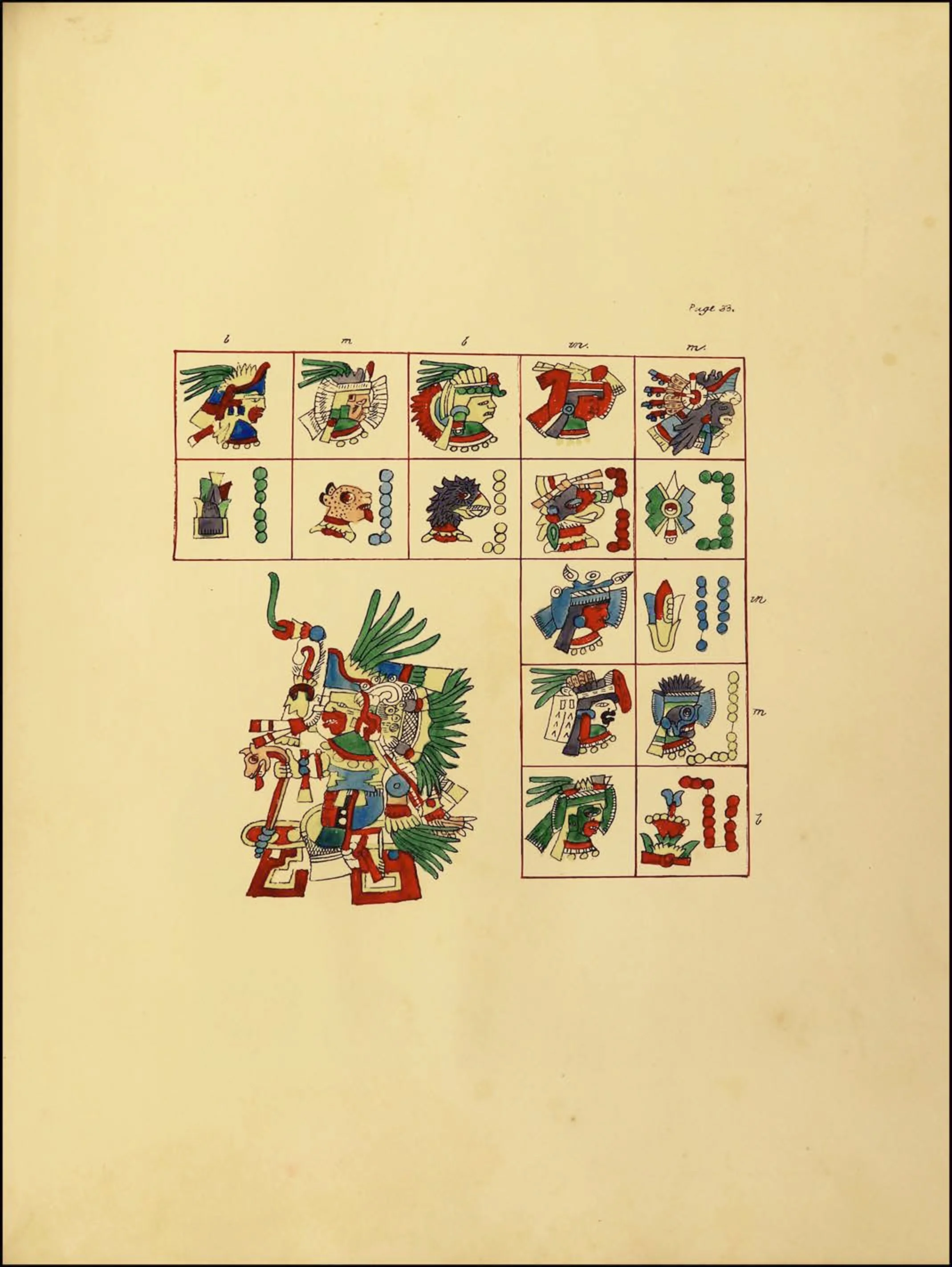
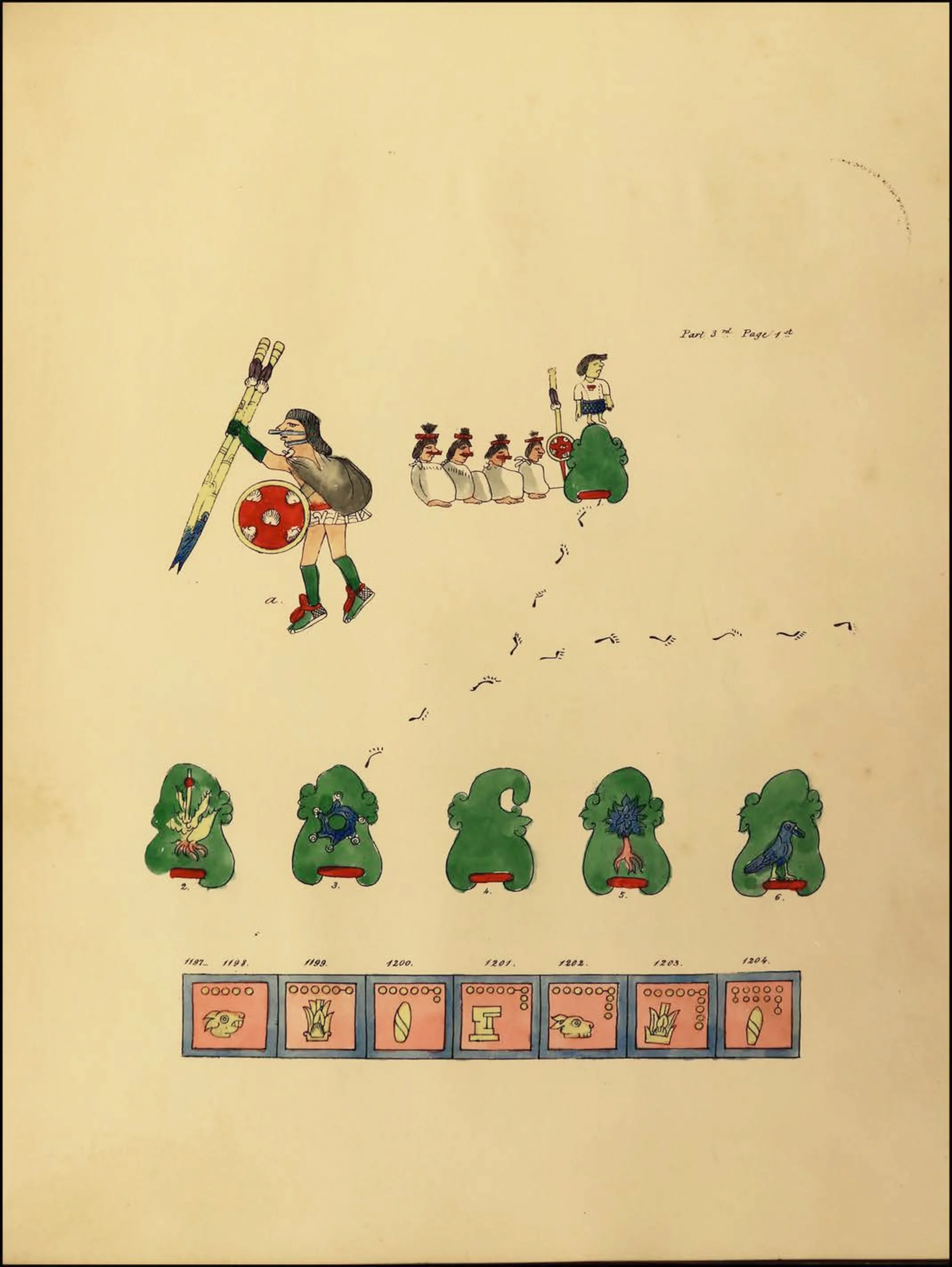
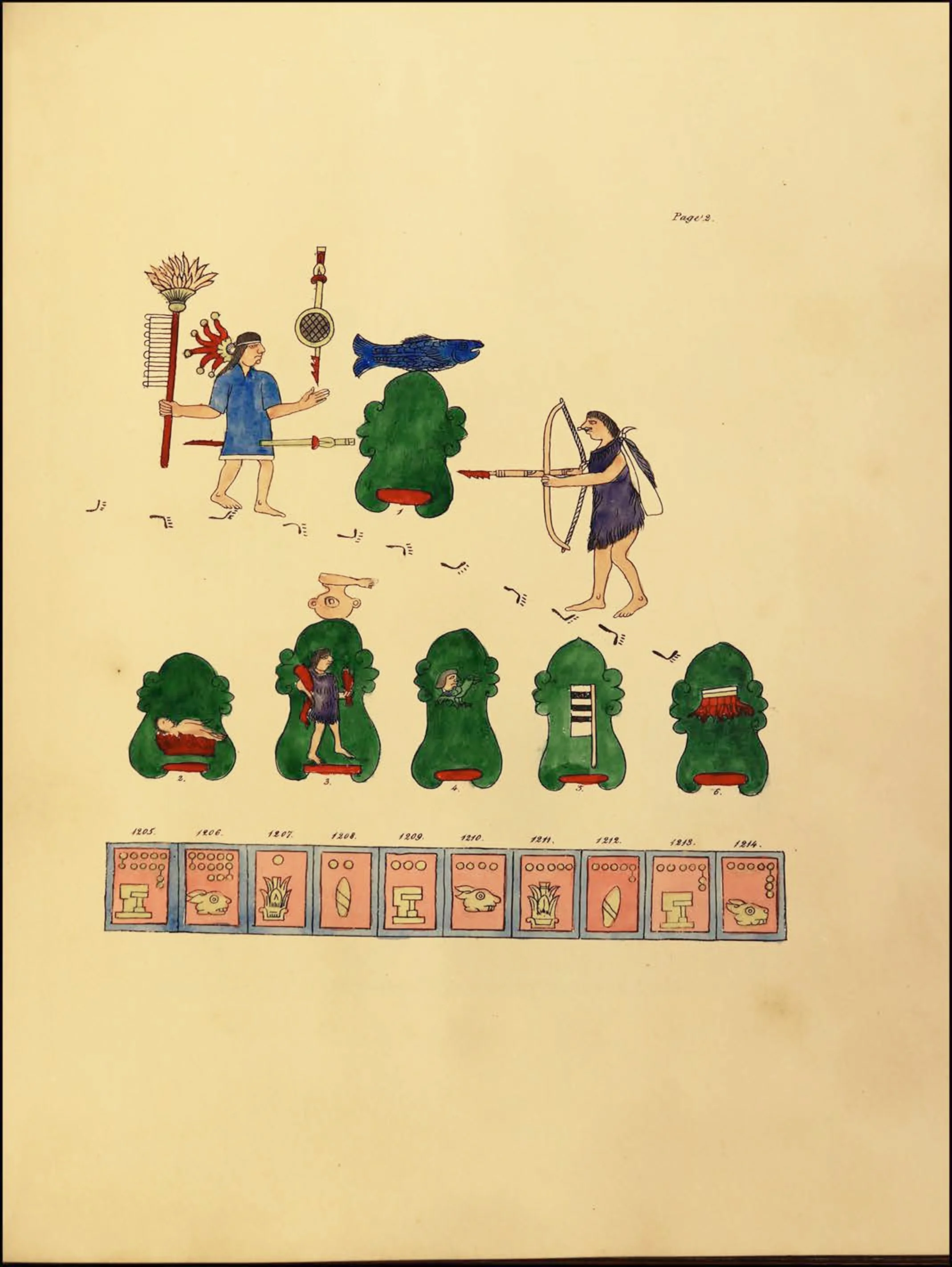
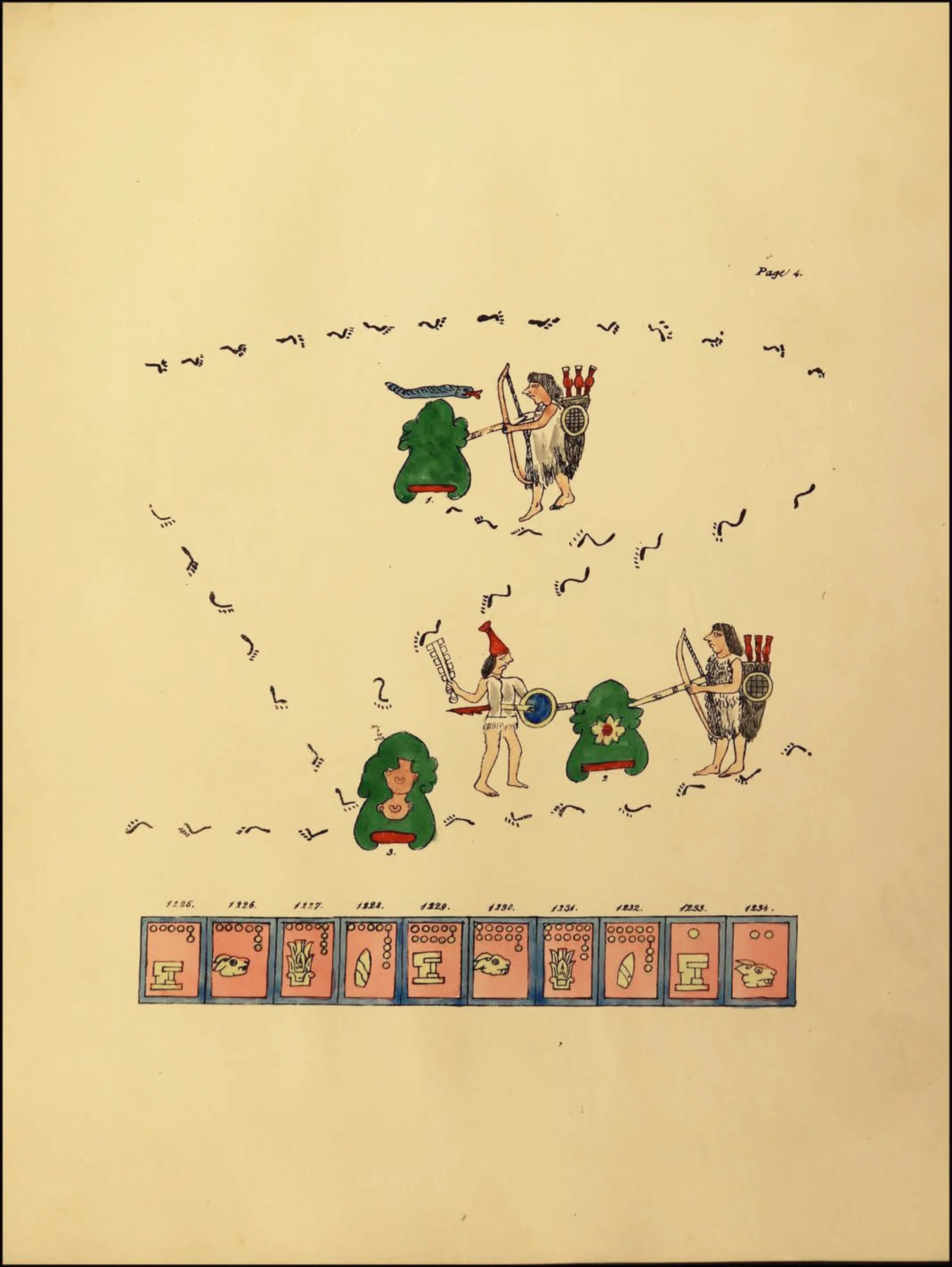
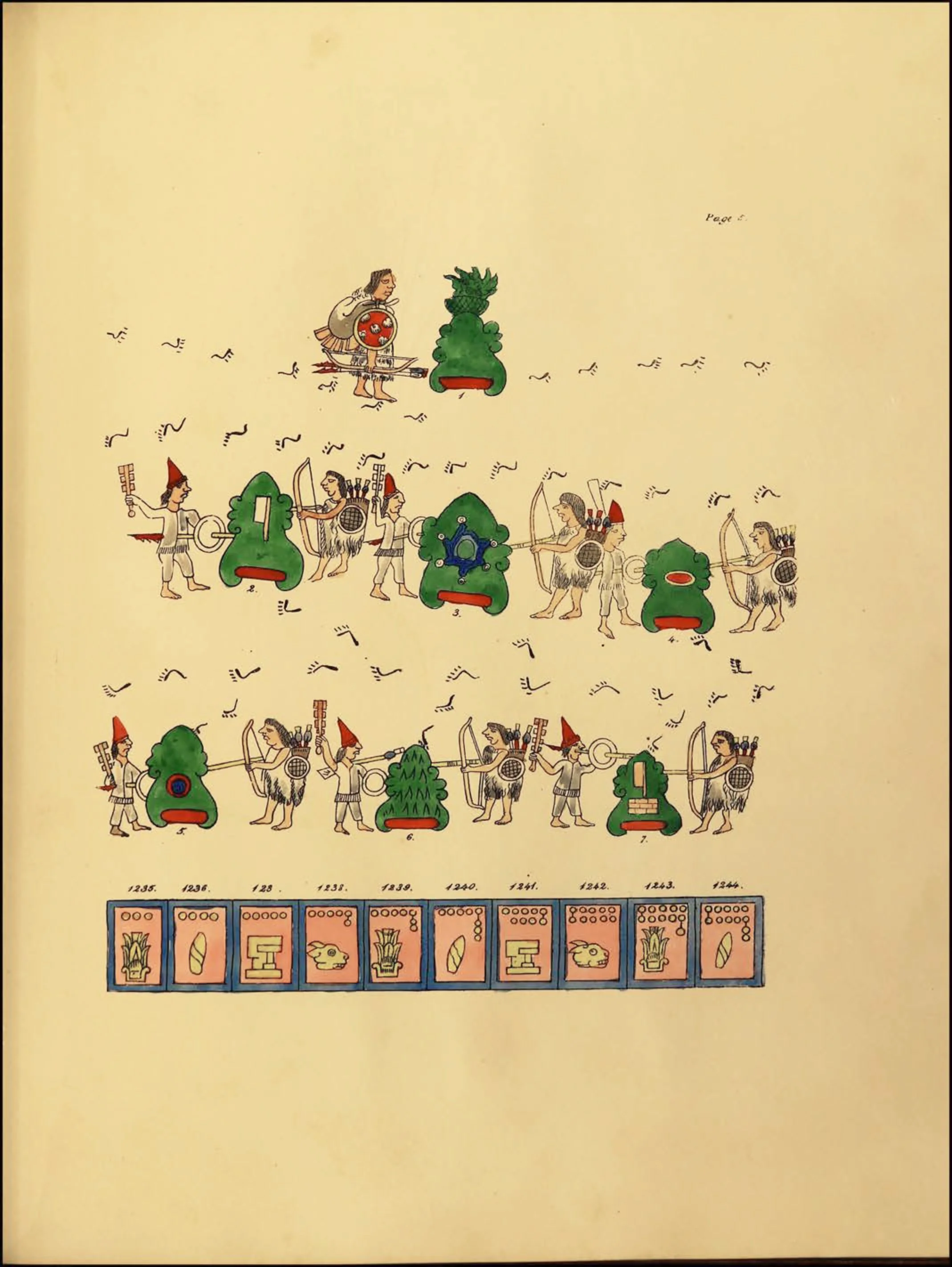
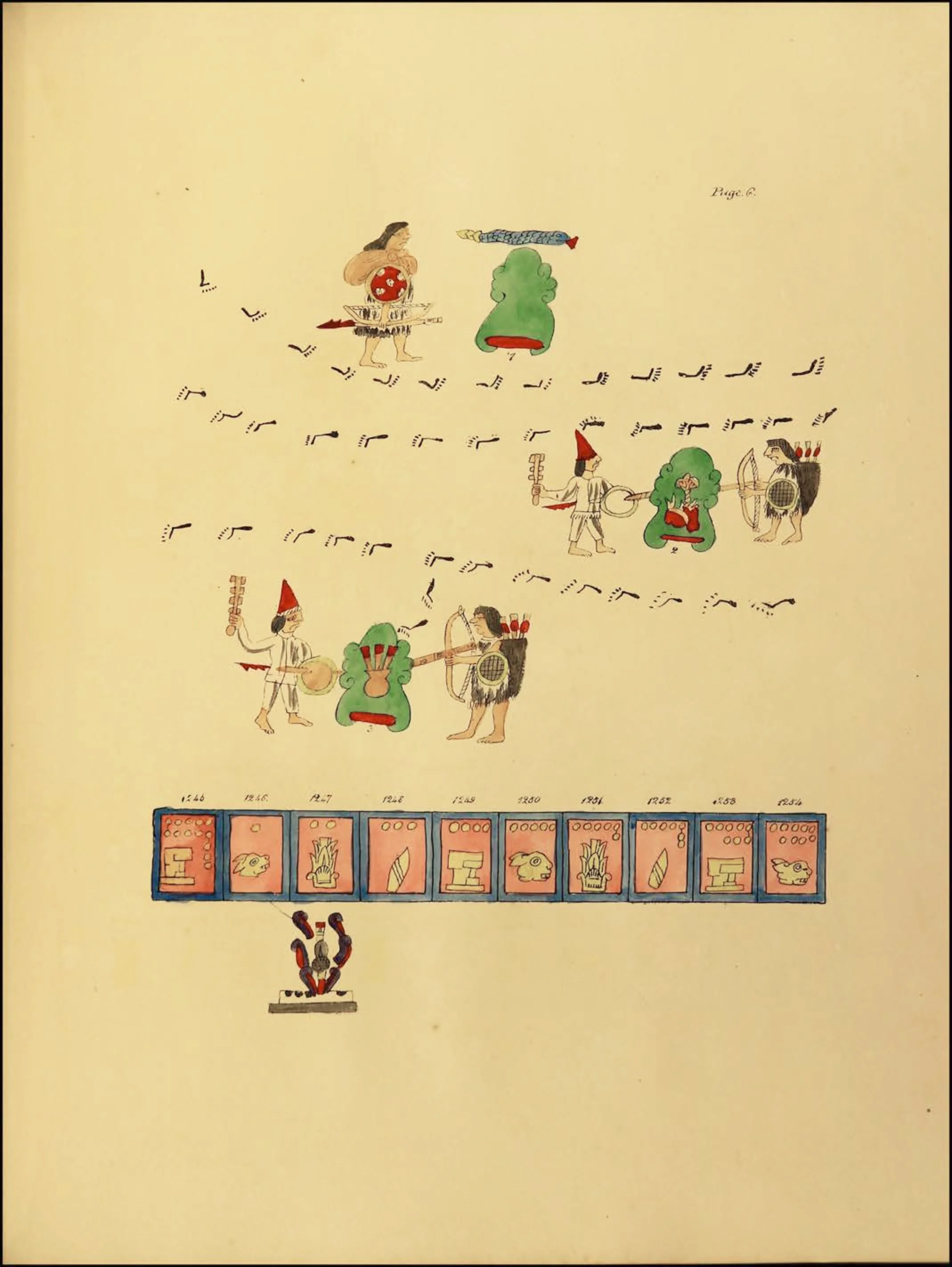
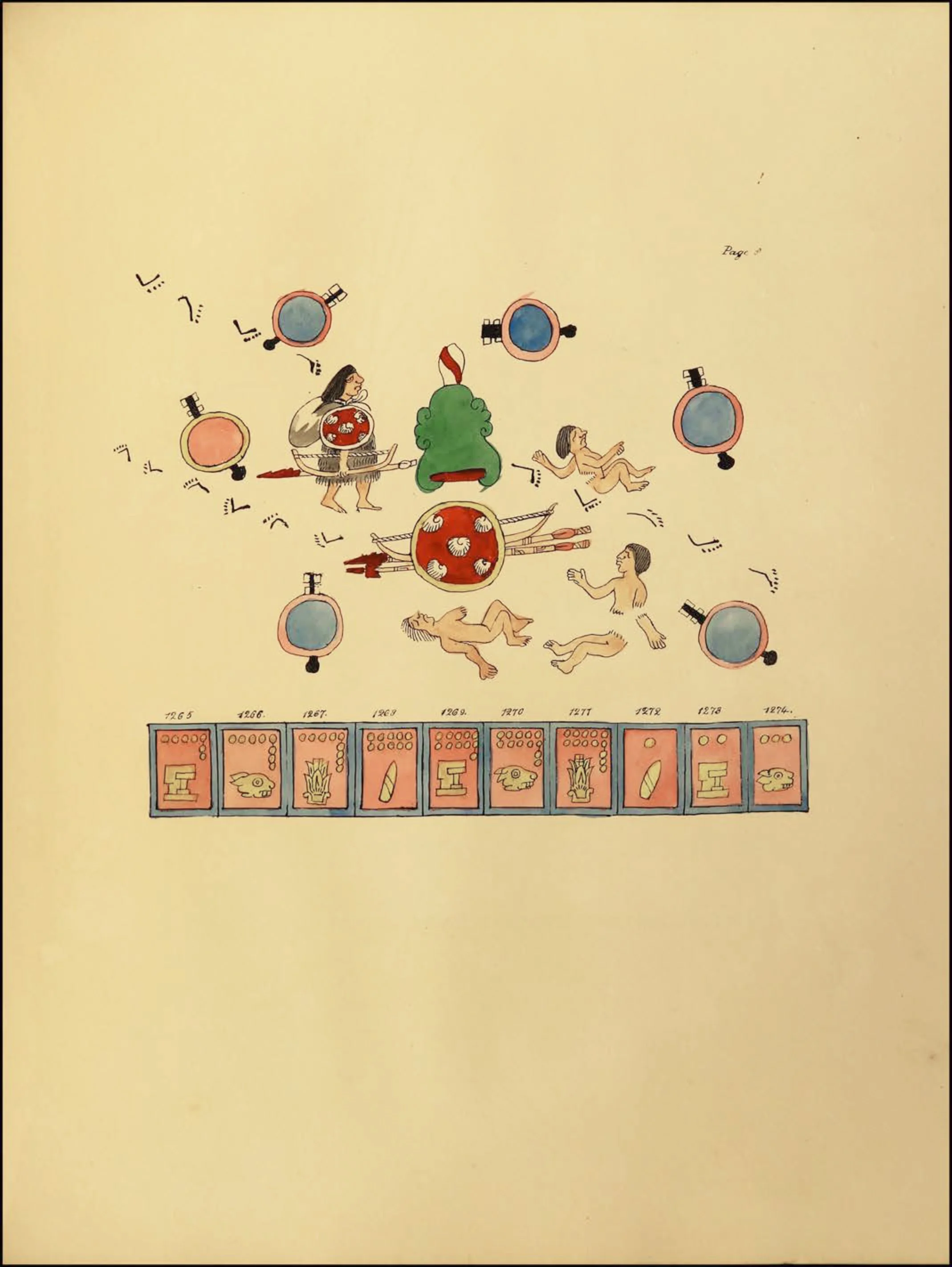
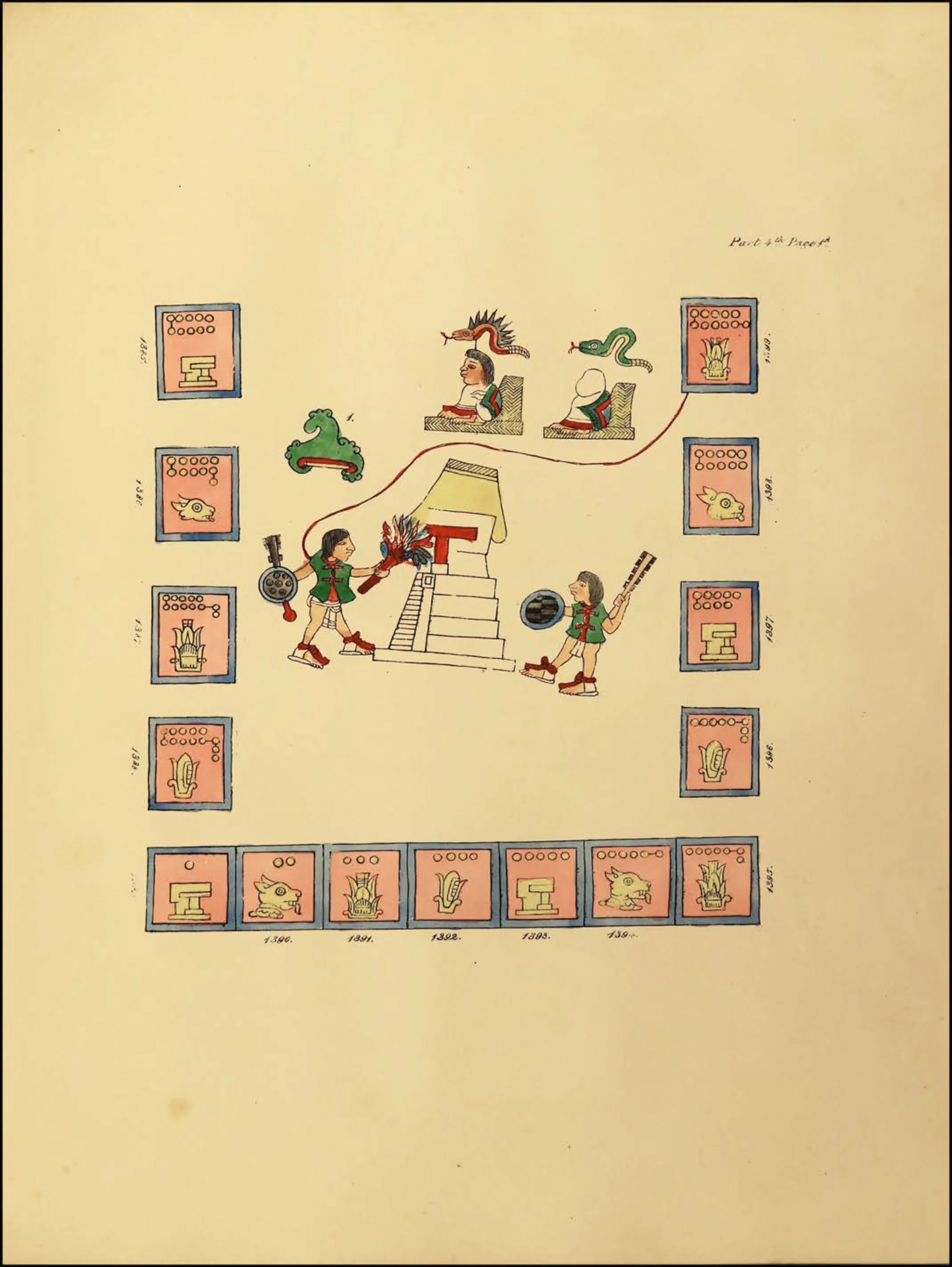
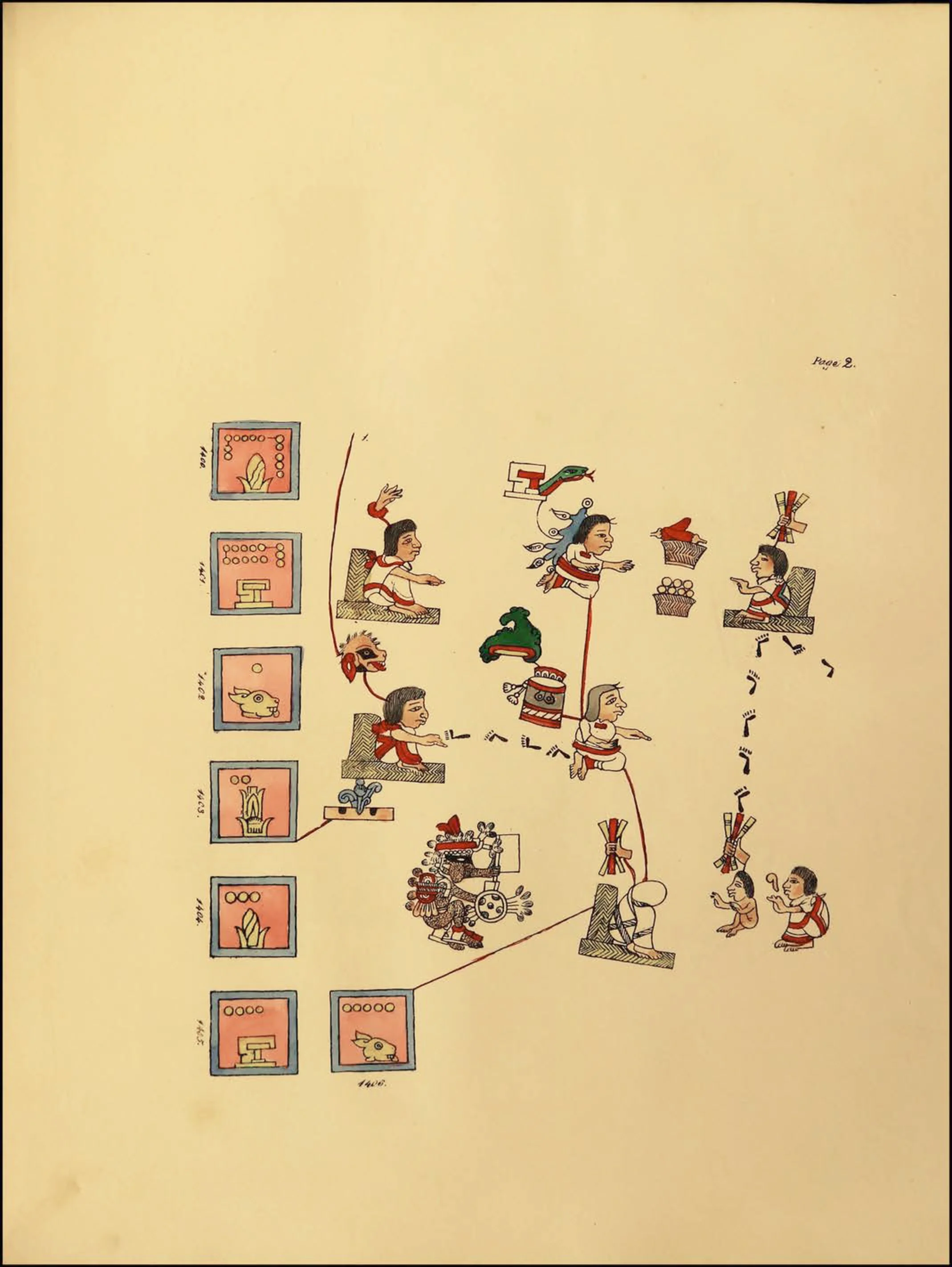
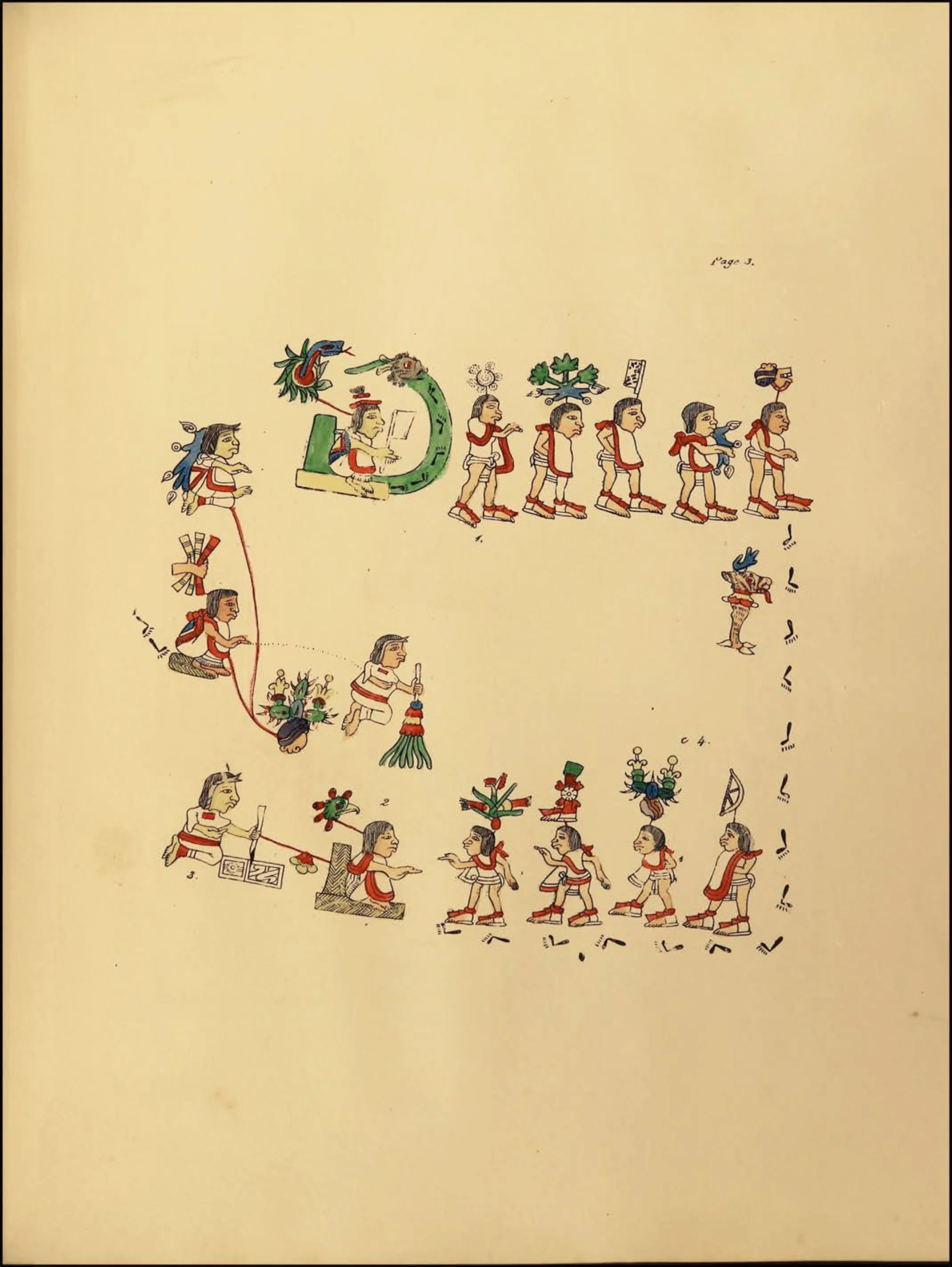
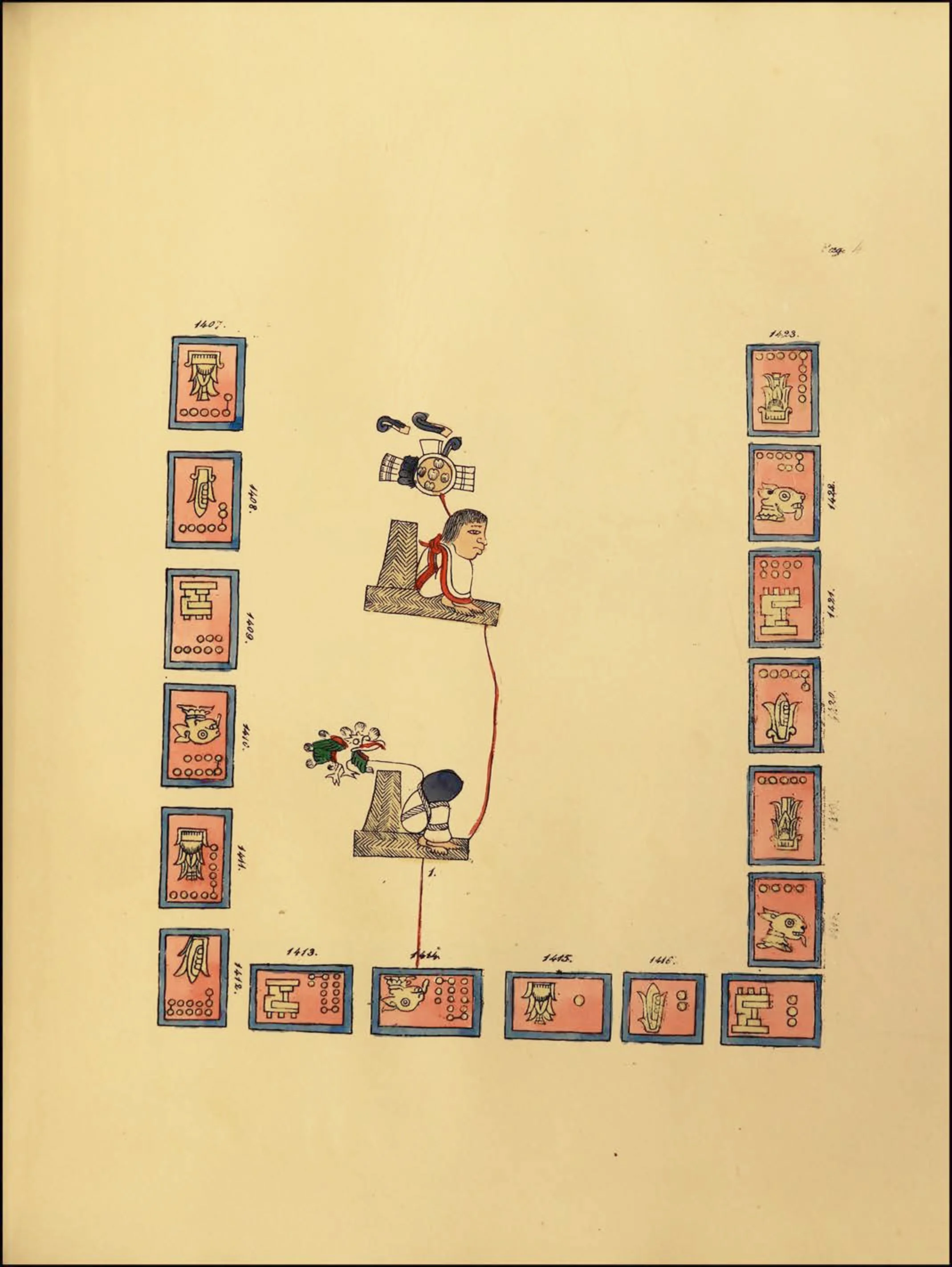
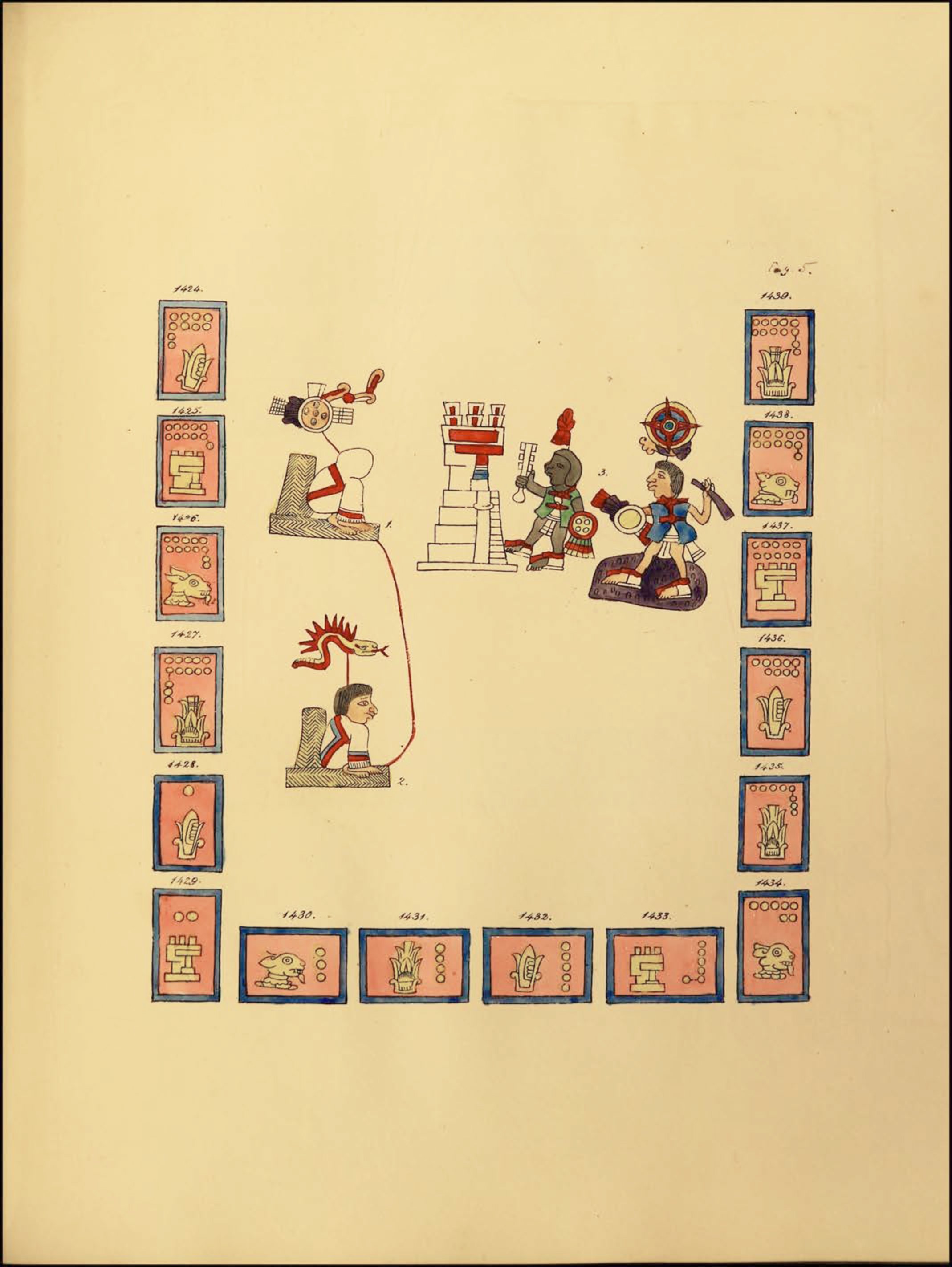
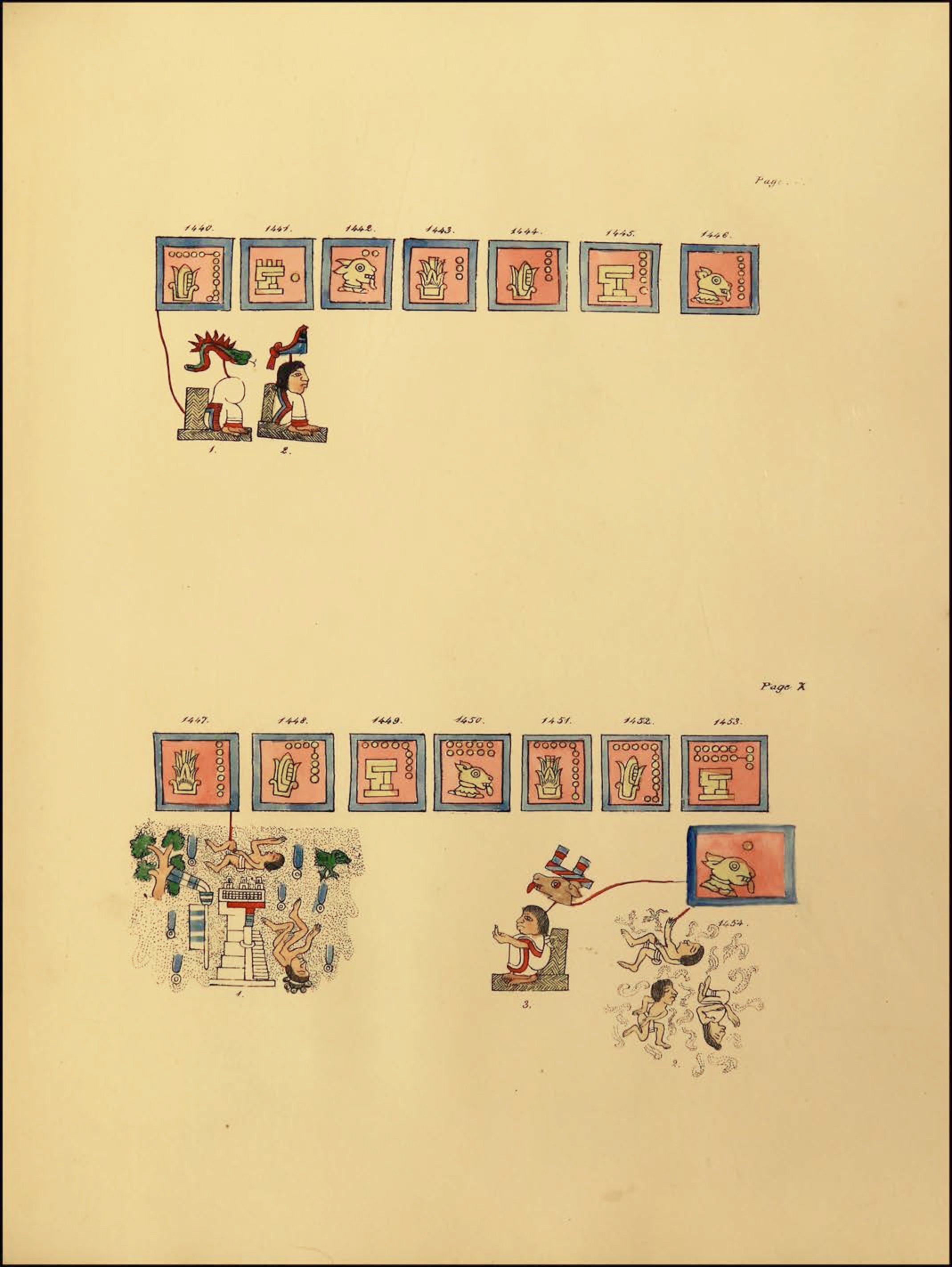
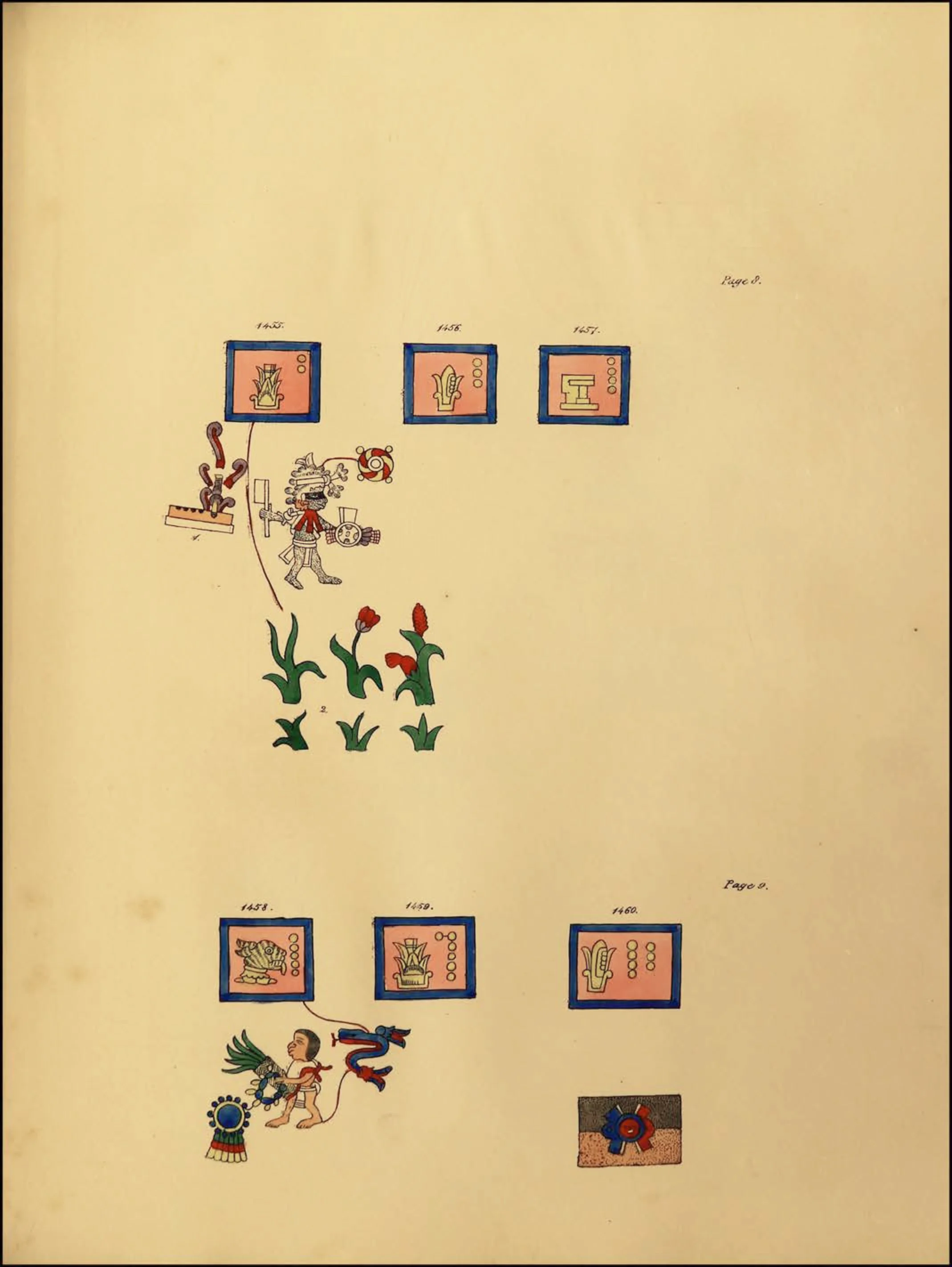
Facsimile of Codex Telleriano-Remensis, and digital copy of the original preserved in the collection of the Royal Library at Paris, now Bibliothèque nationale de France in Paris.
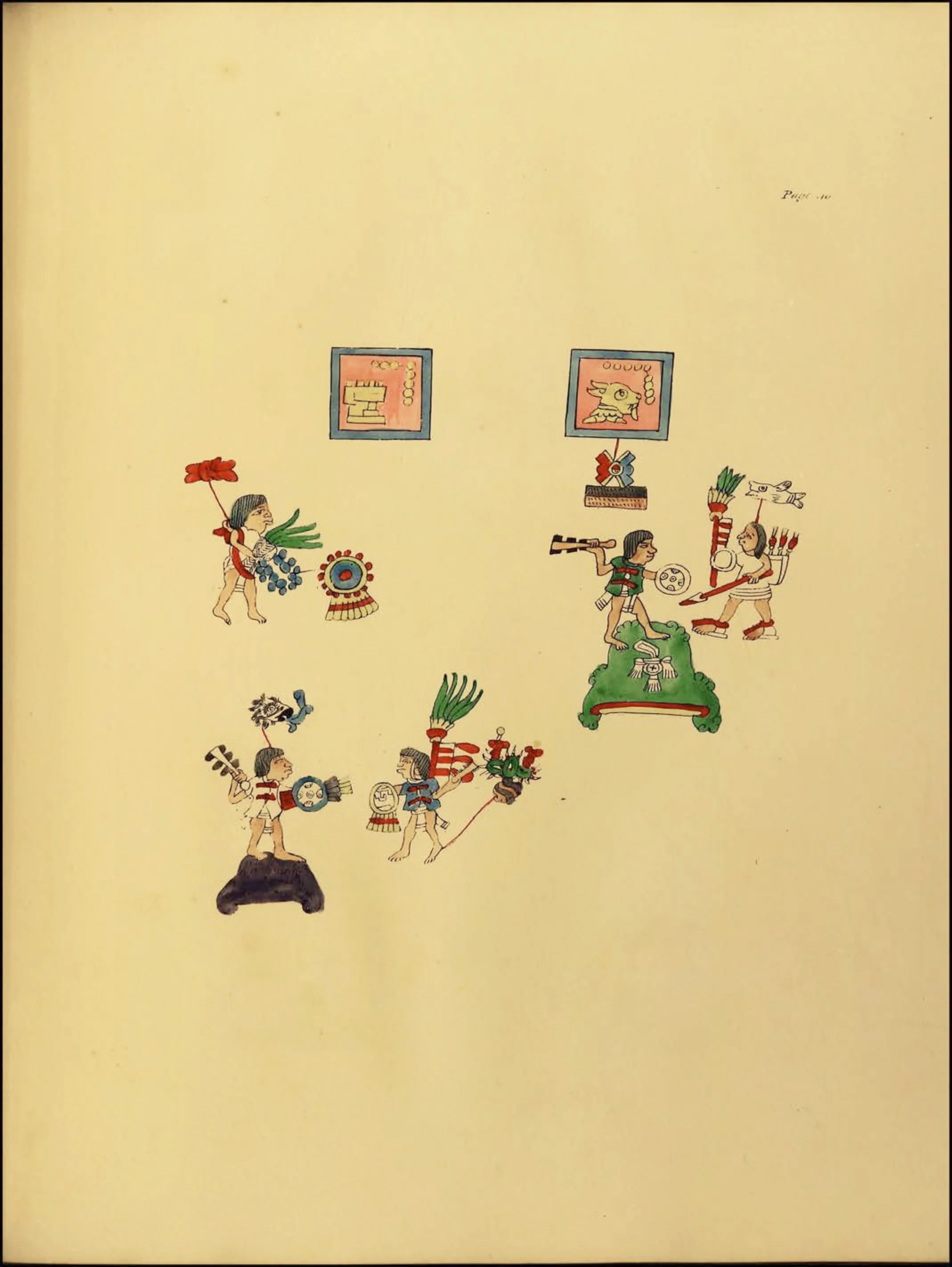
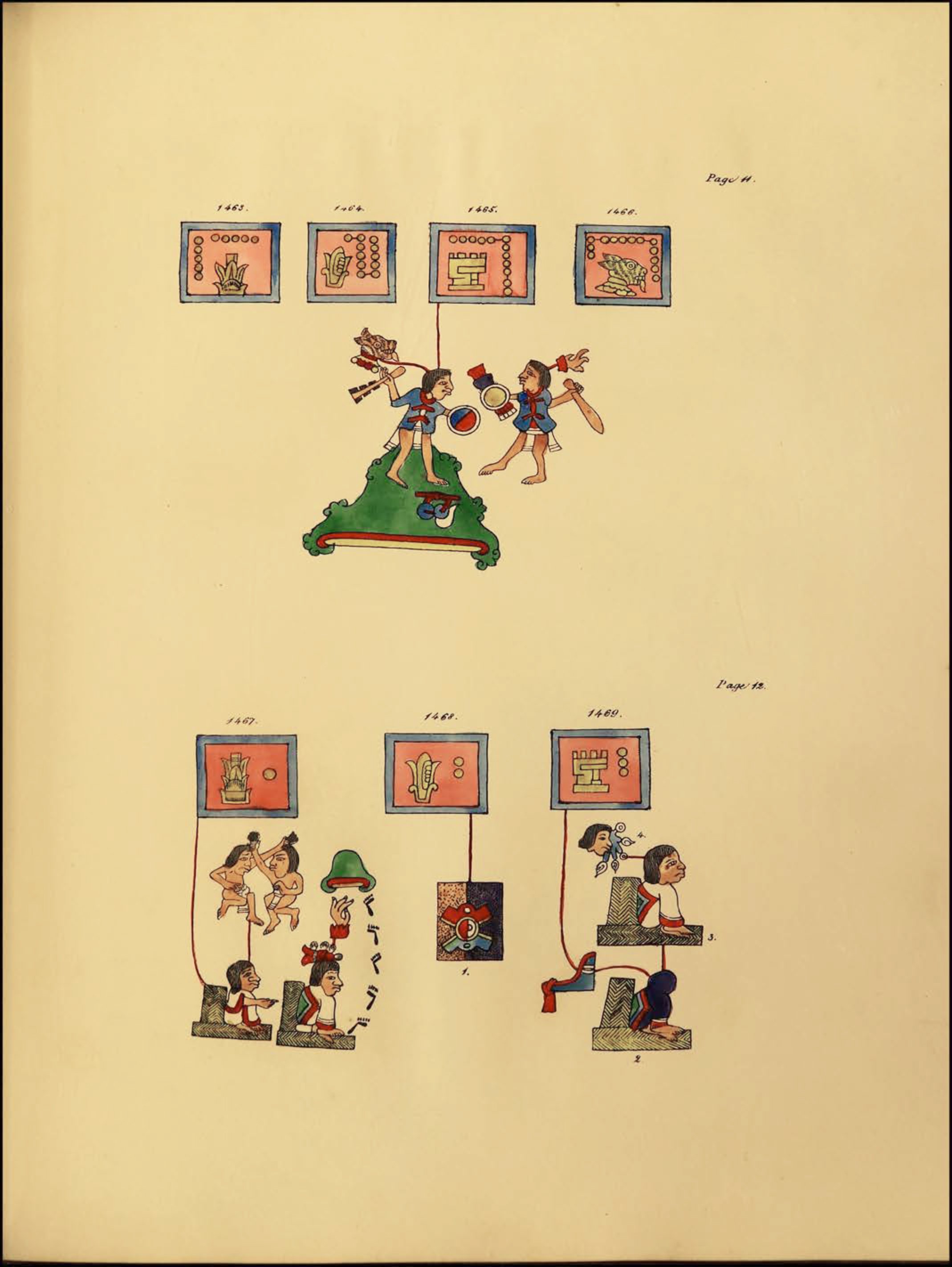
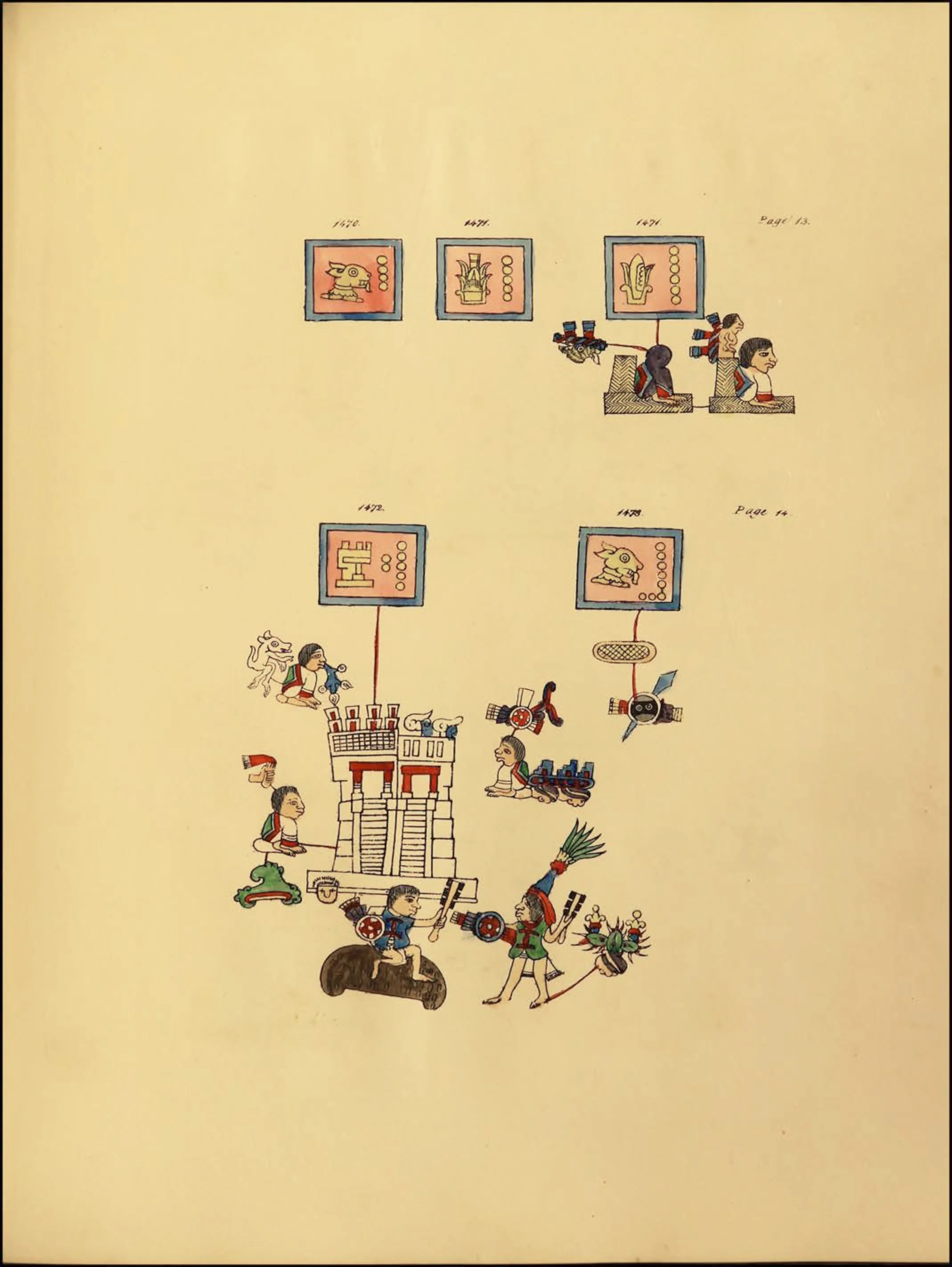
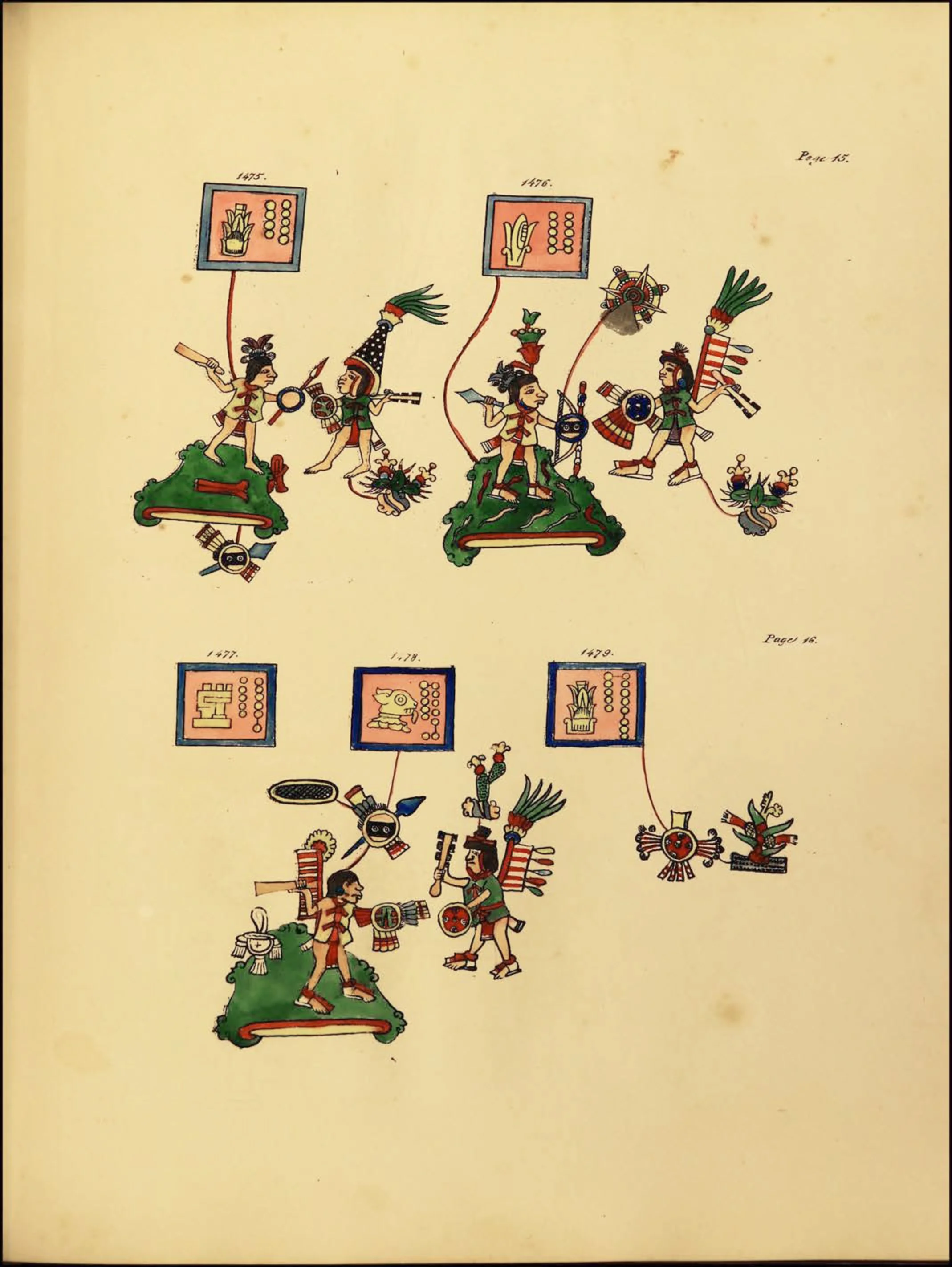
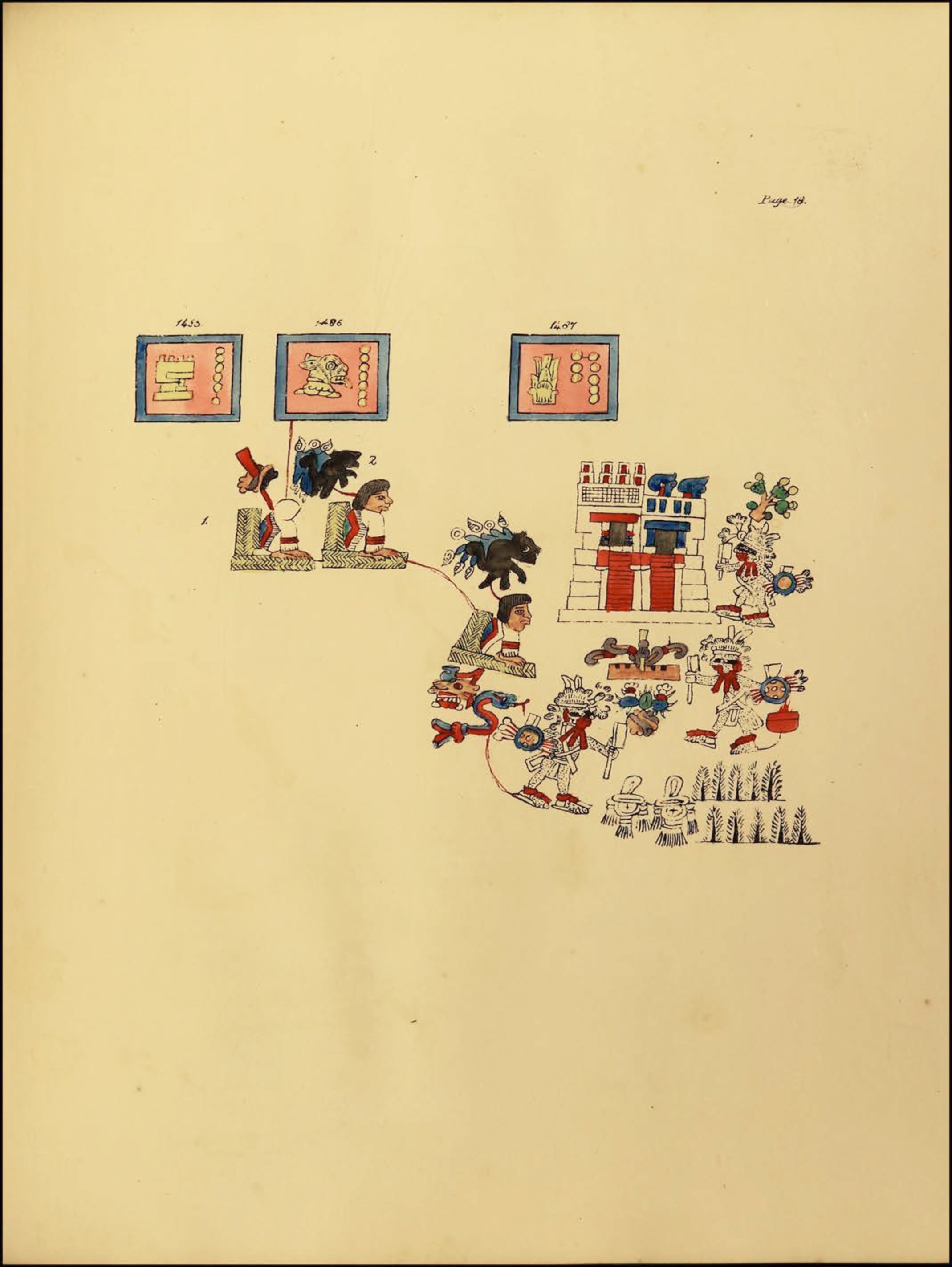
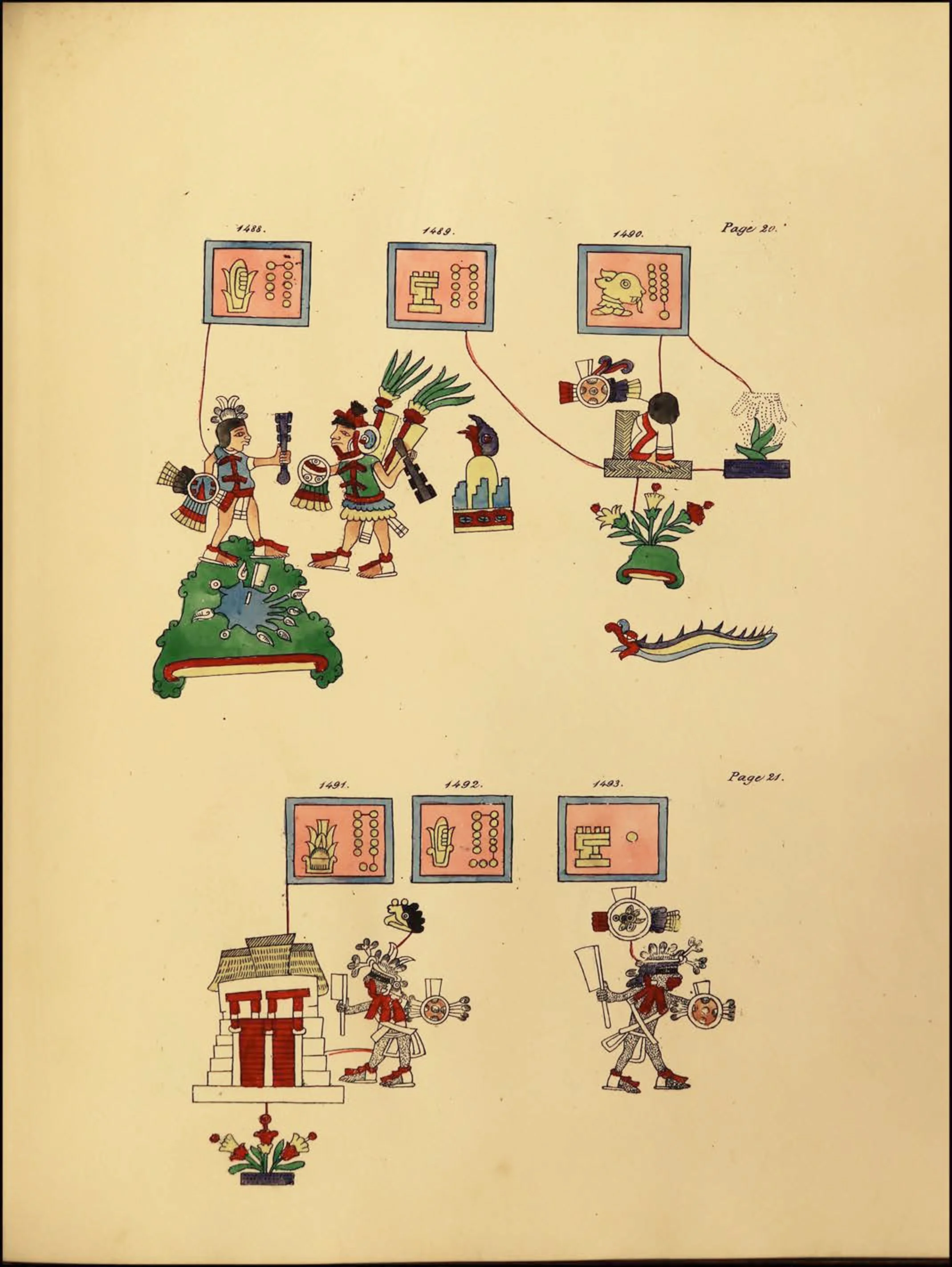
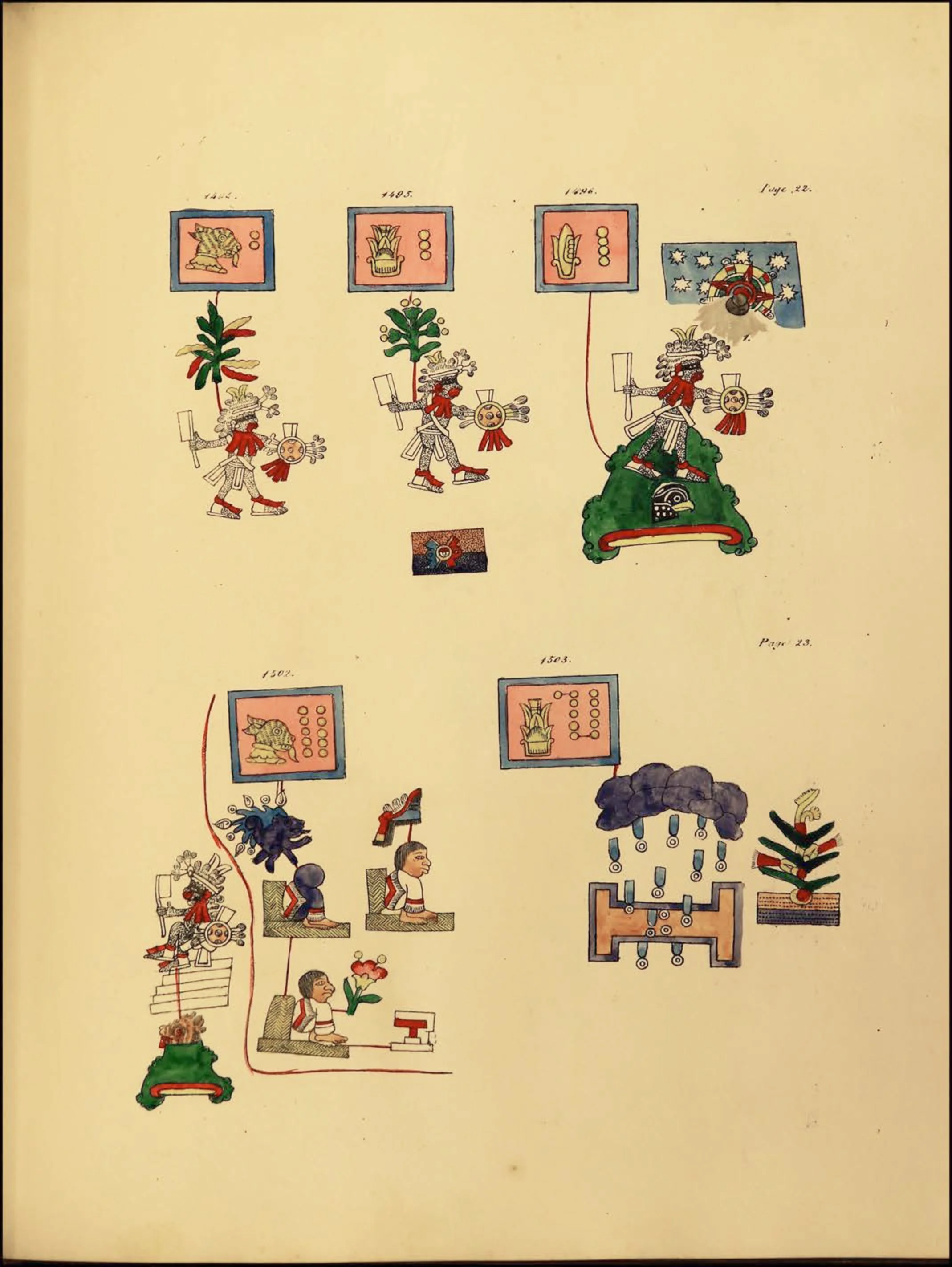
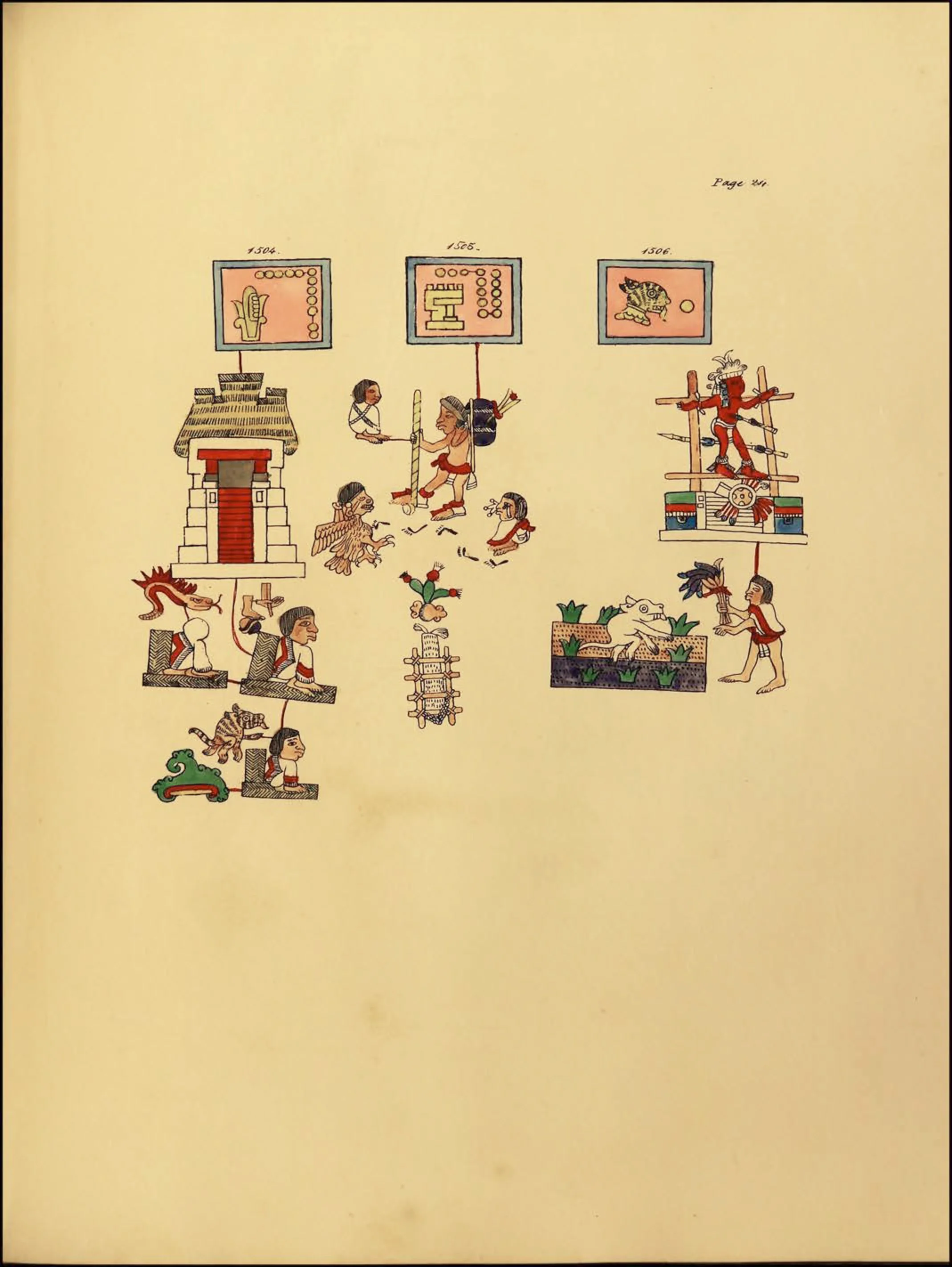
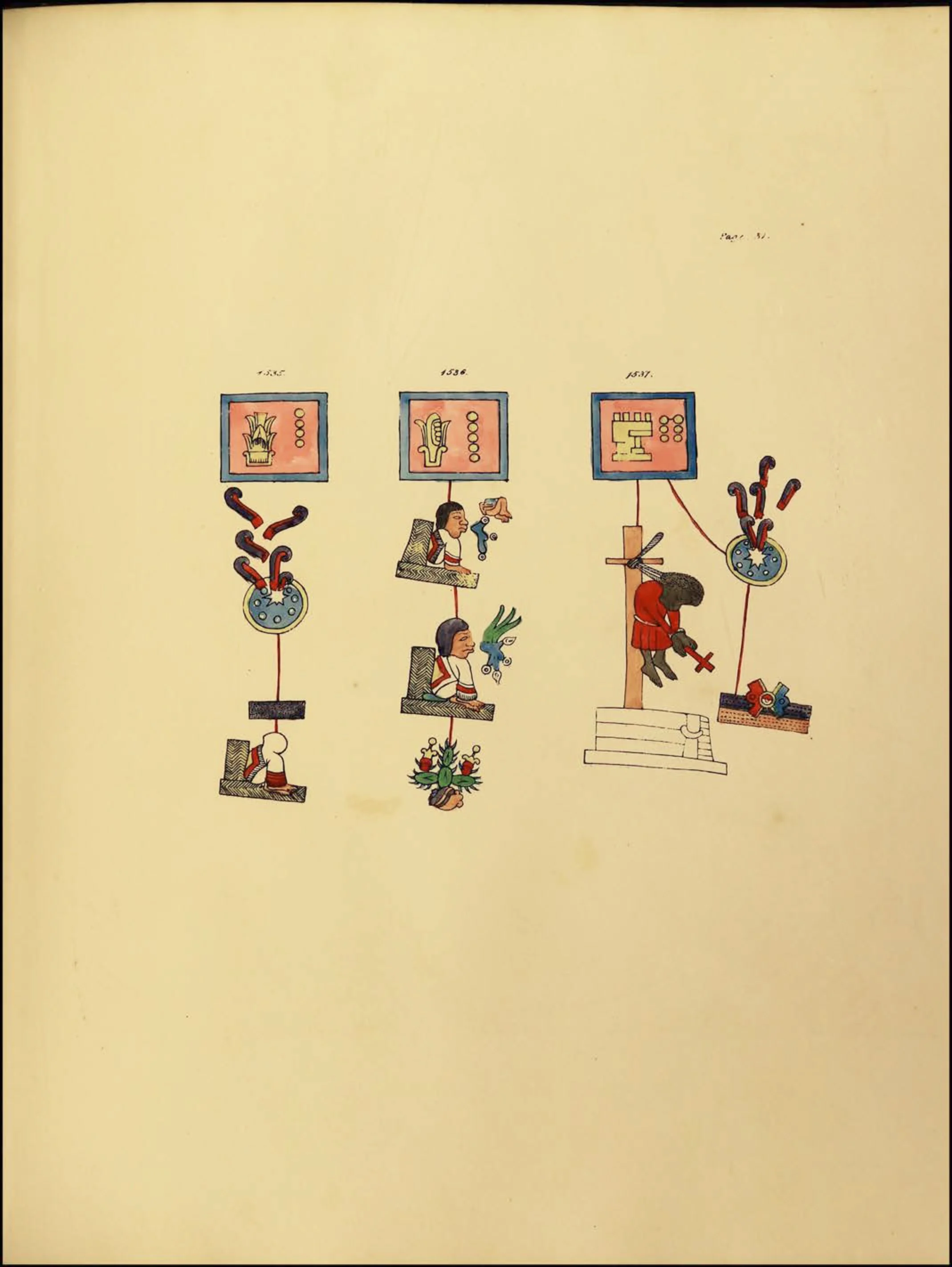
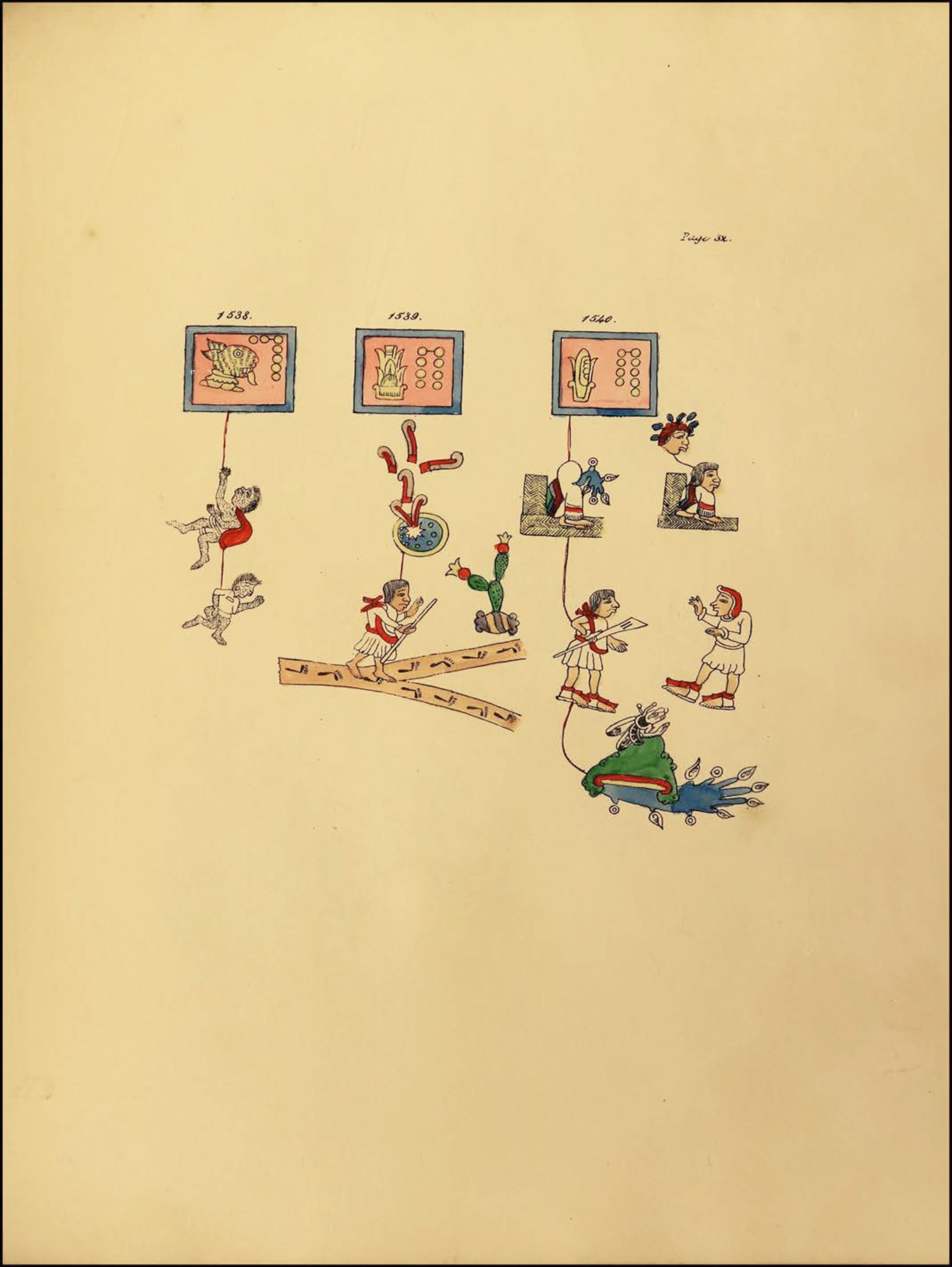
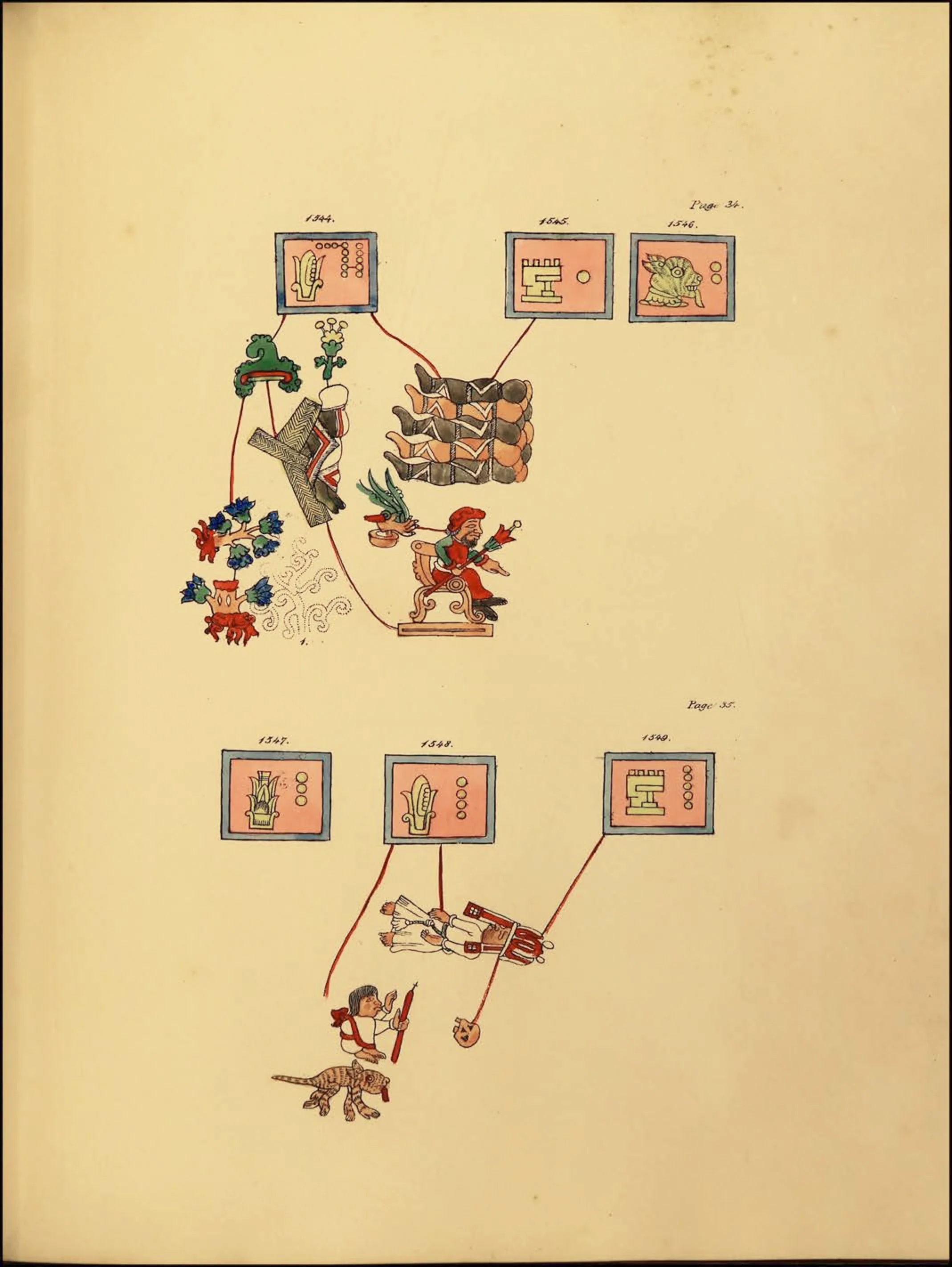
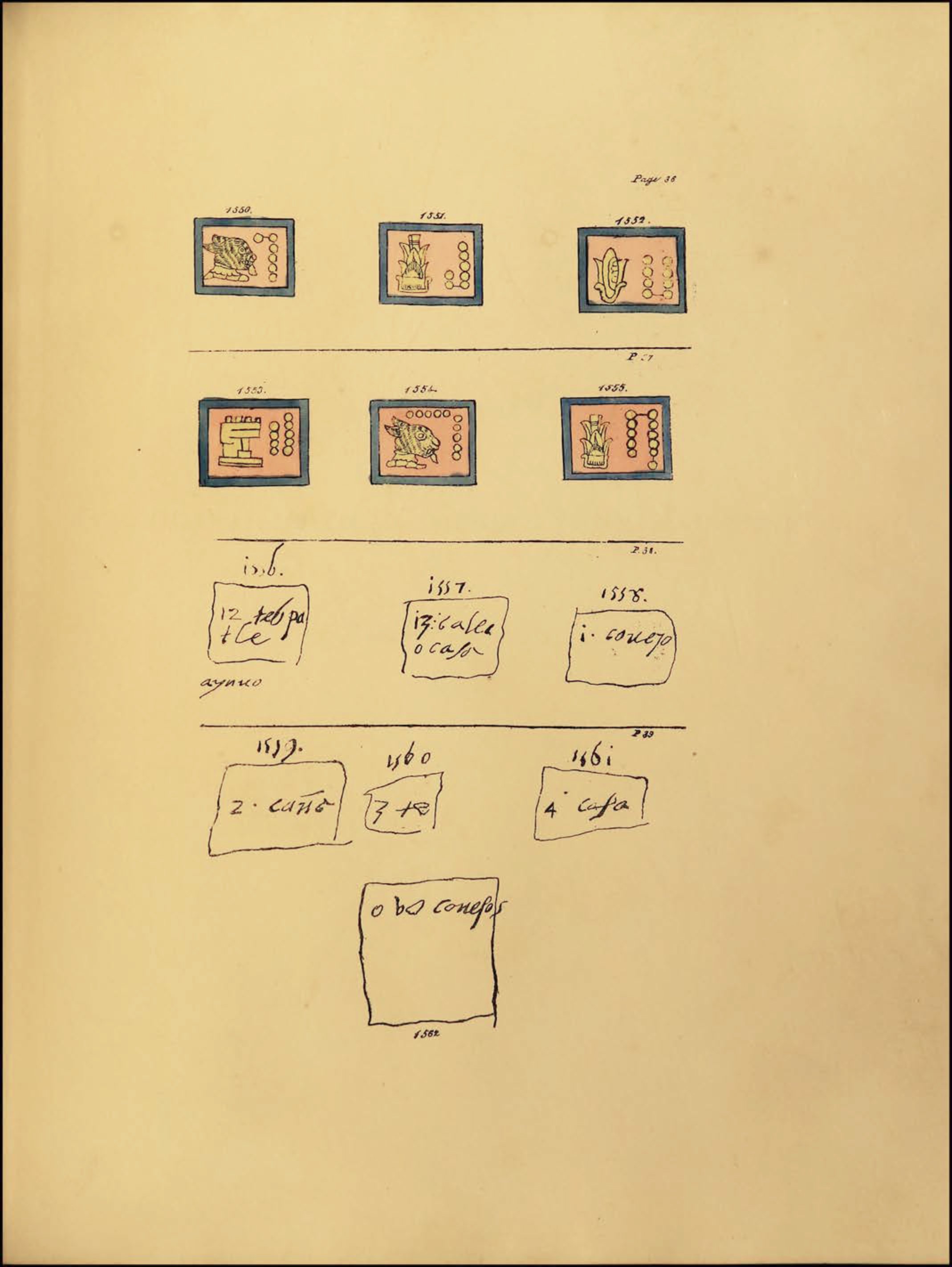
The original Codex is held at the Bibliothèque nationale de France in Paris. The Codex is reproduced as the Lord Kingsborough facsimile of the images, and as a digital copy of the original kept at Bibliothèque nationale de France in Paris.
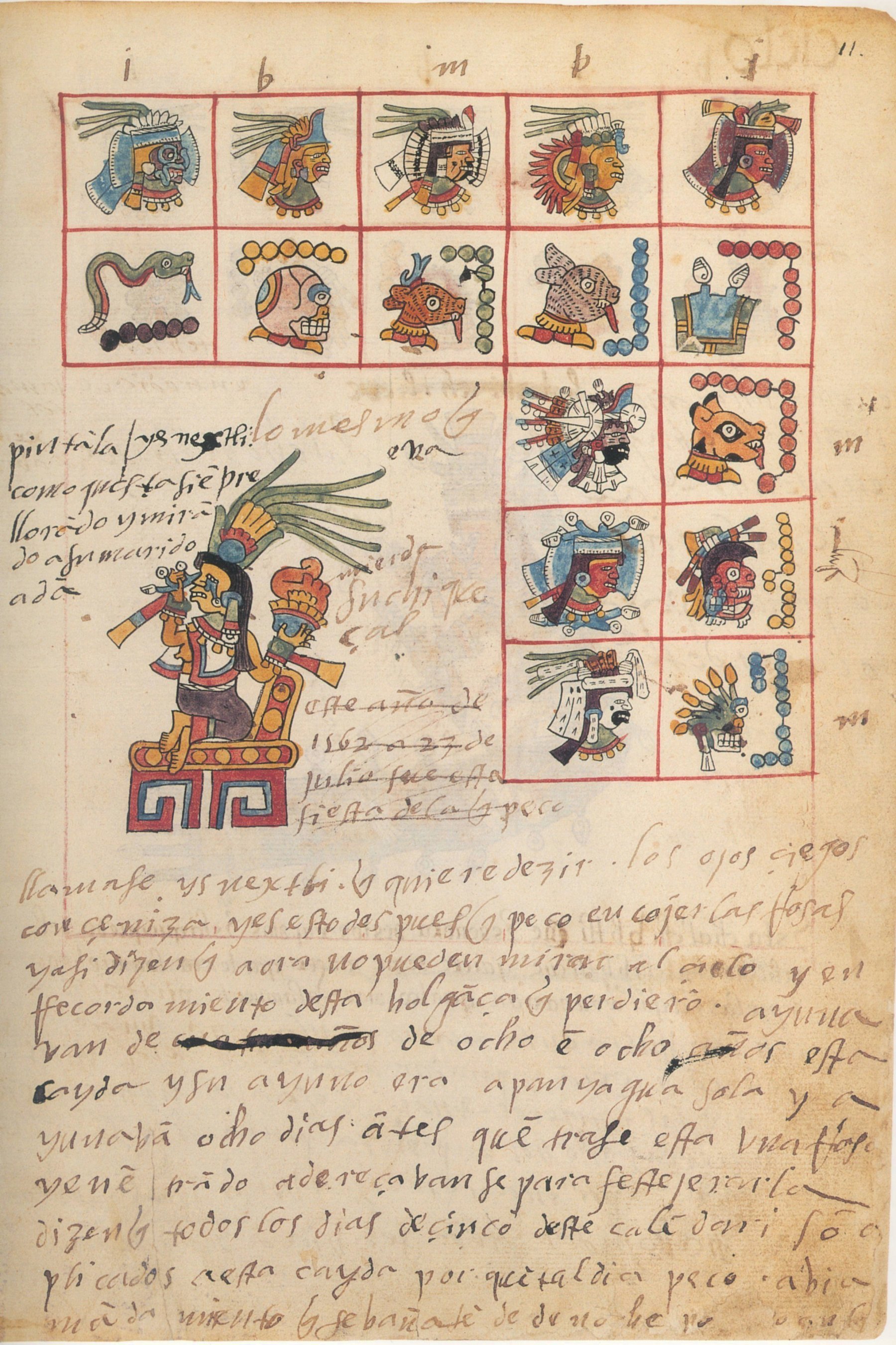
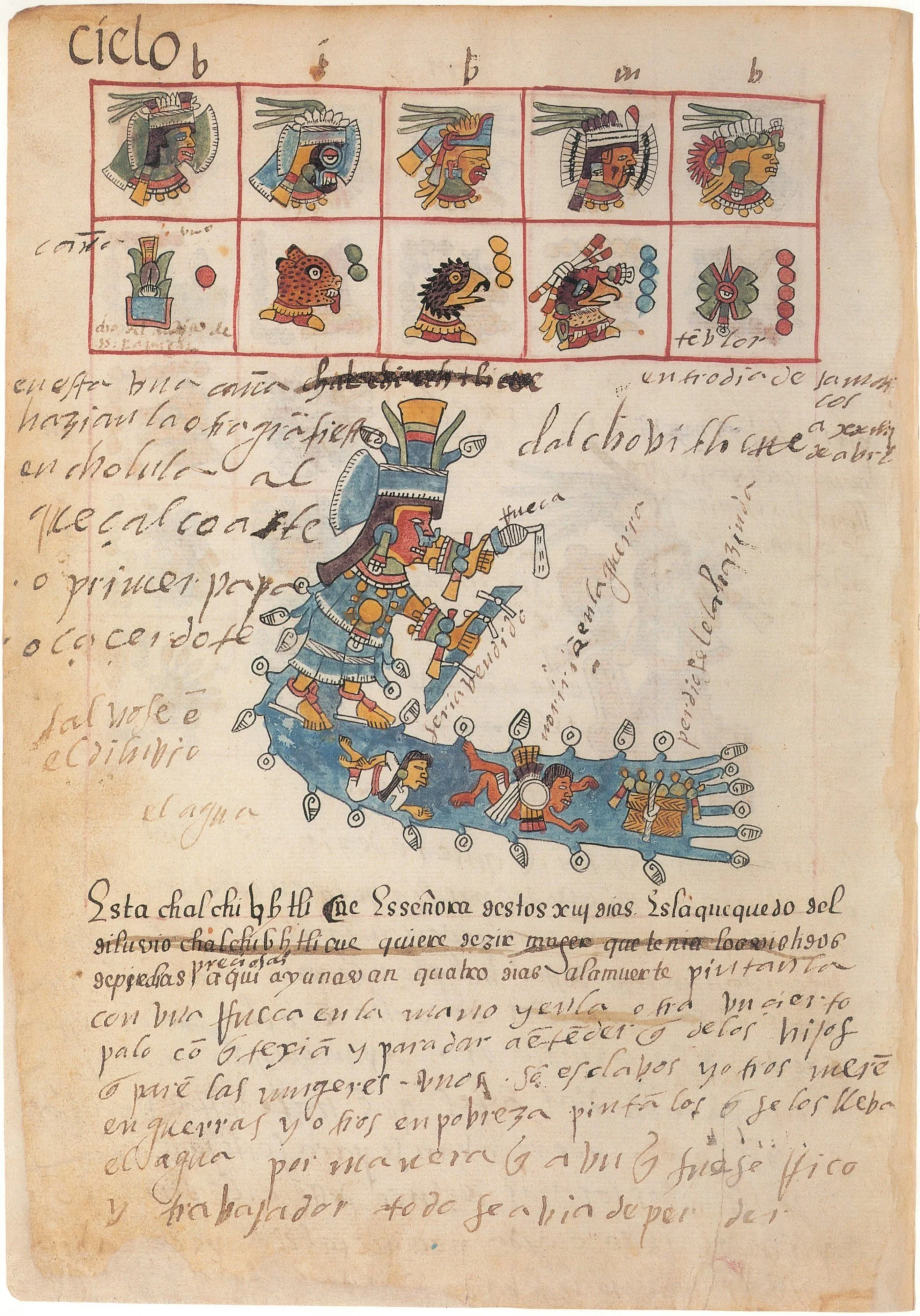
The Codex Telleriano-Remensis is divided into three sections.
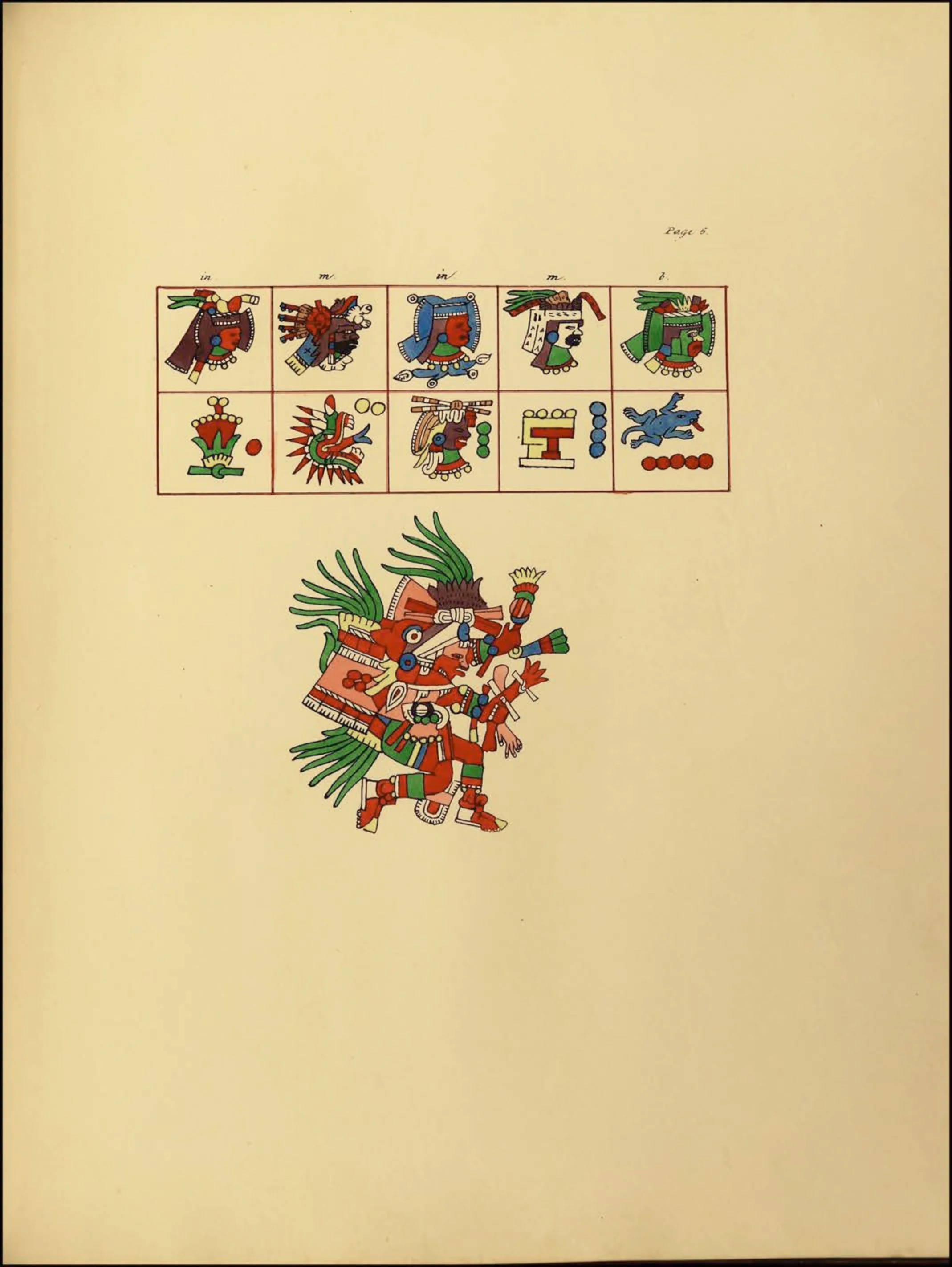
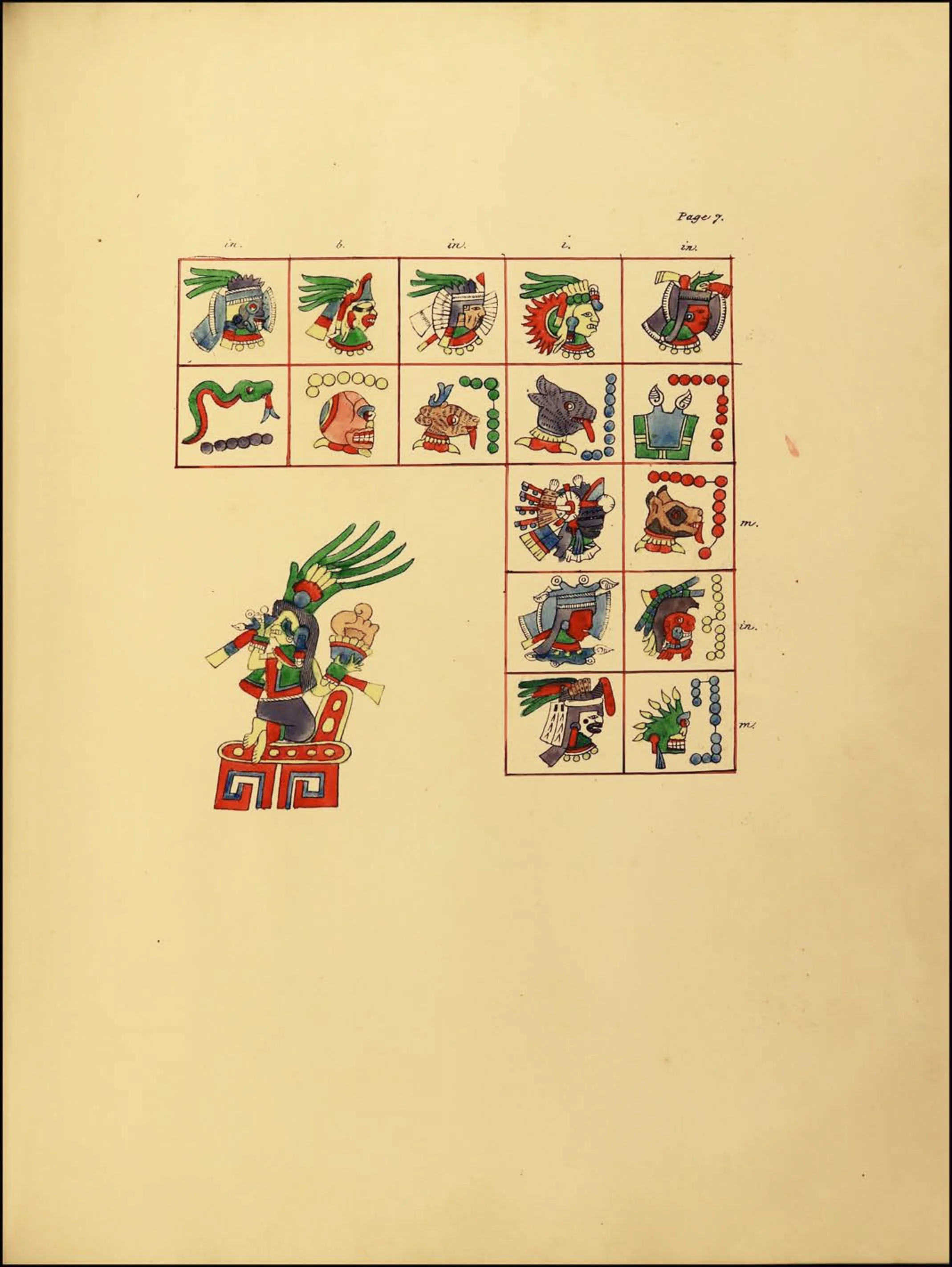
The first section, spanning the first seven pages, describes the 365-day solar calendar, called the xiuhpohualli.
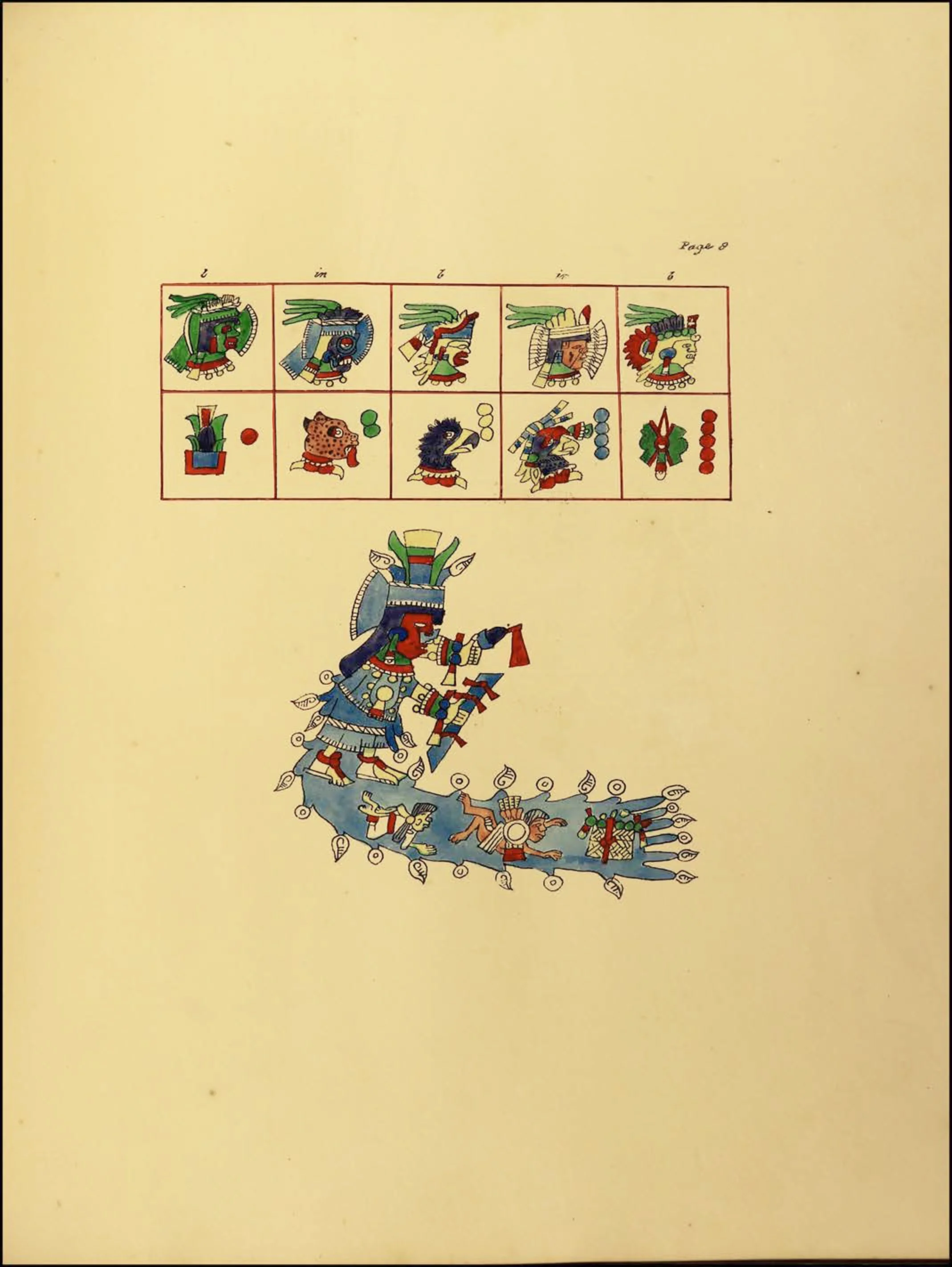
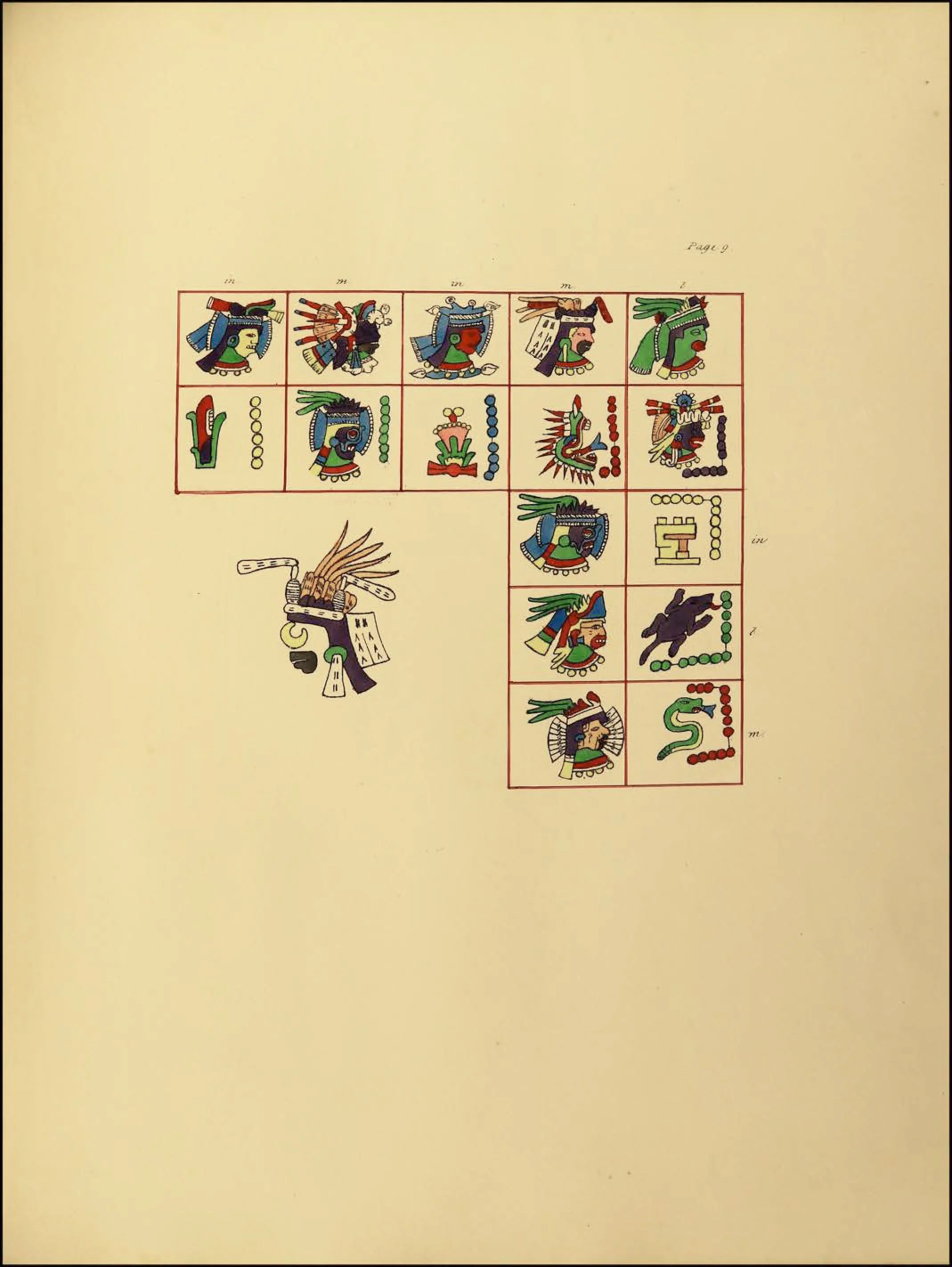
The second section, spanning pages 8 to 24, is a tonalamatl, describing the 260-day tonalpohualli calendar.
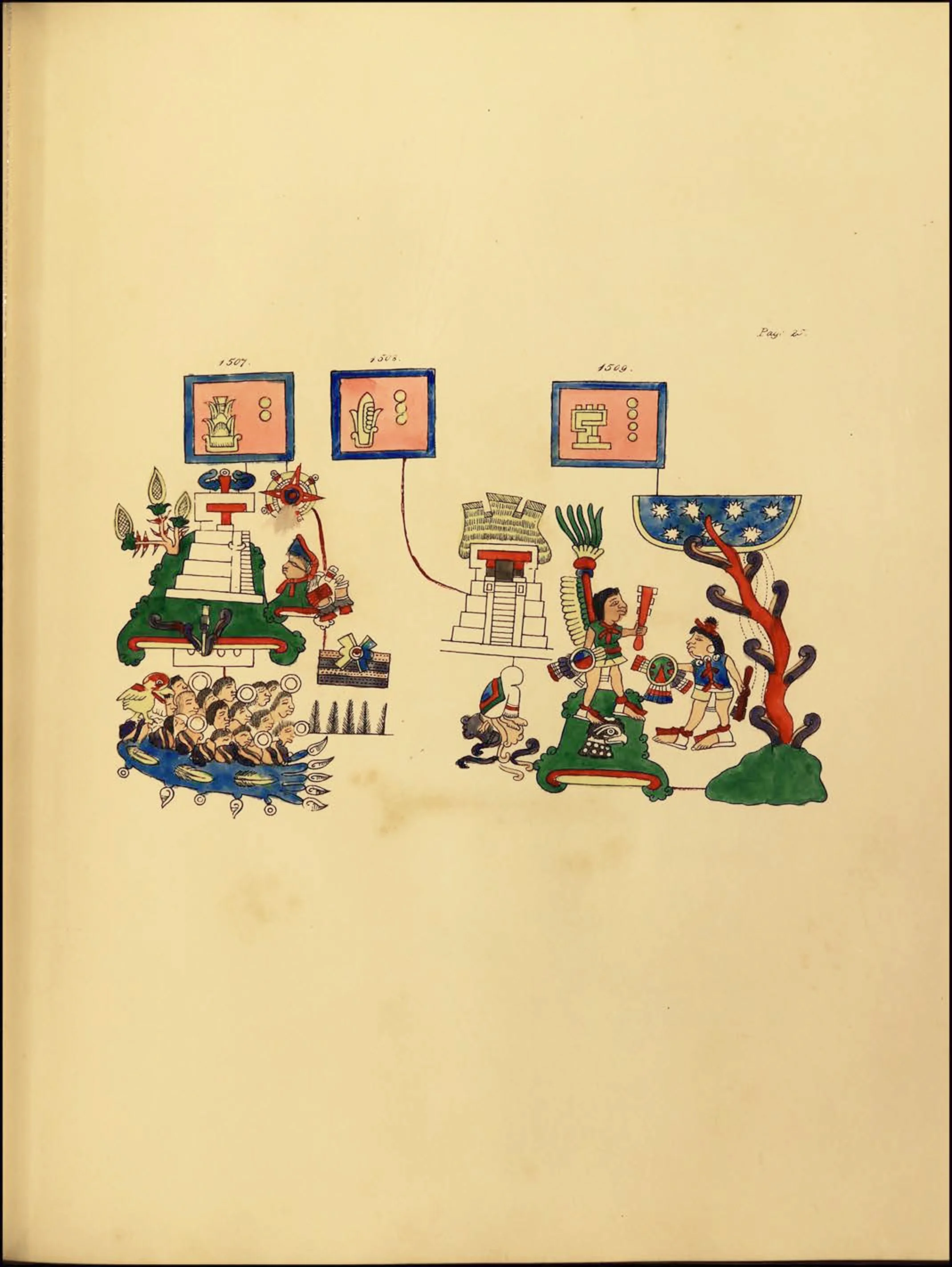
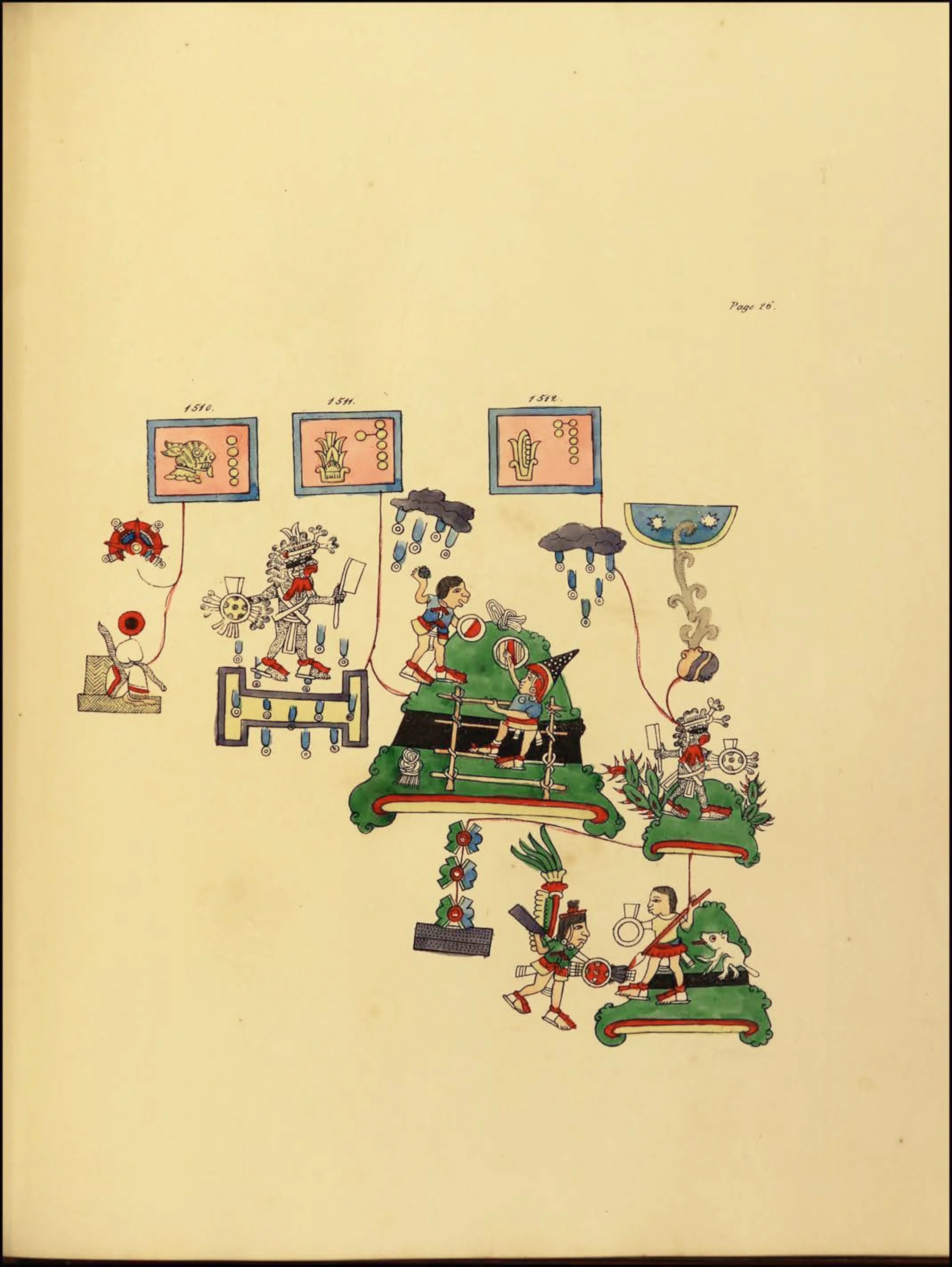
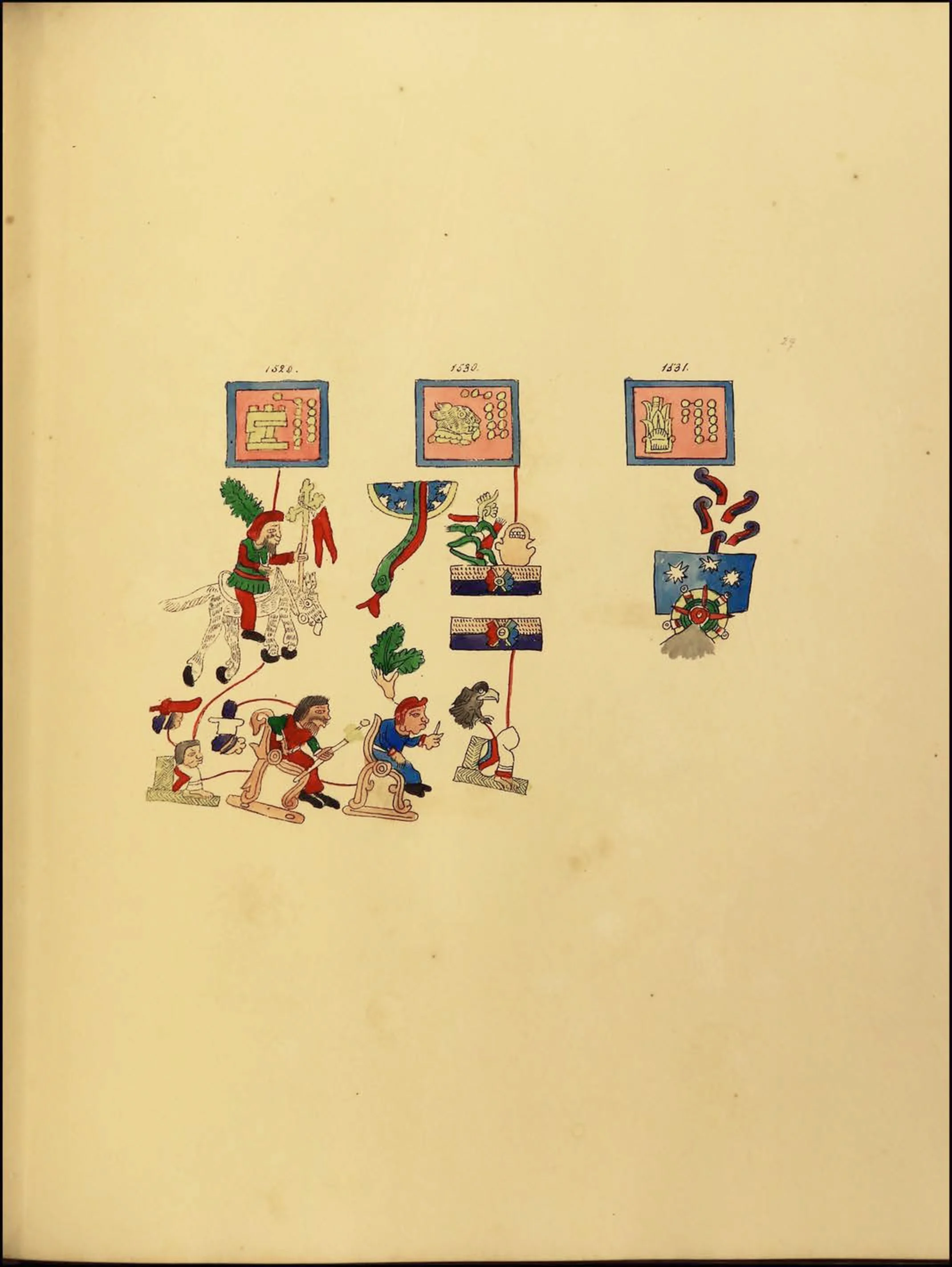
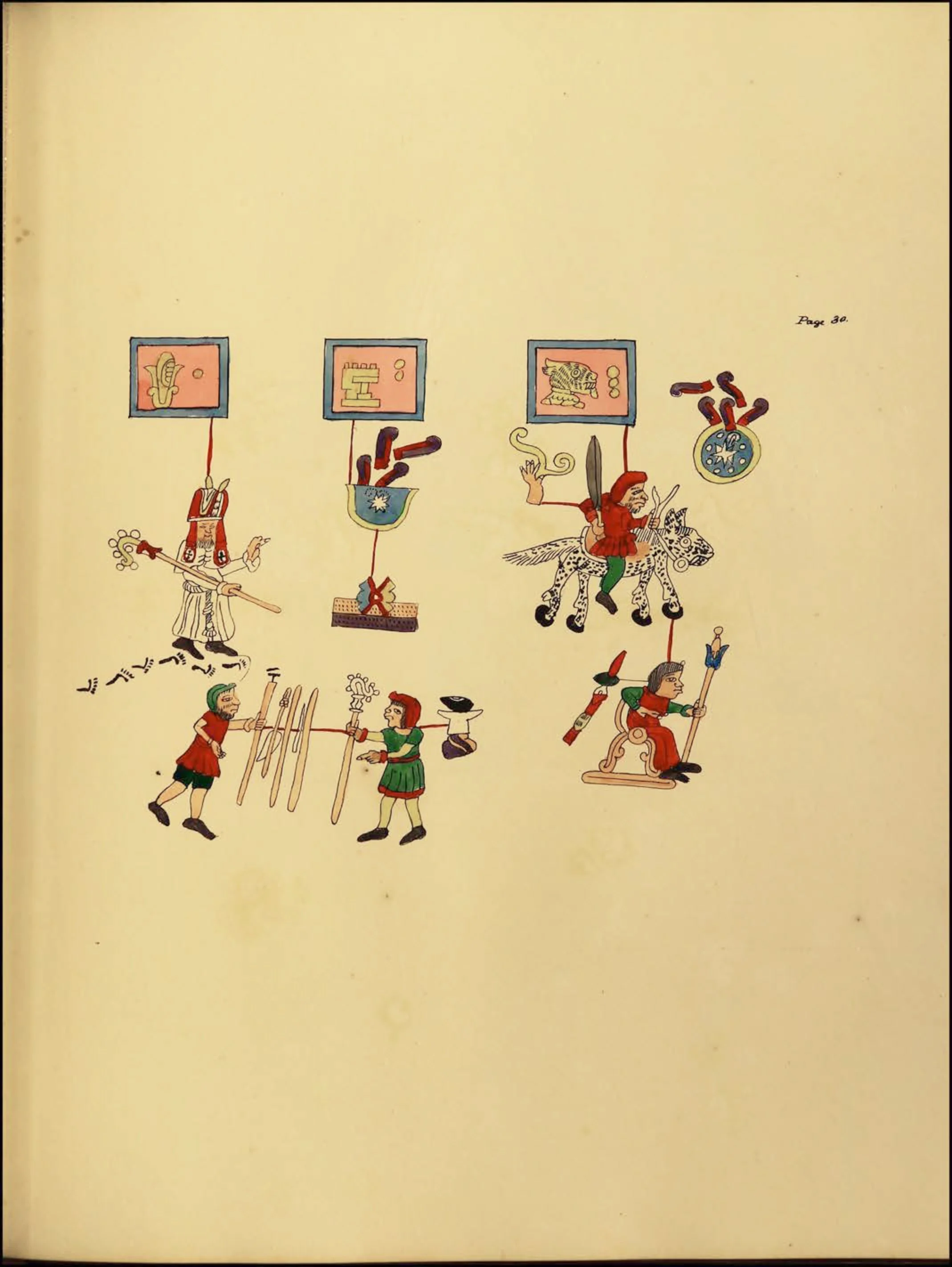
The third section is a history, itself divided into two sections which differ stylistically, an account of migrations during the 12th and 13th centuries, while the remaining pages of the codex record historical events, such as the ascensions and deaths of rulers, battles, earthquakes, and eclipses, from the 14th century to the 16th century.
Produced in sixteenth century Mexico on European paper. Its name comes from Charles-Maurice Le Tellier, archbishop of Reims, who had possession of the manuscript in the late 17th century.
Codice Telleriano-Remensis
Facsímil del Codice Telleriano-Remensis y copia digital del original conservado en la colección de la Biblioteca Real de París, ahora Bibliothèque nationale de France en París.
El Codex original se encuentra en la Bibliothèque nationale de France en París. El Codex se reproduce como el facsímil de las imágenes de Lord Kingsborough, y como una copia digital del original que se conserva en la Bibliothèque nationale de France en París. El Codex Telleriano-Remensis se divide en tres secciones.
La primera sección, que abarca las primeras siete páginas, describe el calendario solar de 365 días, llamado xiuhpohualli.
La segunda sección, que abarca las páginas 8 a 24, es un tonalamatl, que describe el calendario tonalpohualli de 260 días.
La tercera sección es una historia, a su vez dividida en dos secciones que difieren estilísticamente, un relato de las migraciones durante los siglos XII y XIII, mientras que las páginas restantes del códice registran eventos históricos, como las ascensiones y muertes de gobernantes, batallas, terremotos , y eclipses, del siglo XIV al siglo XVI.
Producida en el México del siglo XVI en papel europeo. Su nombre proviene de Charles-Maurice Le Tellier, arzobispo de Reims, quien estuvo en posesión del manuscrito a fines del siglo XVII.